
Skip navigation

Transit of Venus Photography

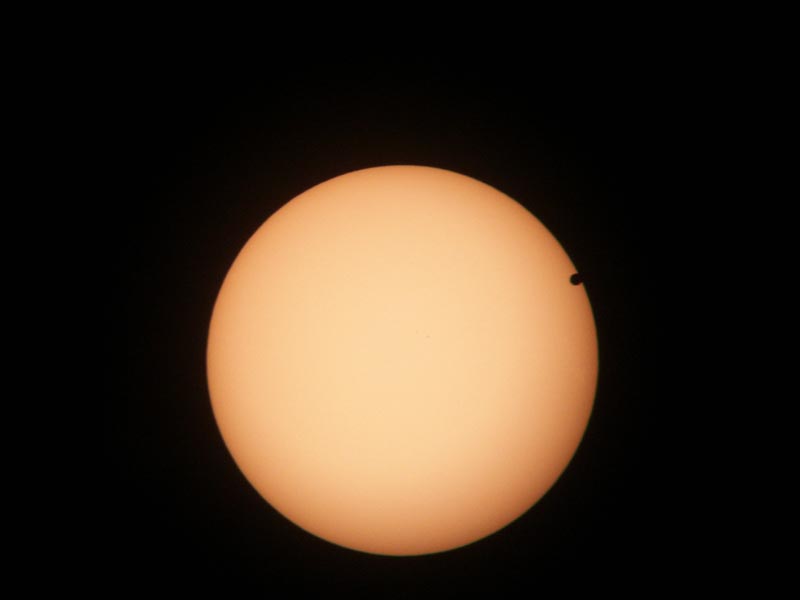
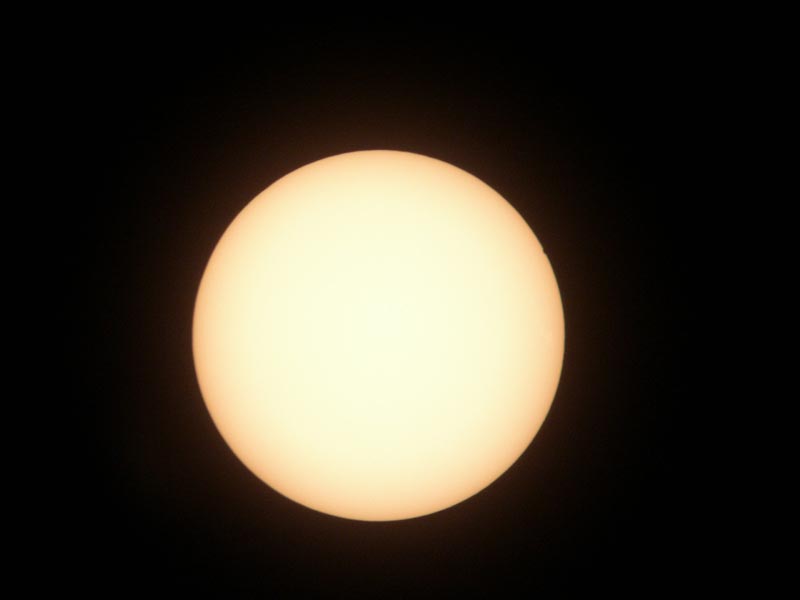
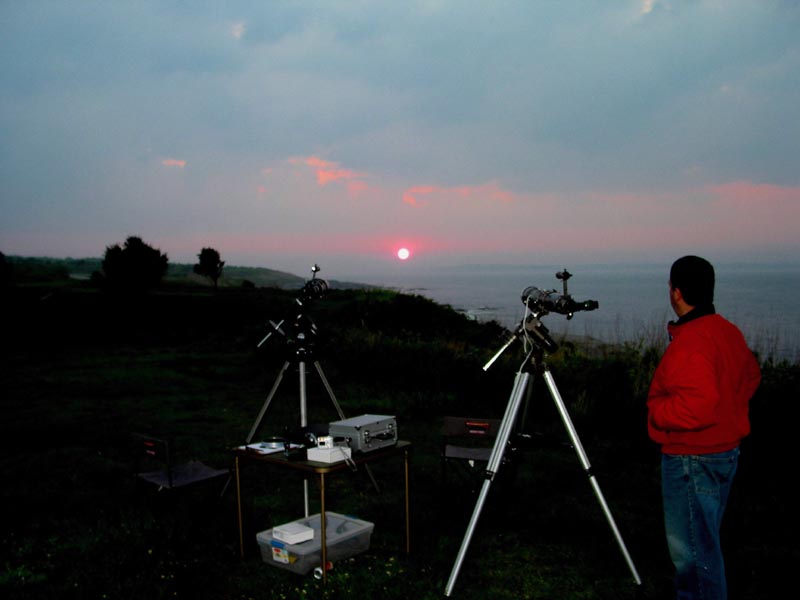
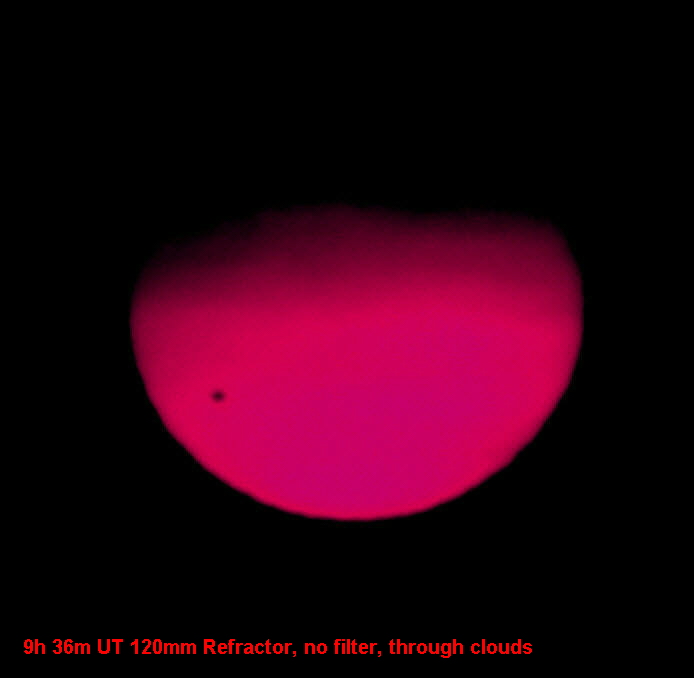
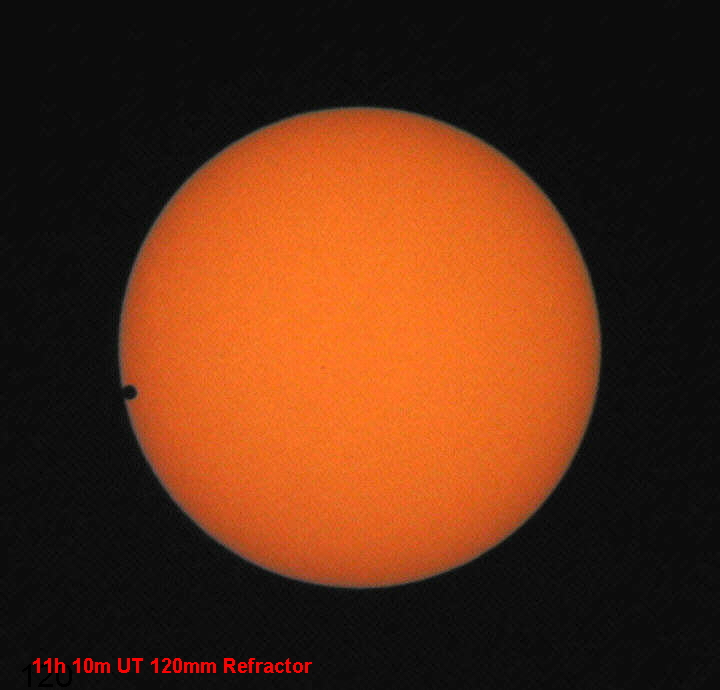
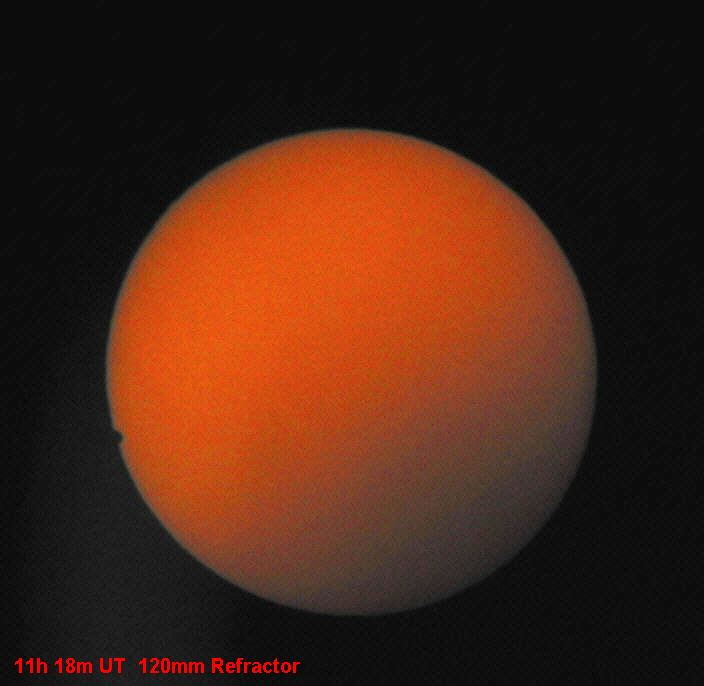
The most notable astronomical event of 2004 was the June 8th transit of Venus, the first in 122 years. Waking long before one of the earliest sunrises of the year, many members packed their equipment and headed for locations with an unobstructed east-northeastern horizon in order to see the sun rise. The transit was well underway at sunrise on the US East Coast, but there was still time to see 3rd and 4th contact.

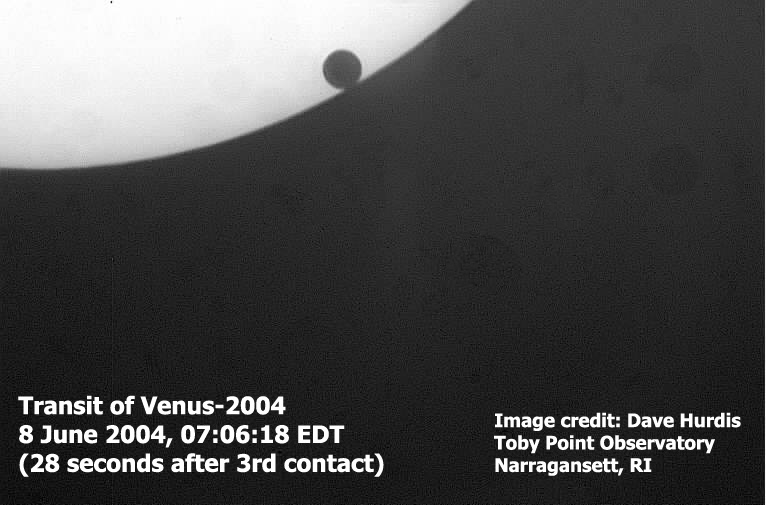
With groups of Skyscrapers at Beavertail, Point Judith, and Brown University, as well as some members observing from favorable locations at home, clouds hampered early views for those watching from the shores of Narragansett Bay. The clouds did clear in time for 3rd contact, during which time we waited to see if we could detect the fabled “black drop effect.” While no one technically saw what had been described during past transits as a black drop right at the point of 3rd contact, many simply referred to the point of 3rd contact--when the edge of the silhouetted disk of Venus broke the edge of the illuminated disk of the sun—as the black drop.
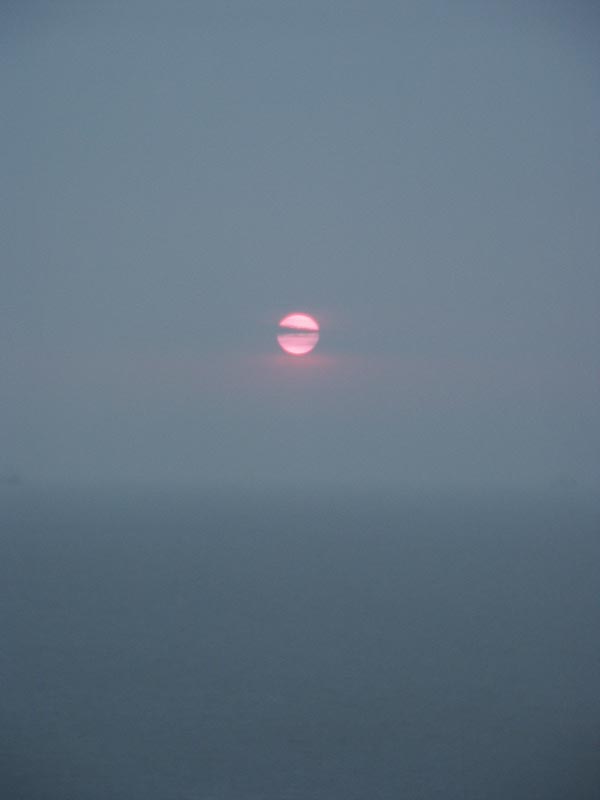
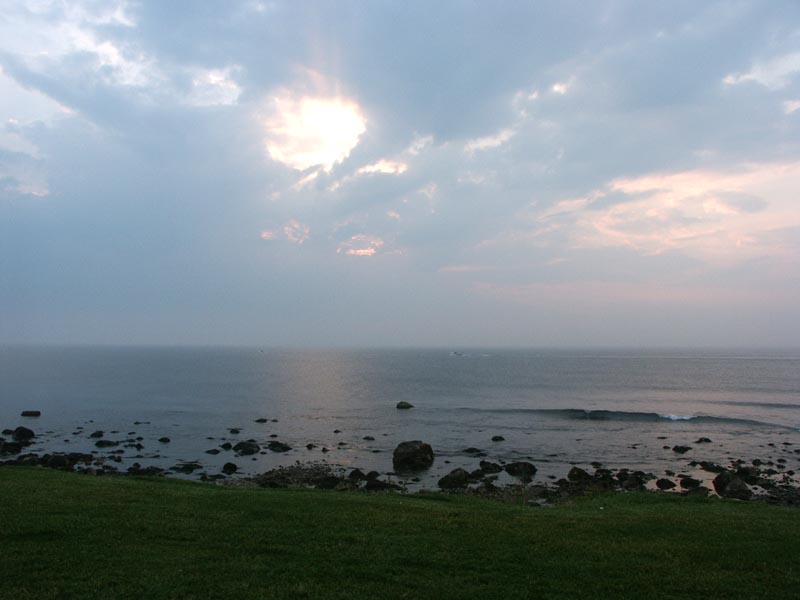
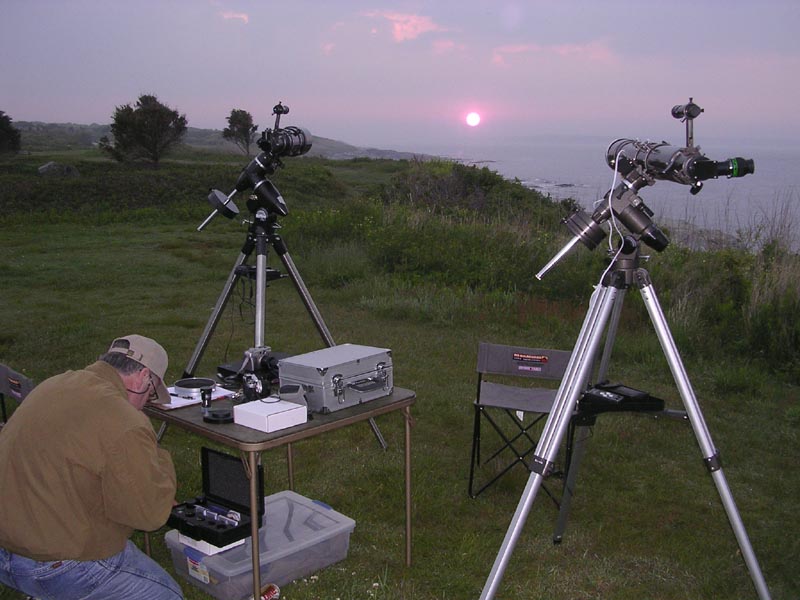
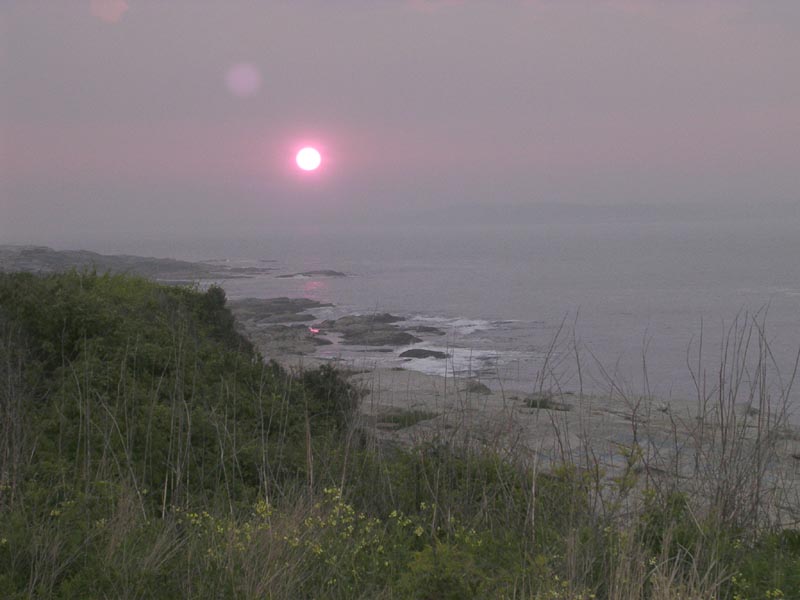
Sunrise over Point Judith.
1
Waiting for the clouds to break
2
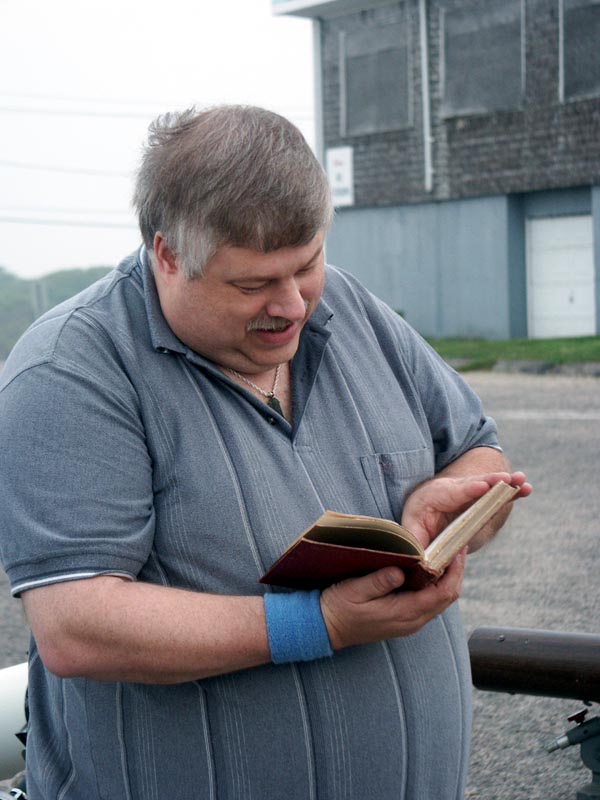
Dave Huestis symbolically reads excerpts from Richard Proctor's 1875 book Transits of Venus.
3
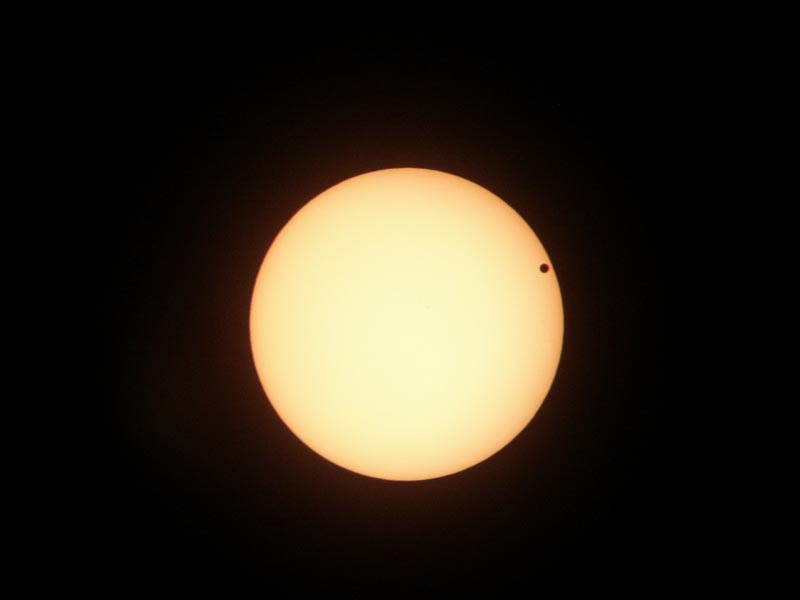
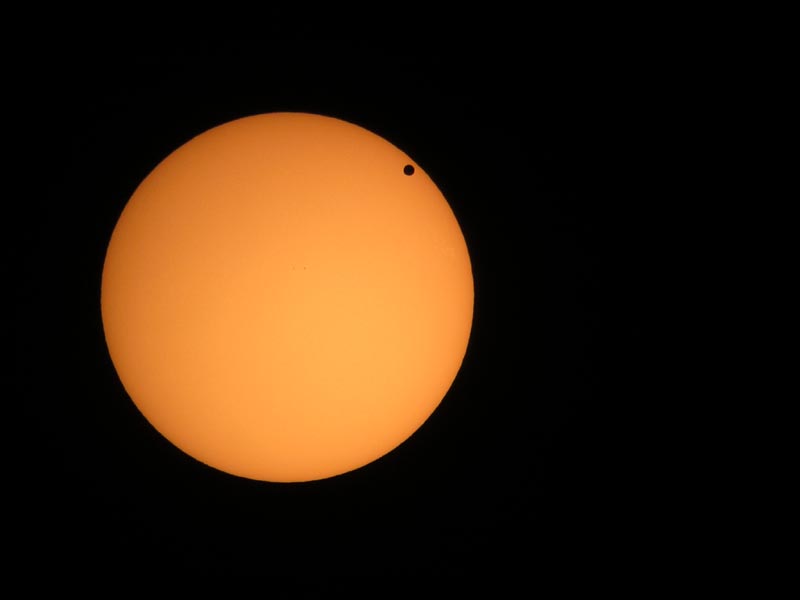
Just after the clouds break, Venus nears 3rd contact.
4
Just after the clouds break, Venus nears 3rd contact.
5
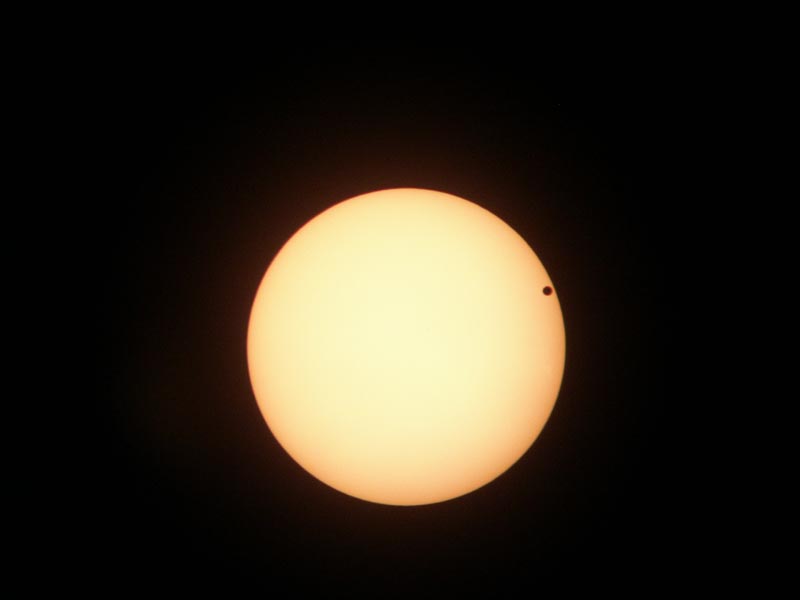
Just past 3rd contact
6
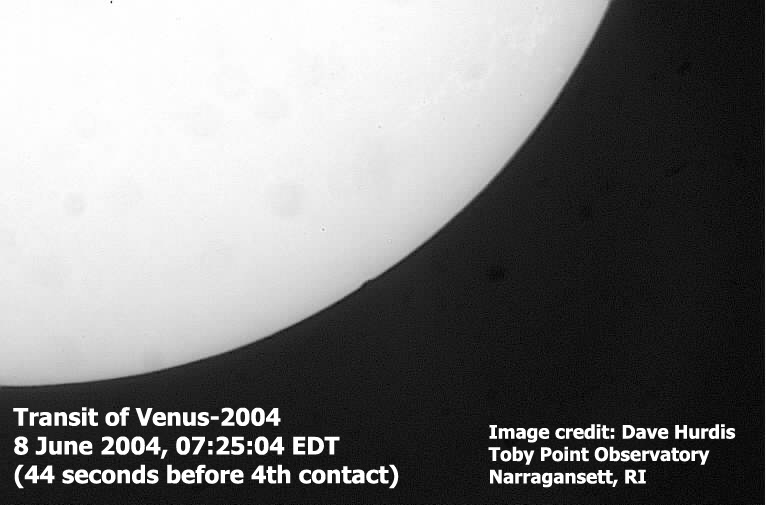
Nearing 4th contact.
7
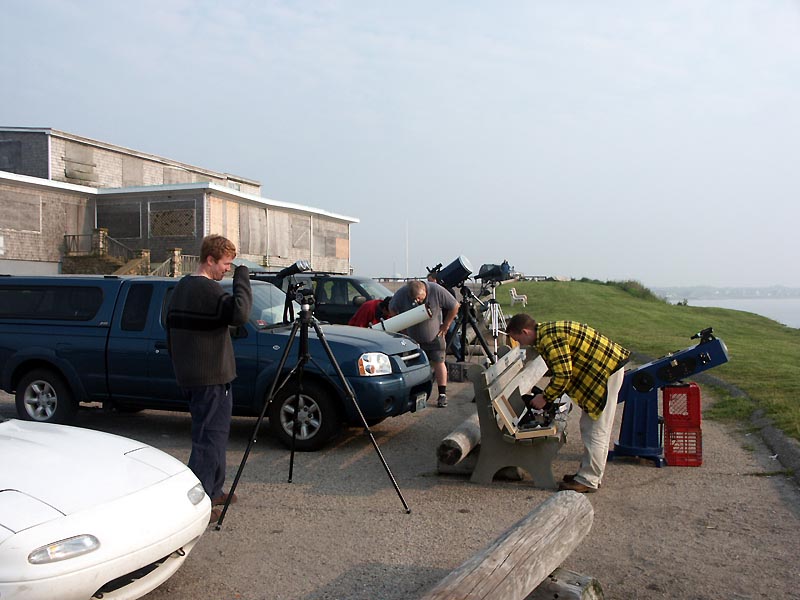
Pat Landers, Dave Huestis, and Ted Ferneza observing the transit.
8
Rick Lynch and Dan Lorraine observe the transit from Beavertail.
9
Sunrise over Beavertail.
10
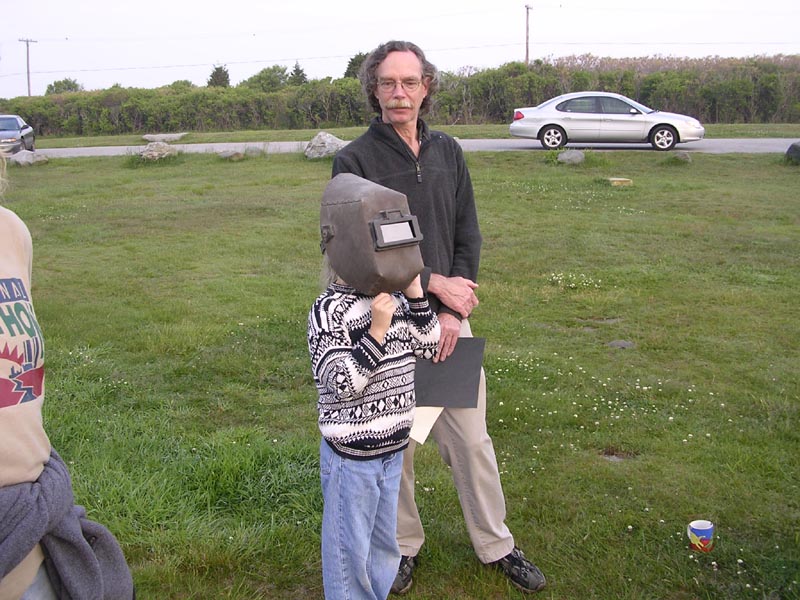
Carol and Vaughan Lee joined us with their two children during the transit.  Here Meryl tries on a welders helmet to view the transit.
11
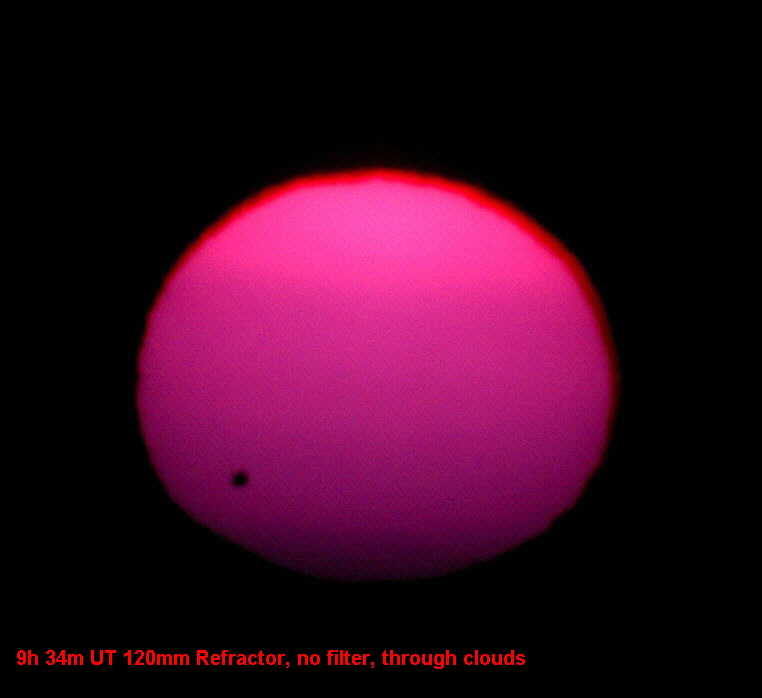
Transit in progress.
12
The
13
Dan Looraine viewing the sunrise at Beavertail.
14
Rhode Islands first glimplse of the transit from Beavertail.
15
Those of us observing from southern Rhode Island saw this as our last view of the transit for an hour and a half while the sun and Venus were behind clouds.
16
3rd contact and the
17
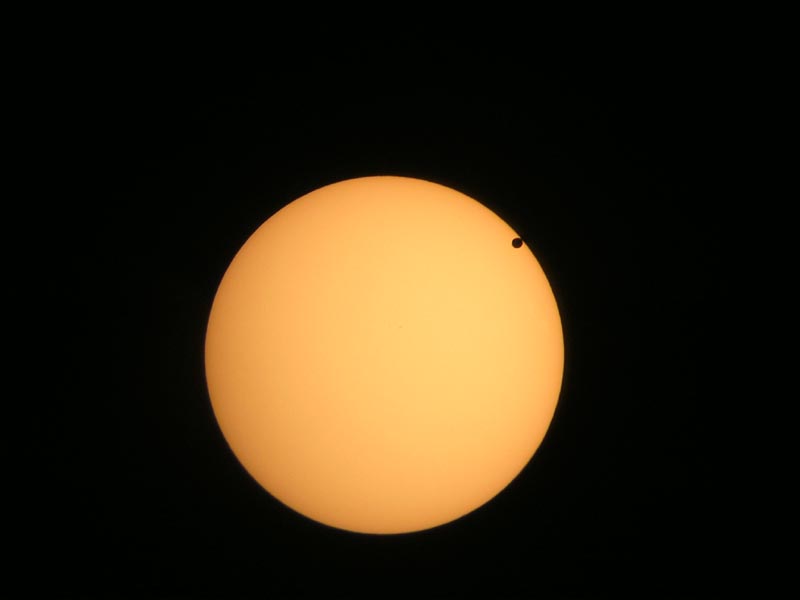
Between 3rd and 4th contact.
18
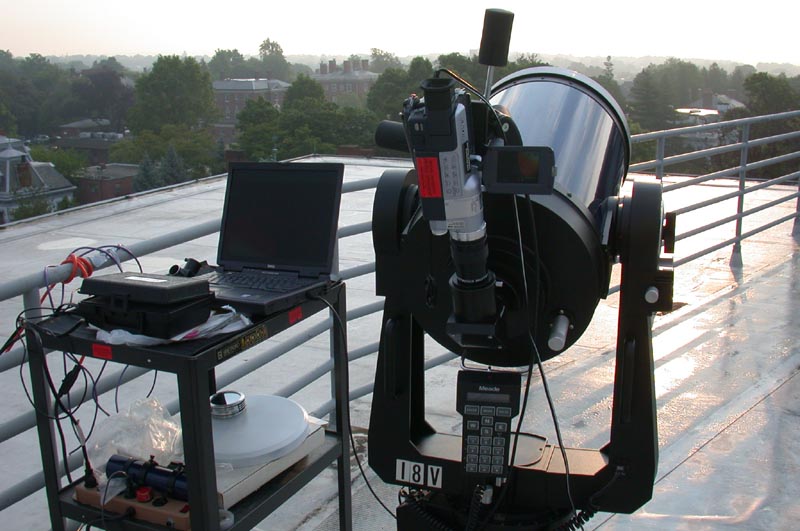
Meade telescope equipped with H-alpha filters for photographing the transit at Brown University.
19
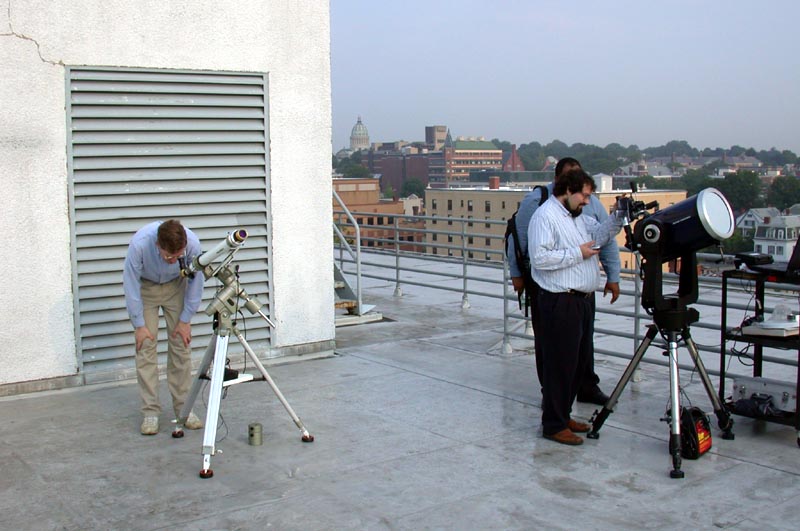
Observing the transit at Brown University.
20
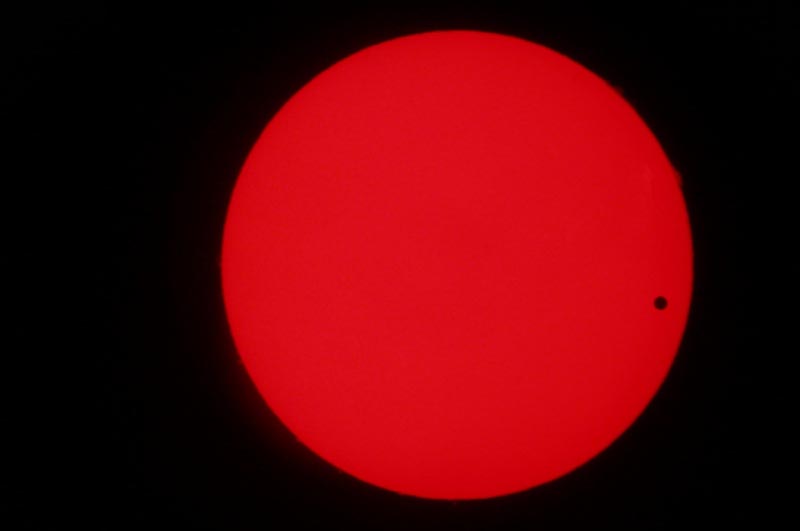
The transit of Venus in H-alpha
21
Venus between 3rd and 4th contact, photographed in H-alpha
22
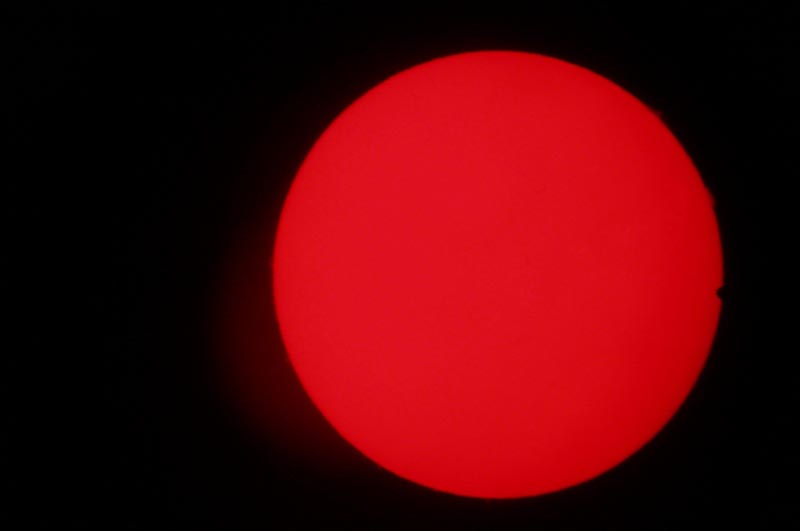
Just after 3rd contact.
23
Last stage of the transit, just before 4th contact.
24