Skip navigation

Presidents' Tour of Historical Astronomical and Literary Sites of Providence’s East Side

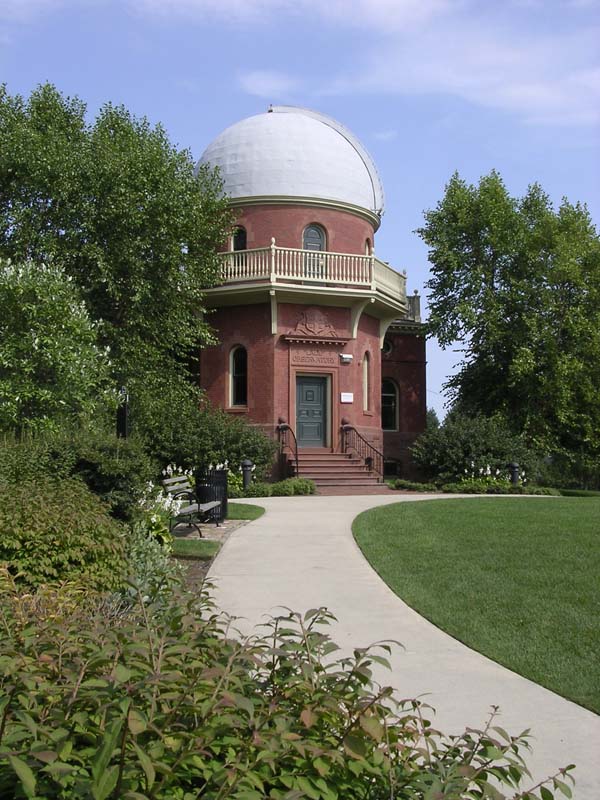
On the morning of August 20, 2005, several members joined President Dave Huestis and past President Dan Lorraine for a Presidents' Tour of Historical Astronomical and Literary Sites of Providence’s East Side.
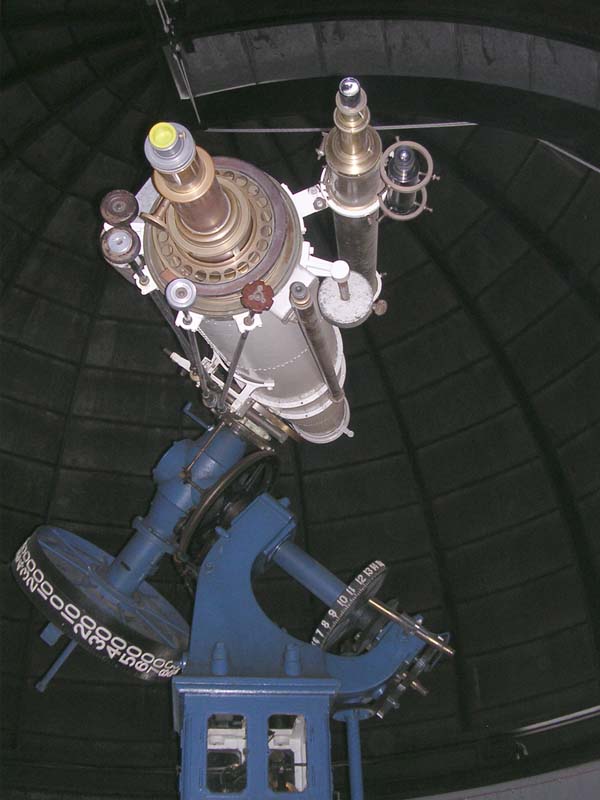
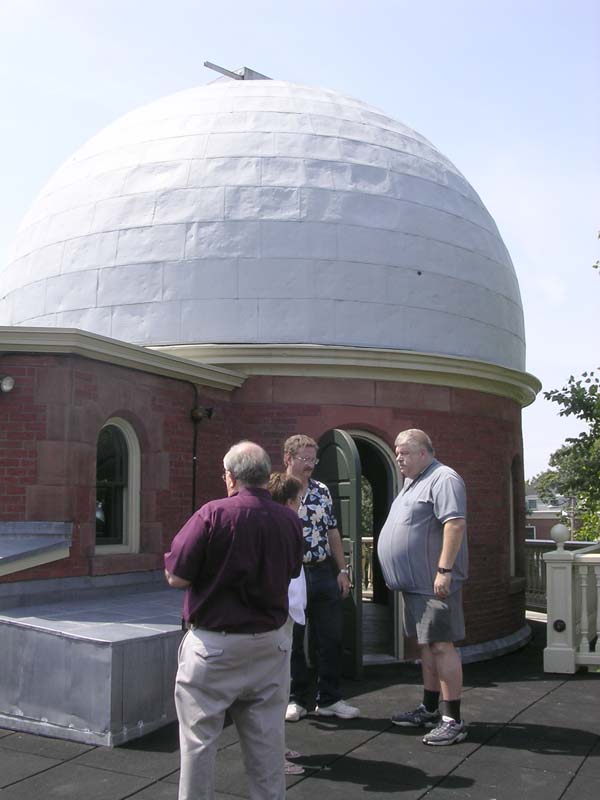
Brown University's Ladd Observatory, Providence Rhode Island.  Constructed in the late 1890's, it houses a 12
1
Skyscrapers members on the rooftop of Ladd Observatory.  Skyscrapers President Dave Huestis on the right.
2
The tail end of the 12
3
Skyscrapers starting out their tour of historic Providence near the site where the Brown's observed the transit of Venus in 1769.
4
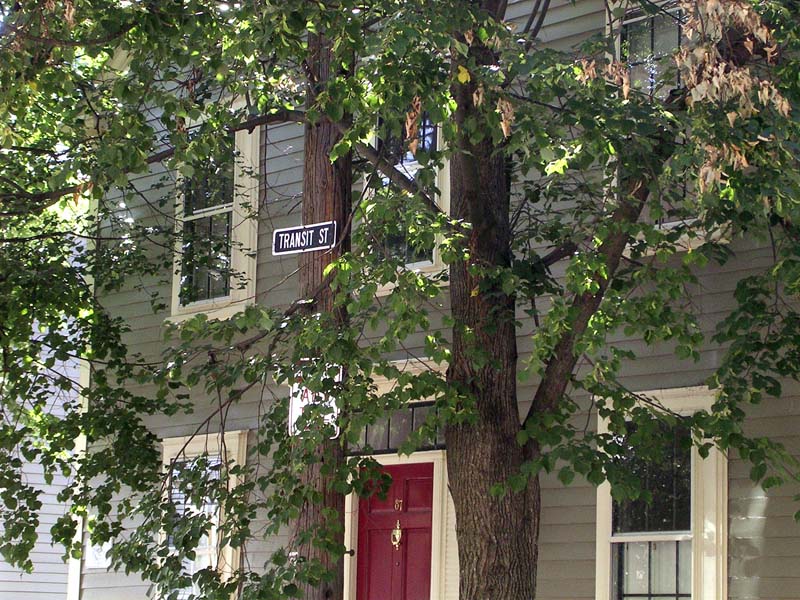
Transit Street
5
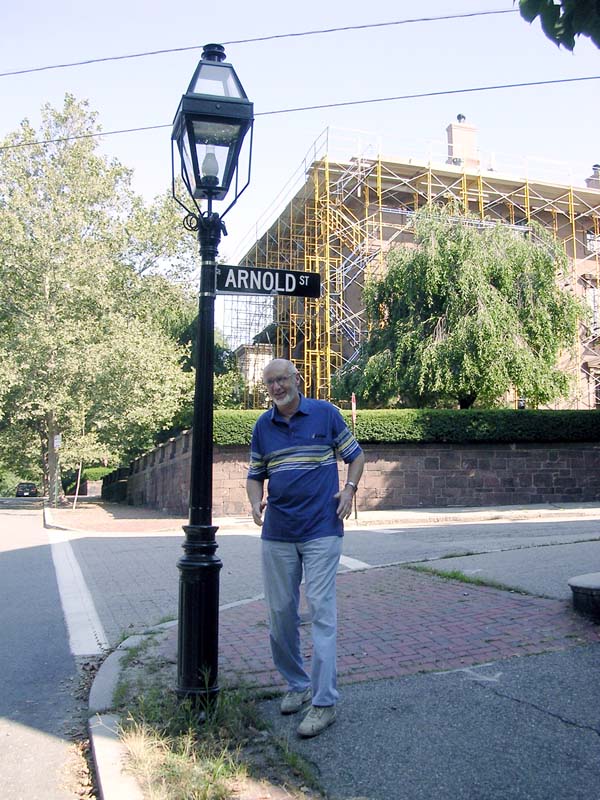
Trustee Rick Arnold under the Arnold Street sign
6
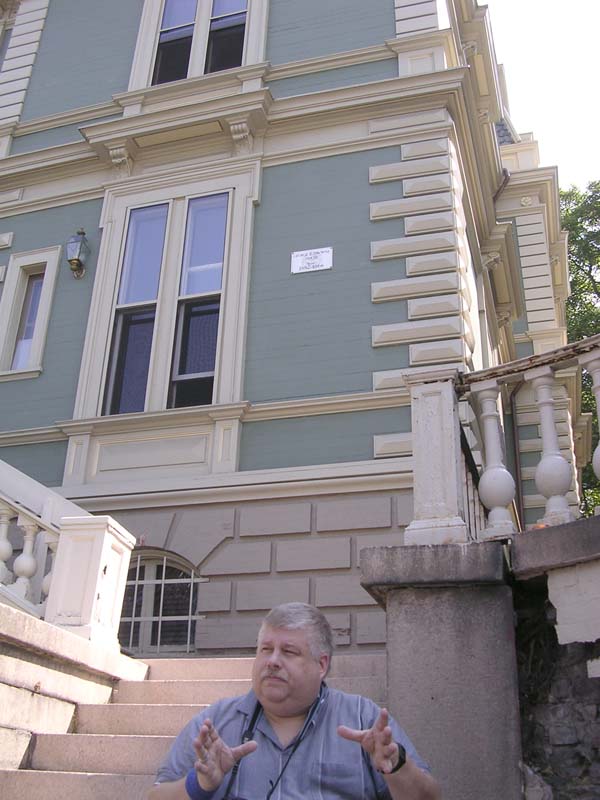
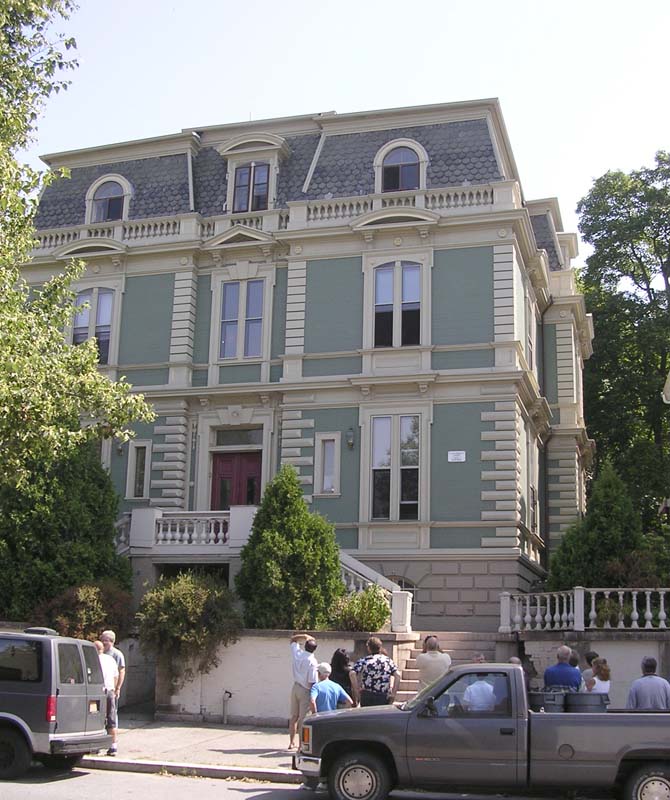
Frank Seagrave's house on Benefit Street.  The mansion has been subdivided into 8 condo units.
7
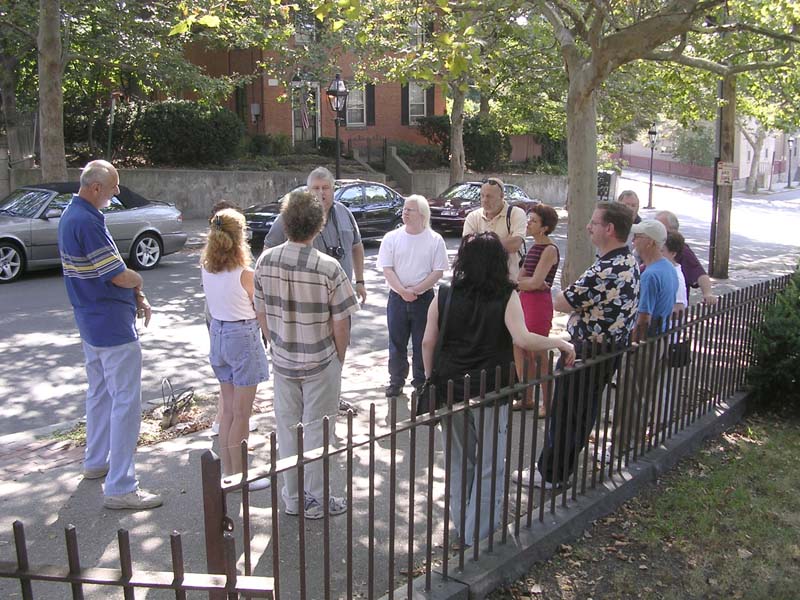
President Dave Huestis read from his extensive resources regarding Frank Seagrave in front of his home.
8
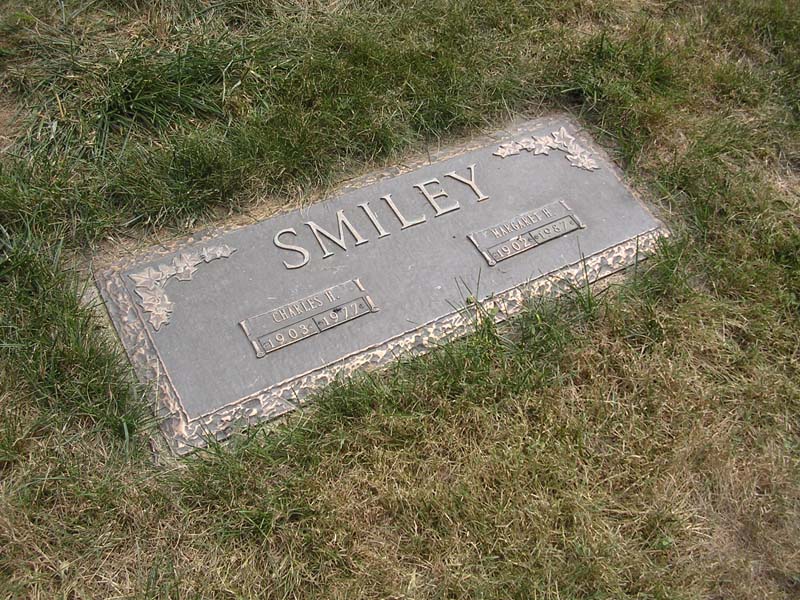
Final resting place in Swan Point Cemetary for Dr. Charles Smiley of Brown University, one of the founding fathers of Skyscrapers in 1932.
9
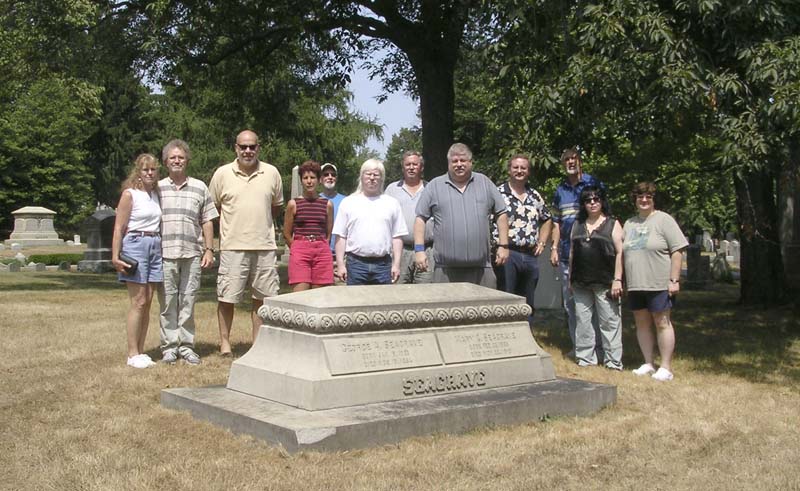
Skyscrapers members stand around the memorial for Frank Seagrave and his parents -- Swan Point Cemetery
10
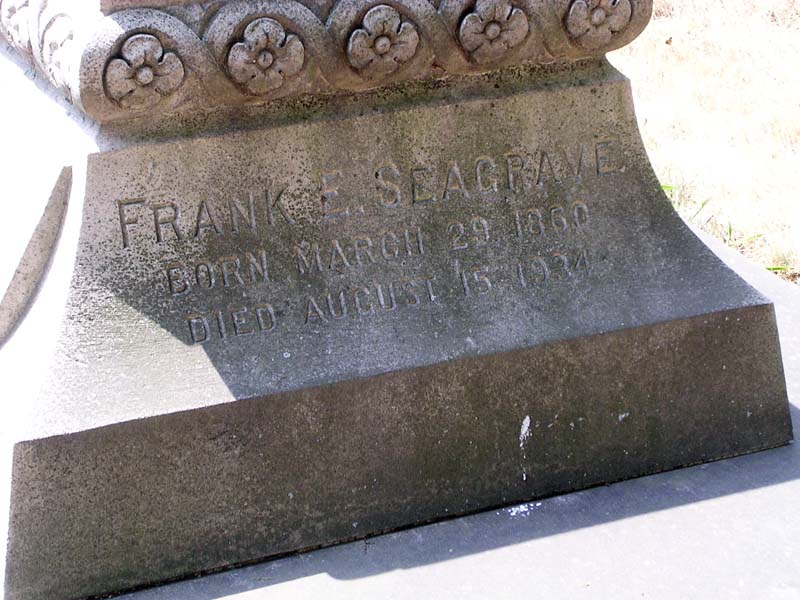
Frank Seagrave's tombstone
11
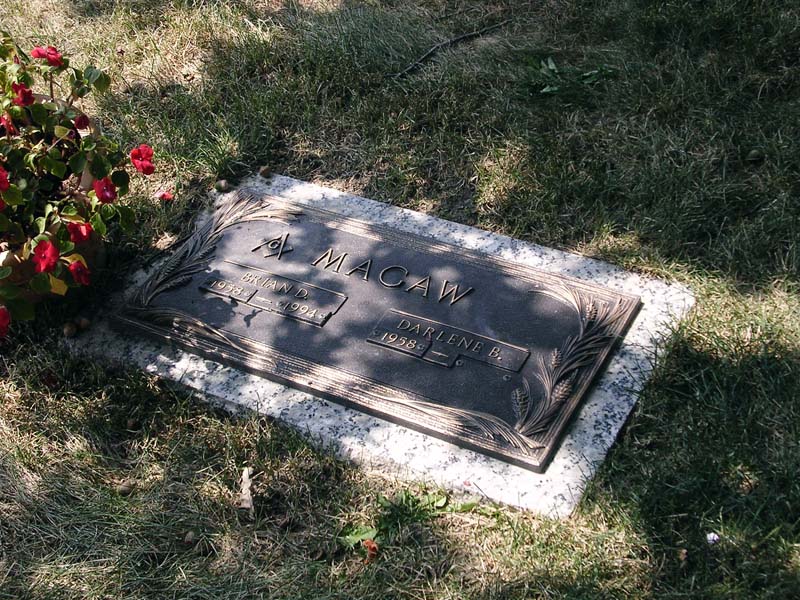
Past President Brian Magaw's final resting place at Swan Point Cemetery
12
“On October 9th I attended a meeting of the local organization of amateur astronomers – “The Skyscrapers”’ which function more or less under the auspices of Brown University – and was astonished at its degree of development.  Some of the members are really serious scientific observers, and the society has recently purchased a well known private observatory (that of the late F.E. Seagrave – whom Charles A. A. Parker once knew – with an 8” refracting telescope) in the western part of the state.  It has separate meteor, variable star, planet, etc. sections, which hold meetings of their own and report as units, and enjoys the use of the college observatory.  At the recent meeting there was address on early Rhode Island astronomy, and the reflecting telescope of Joseph Brown – used to observe the transit of Venus here on June 3, 1769 and owned by the college since 1780 – was exhibited.  Oddly enough this meeting proved a prelude to another wholly unrelated revival of my old astronomical interests.  Down in DeLand, my friend Charles B. Johnston has become connected with Stetson University and its astronomical society, and has asked me for a series of elementary articles on the heavens for the local paper.  I had an old series – published twenty two years ago – which seemed about the right sort; but when I got them out, their obsoleteness completely bowled me over.  The progress of science in the last twenty or thirty years had left me utterly behind, and I saw that I had to do a helluva lot of brushing up if I ever expected to bridge the last decades and give the ancient articles an intelligent revision to date.  Well, I decided to try, hence began an intermittent reading course with which I’m still busy.  Our public library has some excellent new books on the subject – the textbook by J.C. Duncan and the layman’s manuals by Bartky and Stokeley being the best short cuts for the non-mathematical amateur.  Curious how one’s early interests crop up again in one’s sunset years.”

H.P. Lovecraft
Unfinished letter to James Morton
March 1937
13
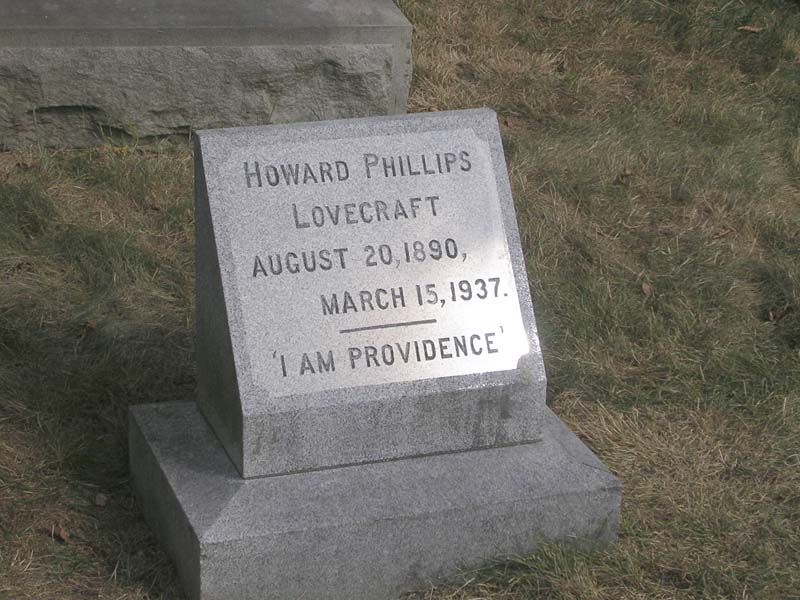
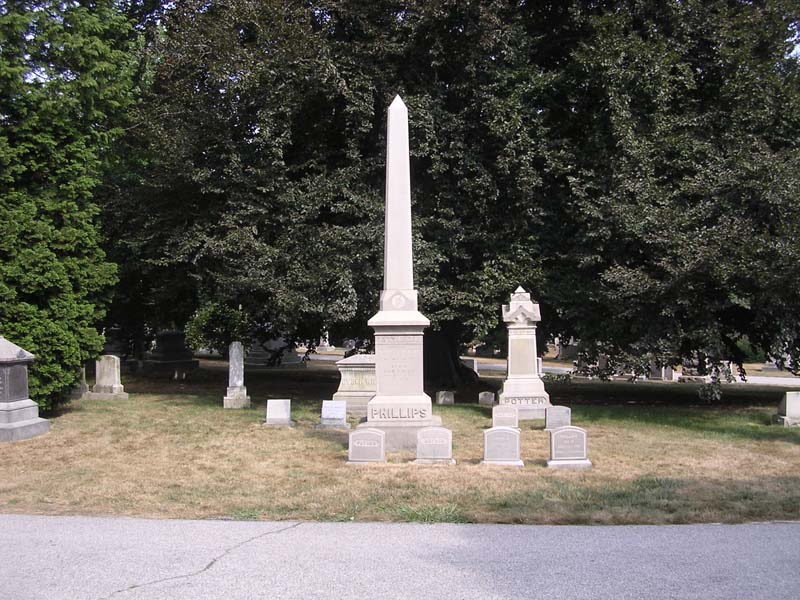
Family plot for Providence author H.P. Lovecraft in Swan Point Cemetery
Lovecraft, H(oward) P(hillips) (1890-1937), American writer of fantasy and horror, whose tales are often compared favorably with those of Edgar Allan Poe. 

Born in Providence, Rhode Island, August 20, 1890, Lovecraft was a sickly, precocious child whose parents died insane. At the age of 16 he was writing an astronomy column for the Providence Tribune. From 1908 until 1923 he eked out a livelihood from occasional stories in little magazines such as Weird Tales. His stories never earned him much, however, and he died in Providence, on March 15, 1937, in poverty and obscurity. About a decade later, his work began to receive serious attention. His tales tell of ghoul changelings, psychic possession, unspeakable evil, and mythical worlds in which time and space are dislocated, as in his Cthulhu Mythos stories. His work had considerable influence on fantasy and science fiction writers, and a cult developed. The stories were collected in several posthumous volumes, including The Outsider and Others (1939) and Haunter of the Dark and Other Tales (1951).  Today Lovecraft's work also receives alot of serious attention by the academic community.
14
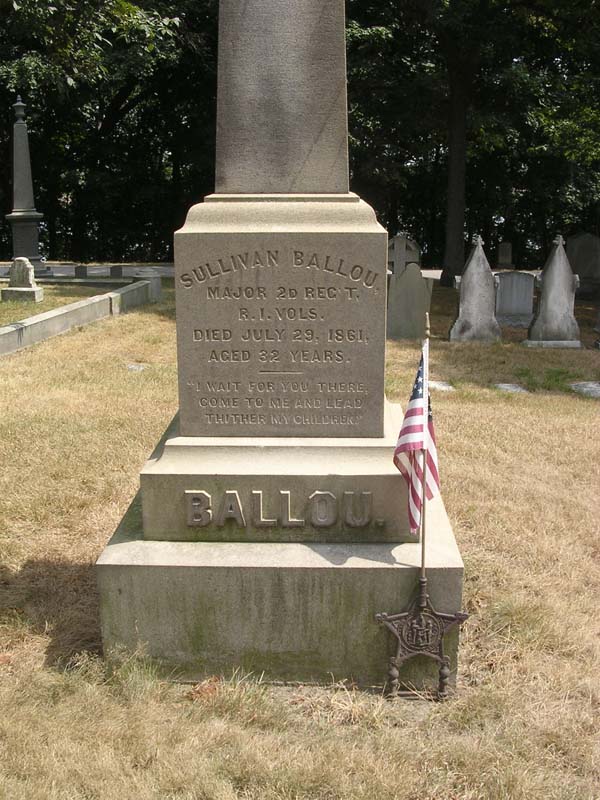
A letter from Sullivan Ballou to his wife Sarah
15
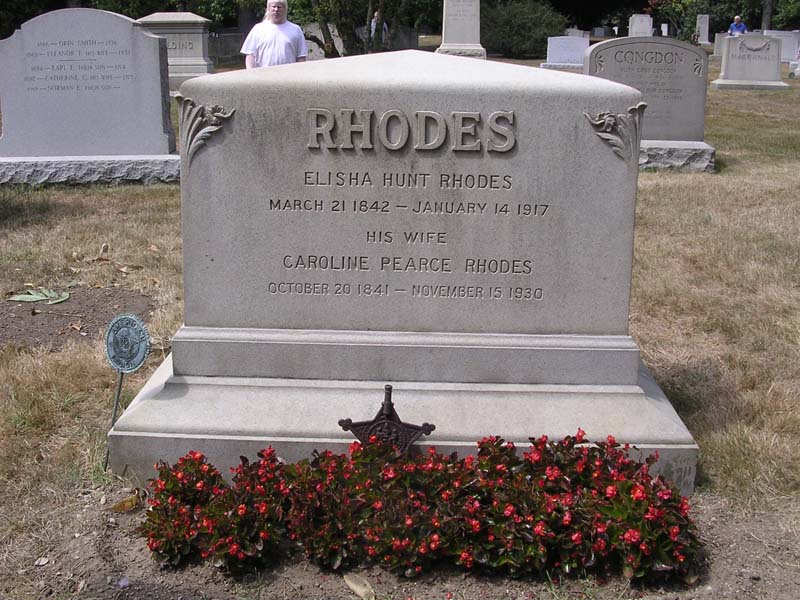
Just 19 when he joined the Rhode Island volunteers in 1861, Elisha Hunt Rhodes had little idea of what to expect from the war or the Union army. His diary of the war years provides candid, fascinating impressions of the slaughter and tragedy he encountered. Rhodes outlived most of his fellow soldiers--long enough, in fact, to witness the
16
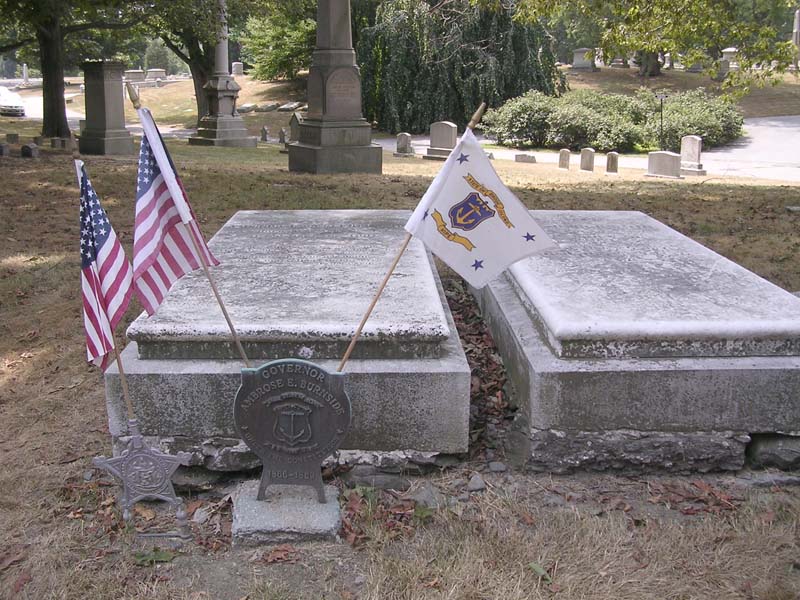
Ambrose Burnside's roller-coaster military career included early Civil War successes, promotion to major general, a bloody draw at Antietam, and selection as general of all Union armies, succeeding his friend George McClellan. But two spectacular failures--the
17