Skip navigation

Yerkes Observatory Photo Essay

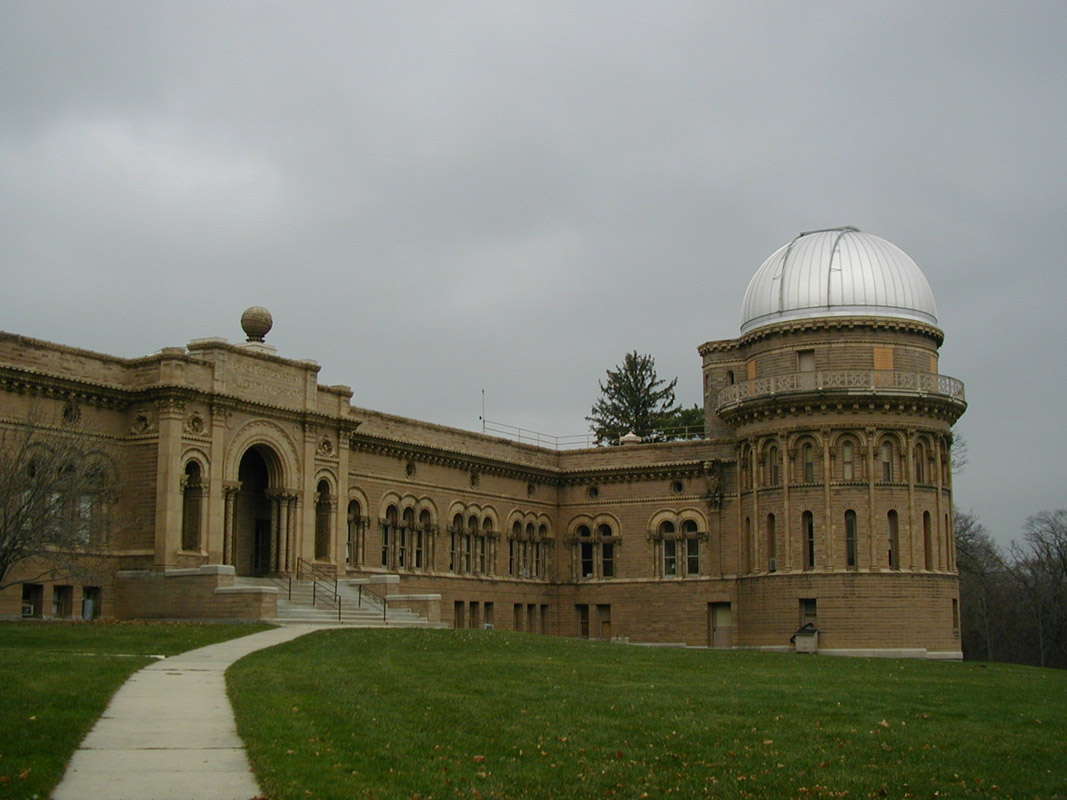
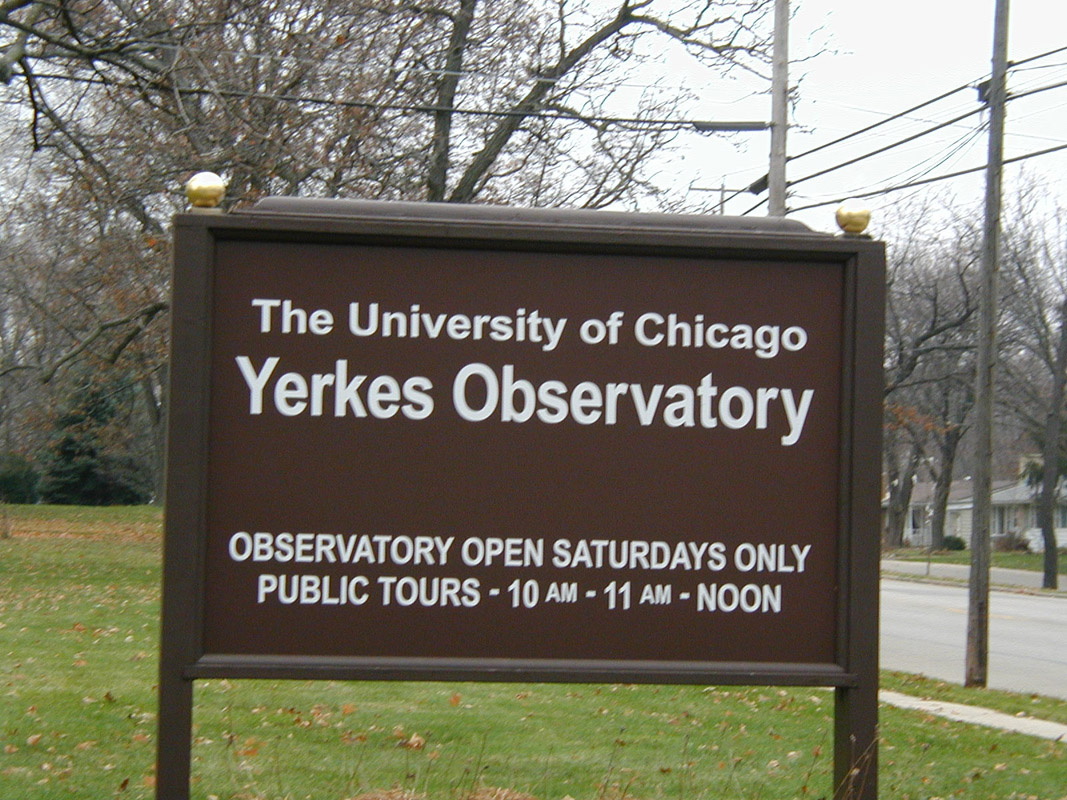
In late 2006 Glenn Jackson visited Yerkes Observatory in Chicago.
Yerkes 41” Observatory is under going a transition from research to educational outreach, School children, deaf students, and blind students are being introduced to astronomy.  1892-2006
1
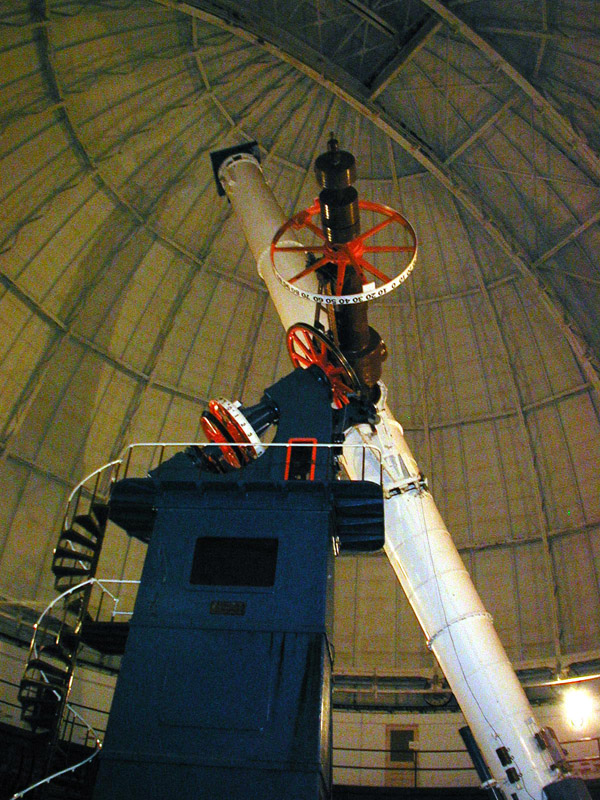
Yerkes 41” refractor with Alvin Clark lenses.  The largest refractor in the world.
2
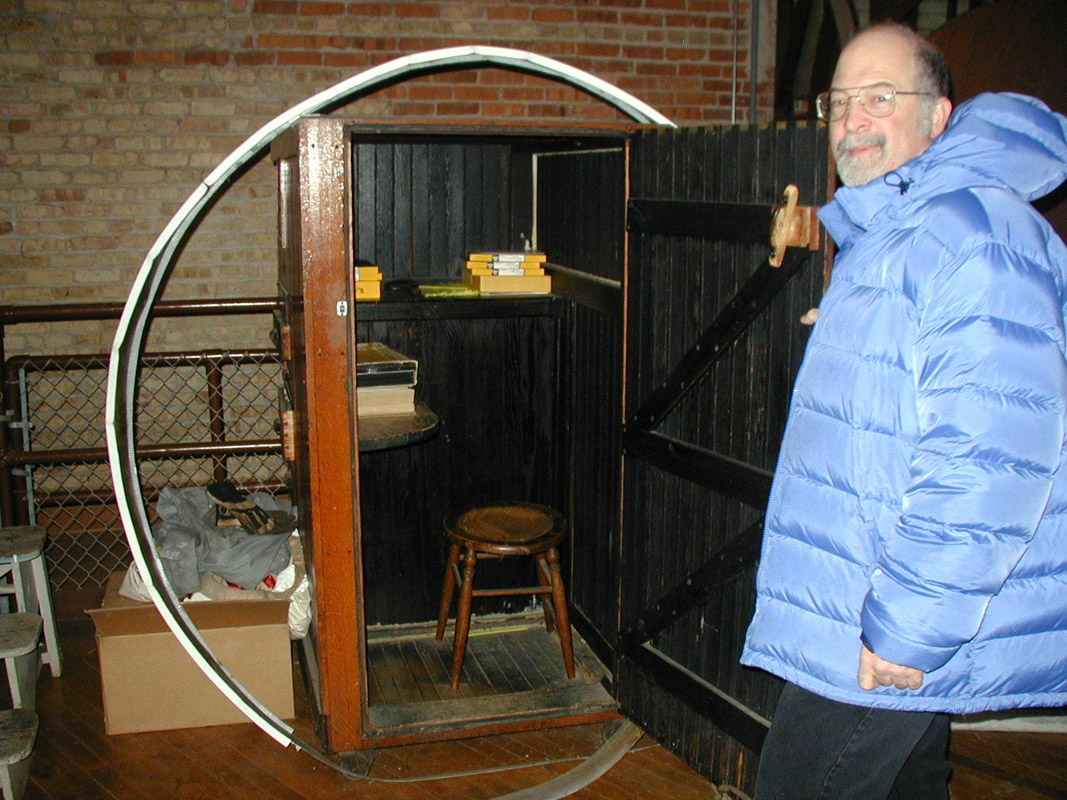
Richard Dreiser of Yerkes looks inside of the photo plate changing cabinet.
3
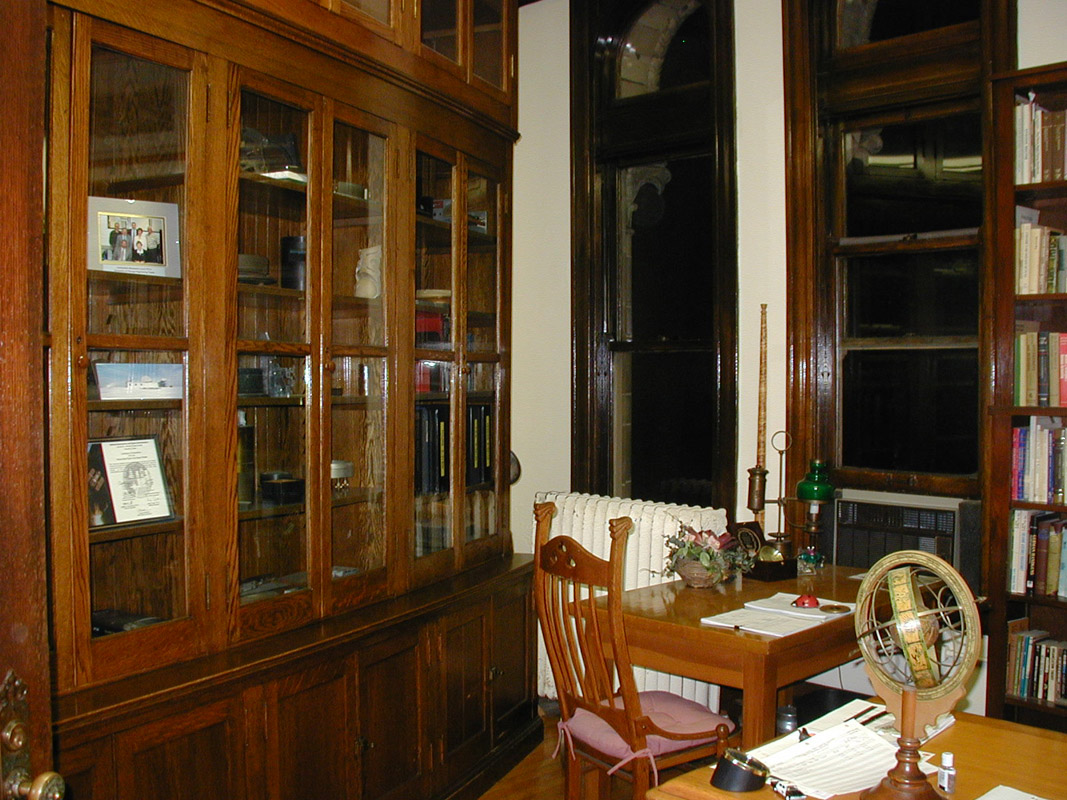
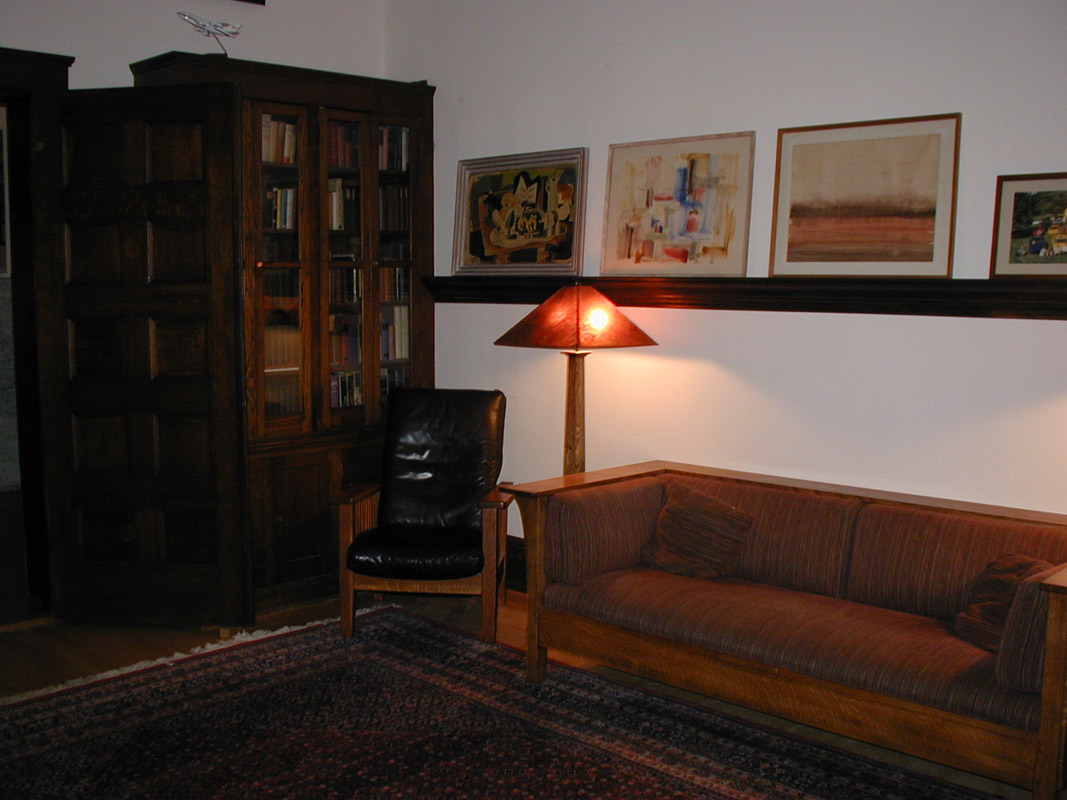
Room dedicated to the memory of Wm Morgan.  Morgan, working at Yerkes definitely proved that the Milky Way Galaxy had spiral arms.  1906-1994
4
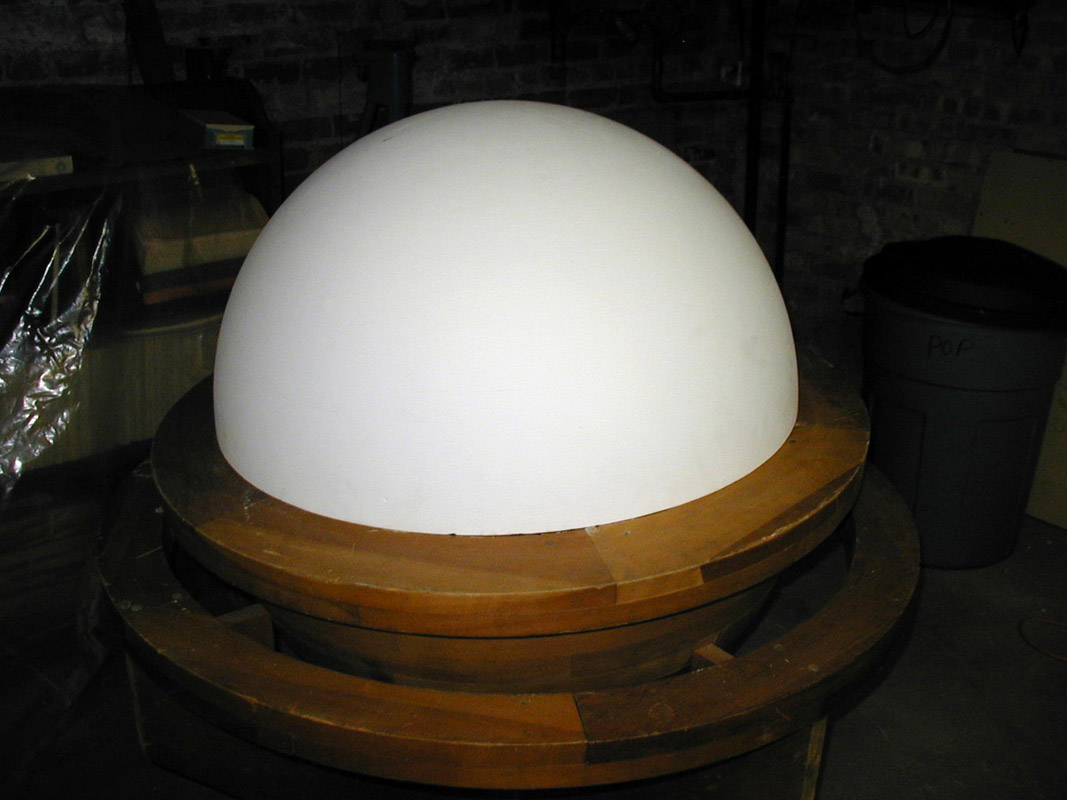
Moon globe where individual plates of moon objects were projected onto the globe for a “Consolidated Moon Atlas” by Gerard Kuiper
5
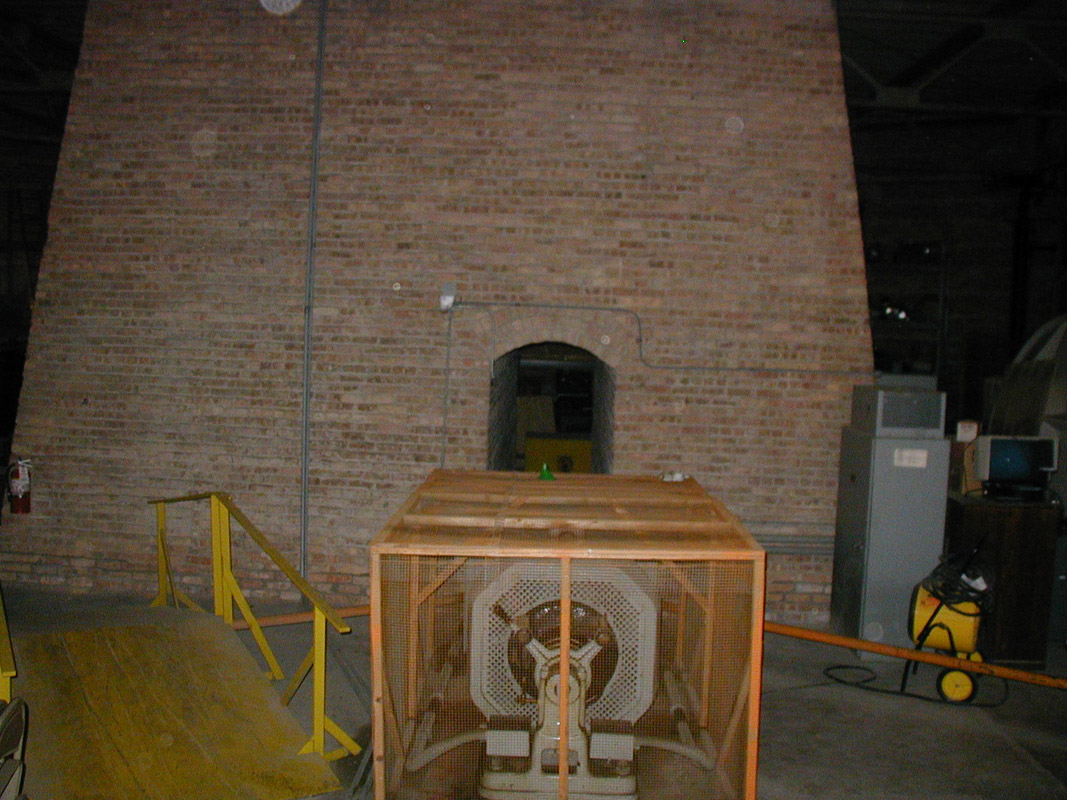
Base of the Yerkes 41” telescope.  The opening was designated a “Bomb Shelter” and stocked with food and water during the Cold War.
6
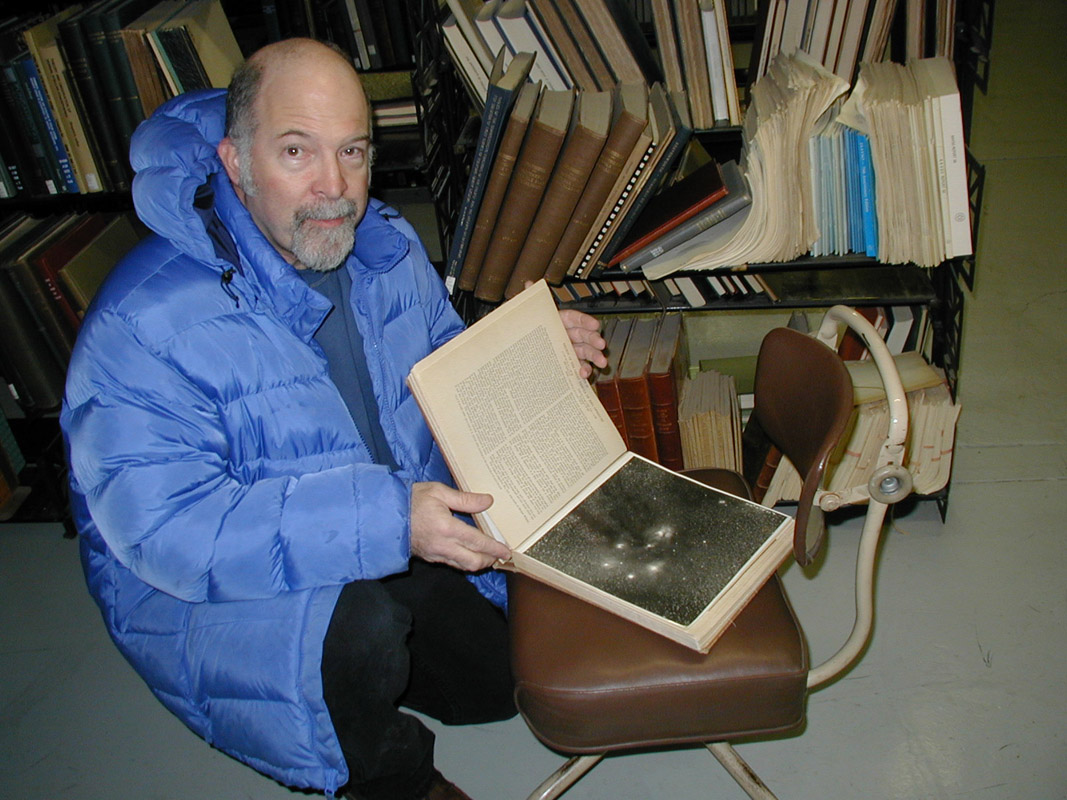
The Yerkes Library has many original early astronomy related books.  Rich hold an original copy of Barnard’s Atlas of Selected Regions of the Milky Way. Original version had actual photo’s glued into the book.
7
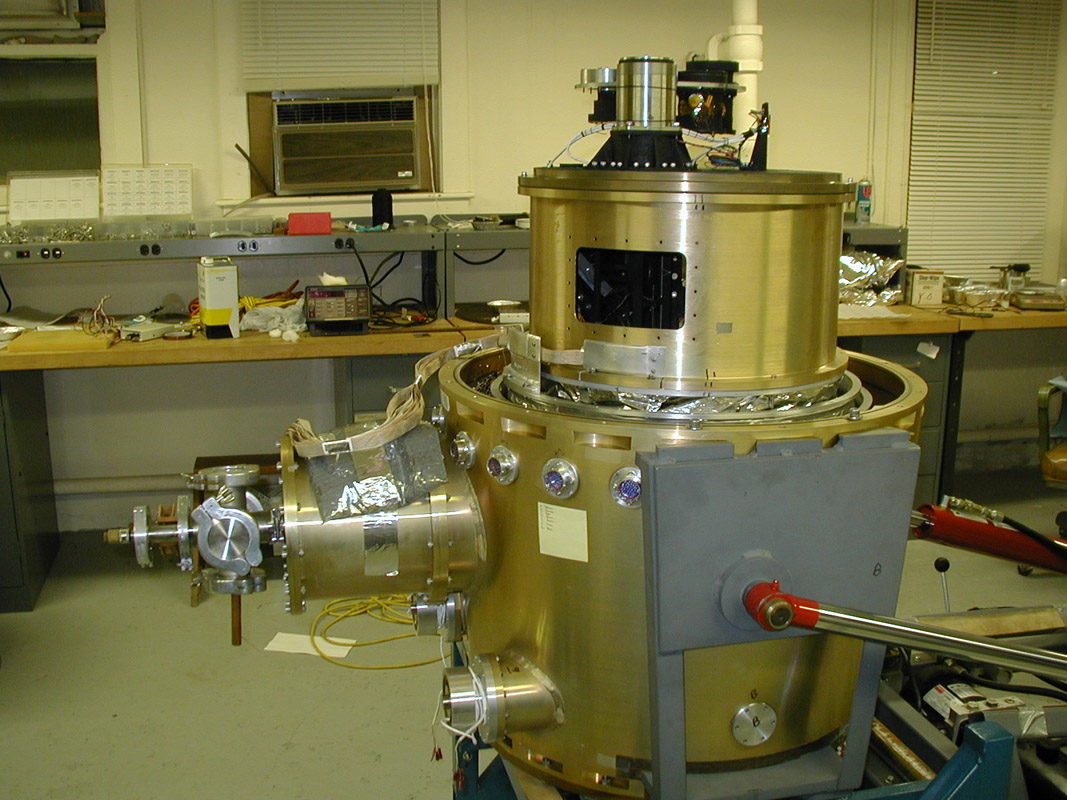
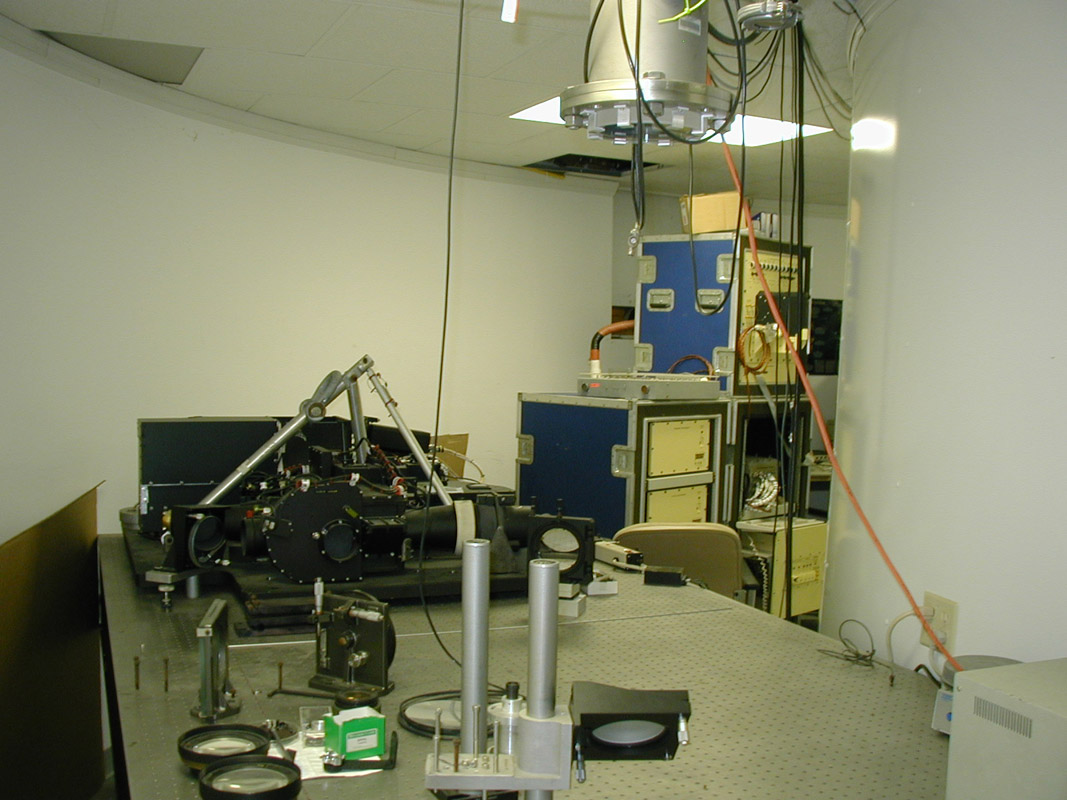
What ever happened to “Star Wars”?  It’s in the basement of Yerkes.  Adaptive mirror assembly on left was to be hoisted into the shuttle.  Computer support is in background.
8
Also being constructed in the basement at Yerkes is H.A.W.C.  A 2.7 meter infra-red High resolution Airborne  Wide band Camera, which is being built by the University of Chicago. The HAWC will fly on the NASA   S.O.F.I.A. 747 upon completion.
9
Chandra won the 1983 Nobel Prize for Physics.  “Chandraekhar Limit”  “stars with mass greater than 1.4 X Sun will collapse past the stage of white dwarf ….Black Holes”
10
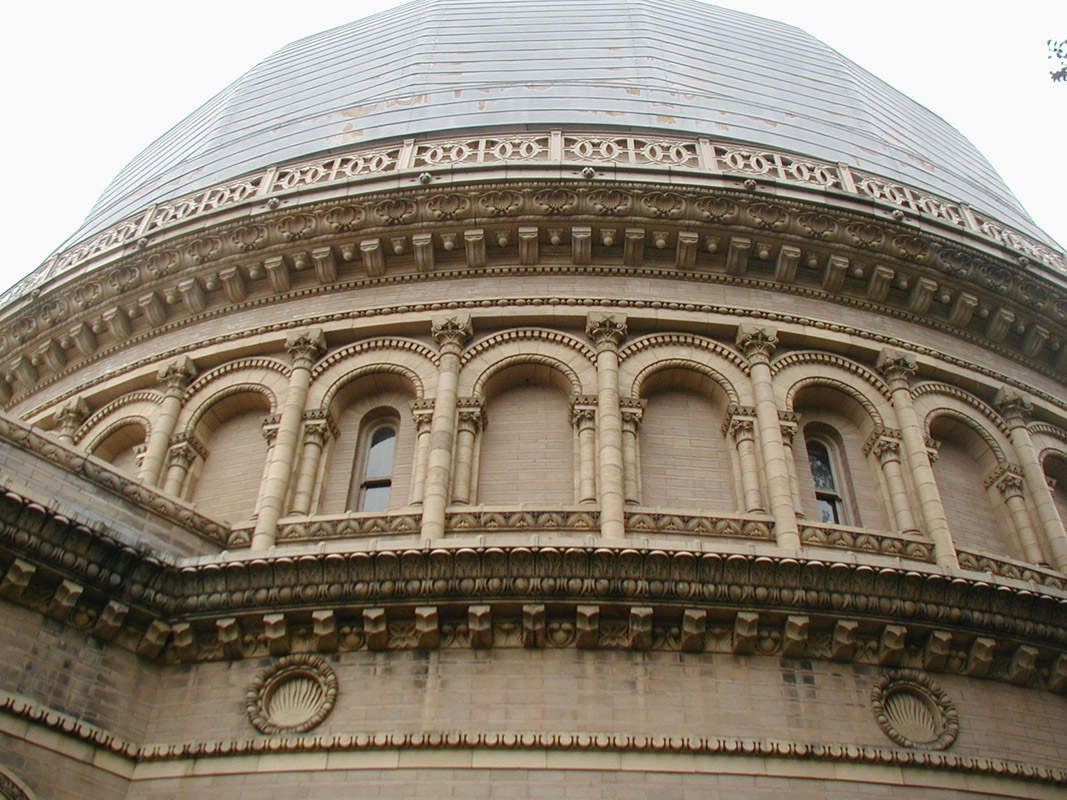
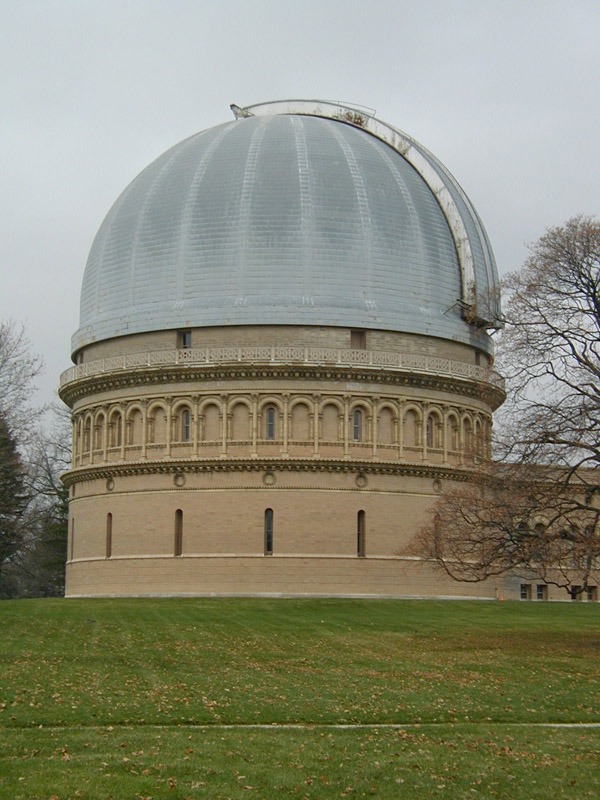
The building and its contents constitute a fascinating example of the architecture and technological accomplishments of the late 19th century.
11
Edward E. Barnard  photographic atlas of the Milky Way is a classic work. 
Sherburne W. Burnham  measured orbits of stars around each other.
Otto Struve made major contributions in the field of stellar spectroscopy. 
Bengt Stromgren added greatly to our understanding of interstellar gas clouds
Gerard Kuiper discovered carbon dioxide in the atmosphere of Mars; he also discovered the fifth moon of Uranus, and the second moon of Neptune. 
W. Albert Hiltner discovered that interstellar dust particles cause a slight polarization of starlight.
Subrahmanyan Chandrasekhar,
12
Yerke’s Observatory financed by Charles Yerke who made his fortune in financing Chicago’s Electric Rail System.  He bought into the idea that he would be remembered for all times for building the “The Largest Telescope In The World”
13