Observe With Us

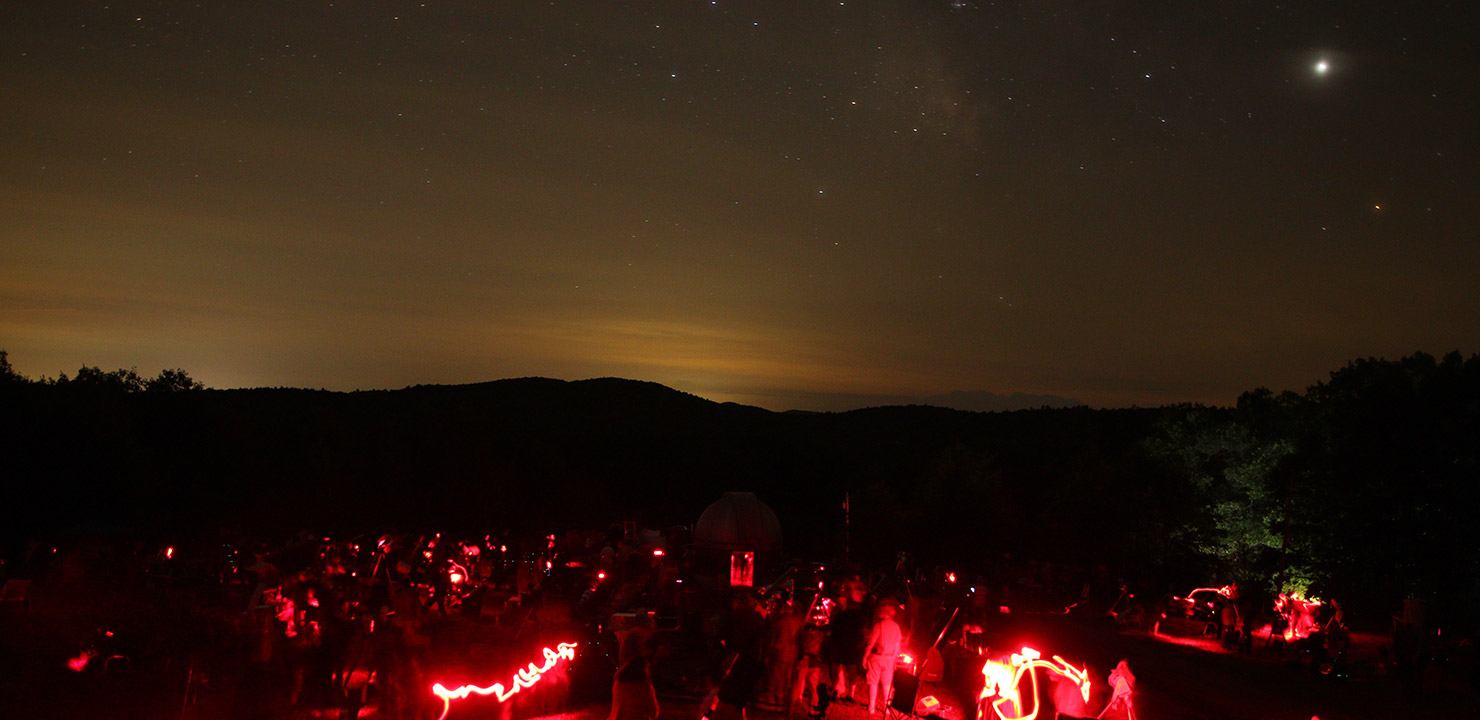
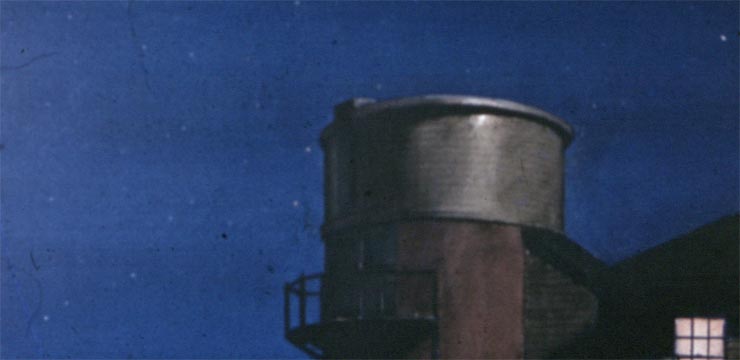
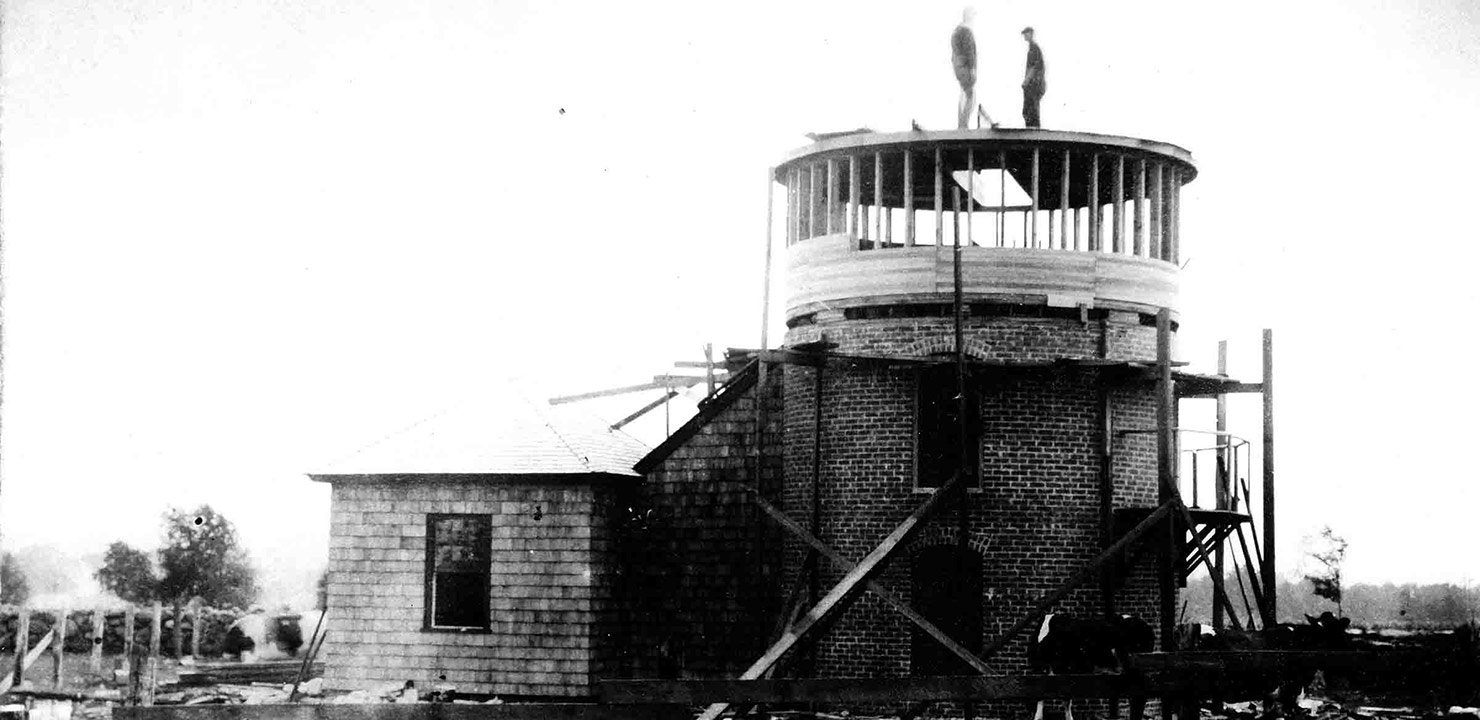
Seagrave Memorial Observatory

Details...

Attend a Meeting

Seagrave Memorial Observatory

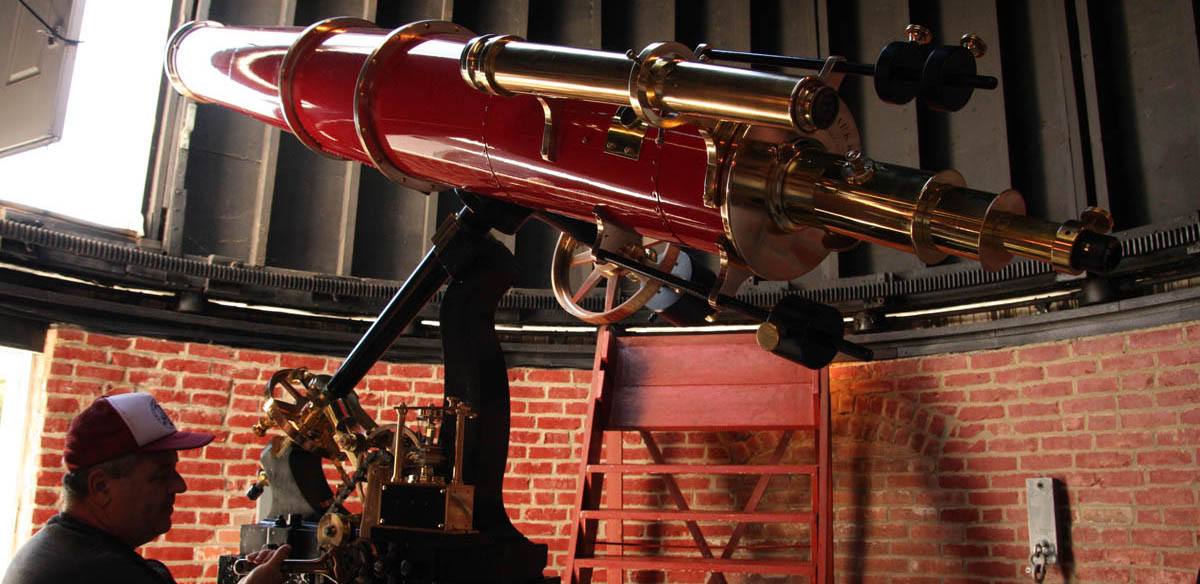
David Gow: "Restoration of the George N. Saegmuller Telescope Clock Drive at The Ladd Observatory"

Details...

AstroAssembly

See photos from our 60th anniversary AstroAssembly

Details...

Current Features

M104: The Sombrero Galaxy

M104: The Sombrero Galaxy

: By Glenn Chaple
One of the more noteworthy examples of an edge-on spiral galaxy bisected by a dark dust lane is M104, the Sombrero Galaxy. The nick-name arises from the galaxy’s resemblance to the traditional Mexican headwear, the bright nuclear bulge forming the hat and the spiral arms/dust lane the wide brim.

May's "Meteor-ocre" Shower

: By Dave Huestis
The May Eta Aquarid meteor shower is one of the best displays of shooting stars during the year. Unfortunately not here in the northern hemisphere.
M101: Spiral Galaxy in Ursa Major

M101: Spiral Galaxy in Ursa Major

: By Glenn Chaple
One of the best examples of a star-hop is the one that takes us from Mizar (the middle star in the Handle of the Big Dipper) to the face-on spiral galaxy M101. It’s a fortuitous situation because, were it isolated, M101 might be one of the more difficult Messier objects to locate.
University of Rhode Island Planetarium

University of Rhode Island Planetarium

: By Francine Jackson
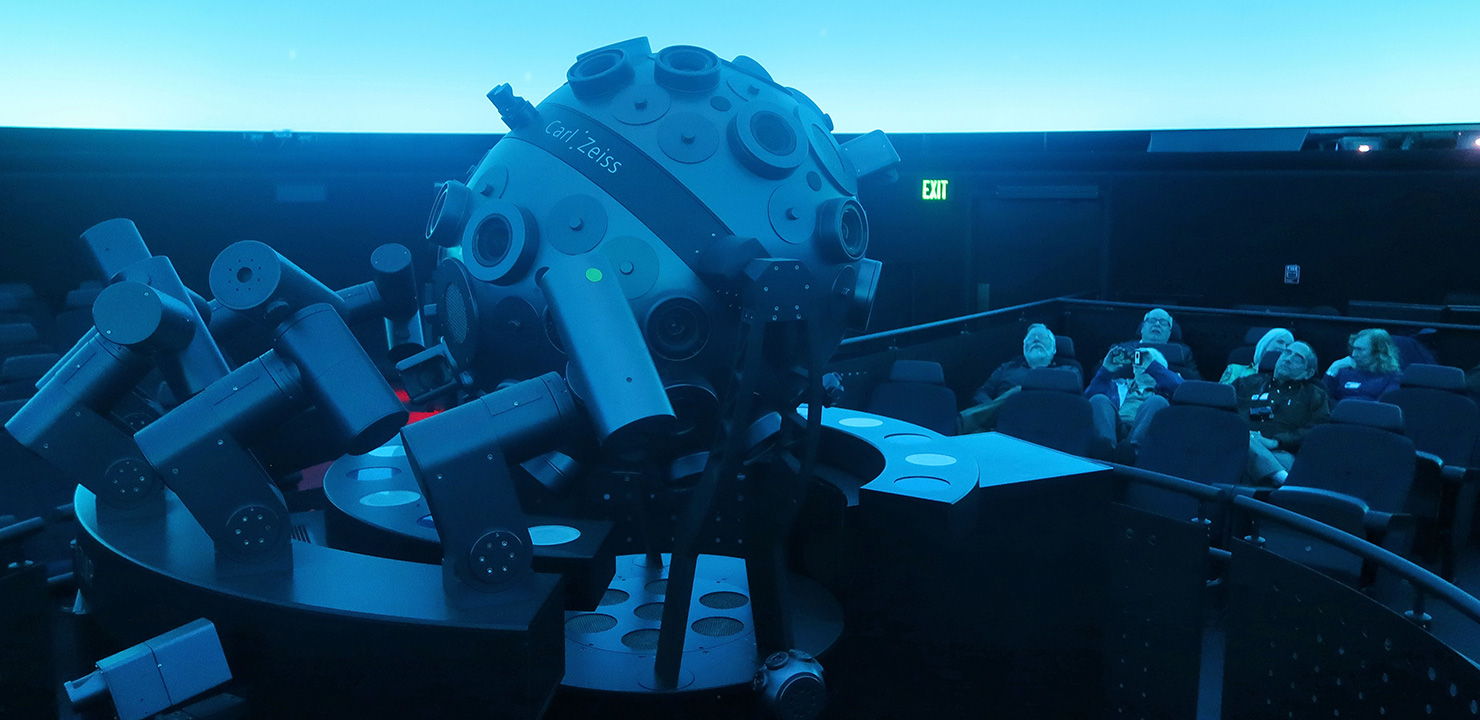
Nestled quietly on the corner of Upper College Road and Engineering Row is a unique little building resembling a silo stepped on by the Jolly Green Giant. Many students who pass by this building have no idea they are looking at one of the most modern planetariums in the area. The University of Rhode Island Planetarium, a part of the campus for decades, has within its doors the ability to travel through the solar system, and beyond.

April Lyrids Meteor Shower and Last Decent Views of Jupiter

: By Dave Huestis
For those of us who reside in the northern hemisphere, the spring season provides only one decent meteor shower to watch shooting stars streak across the sky. While not as productive as the August Perseids or the December Geminids, the annual Lyrids meteor shower’s usually mediocre numbers can occasionally be enhanced.
See Comet PanSTARRS in March and April

See Comet PanSTARRS in March and April

: By Dave Huestis
On any clear night there are tens of comets visible in the night sky. The majority are faint and require large telescopes to view them visually. They can be detected because they shine by reflected sunlight, just like all the planets and moons in our solar system. Once in a while a new comet will be discovered that shows potential for putting on a good show that anyone in a dark sky can observe and appreciate.