

Dave Huestis

Dave Huestis

May's "Meteor-ocre" Shower

The May Eta Aquarid meteor shower is one of the best displays of shooting stars during the year. Unfortunately not here in the northern hemisphere.

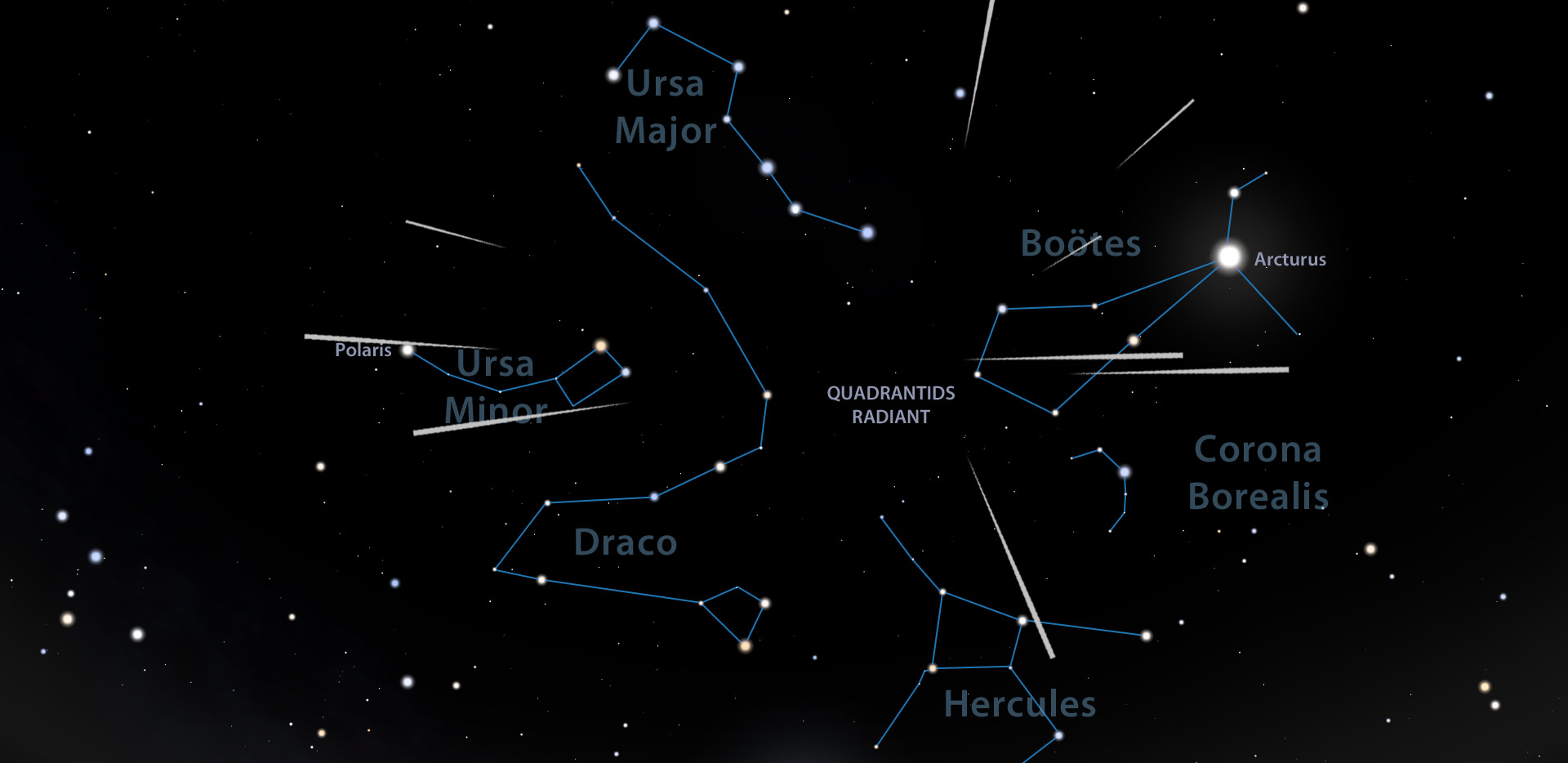
April Lyrids Meteor Shower and Last Decent Views of Jupiter

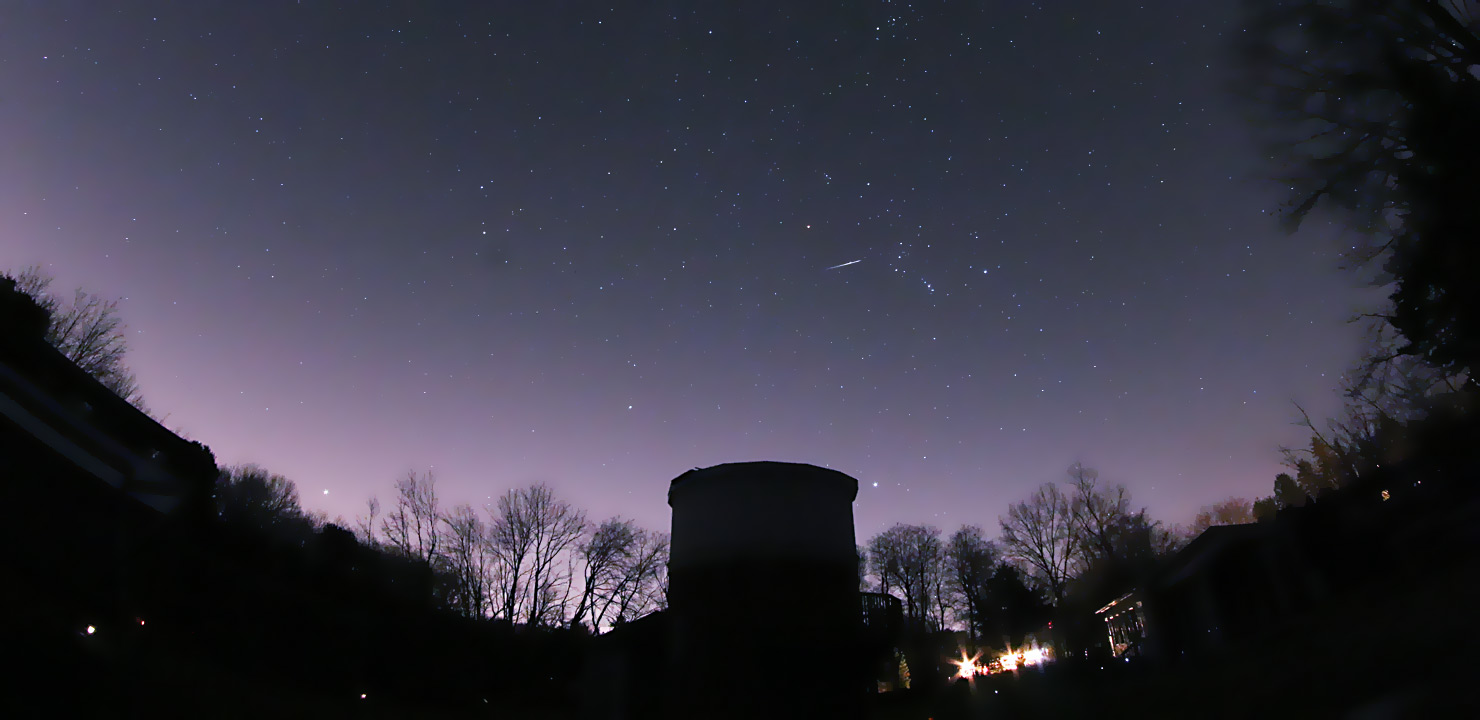
For those of us who reside in the northern hemisphere, the spring season provides only one decent meteor shower to watch shooting stars streak across the sky. While not as productive as the August Perseids or the December Geminids, the annual Lyrids meteor shower’s usually mediocre numbers can occasionally be enhanced.
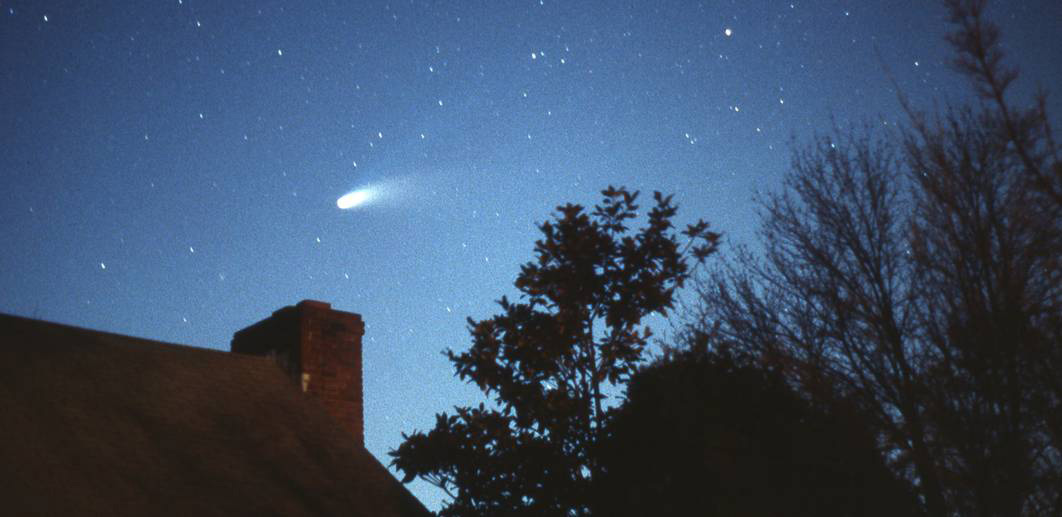
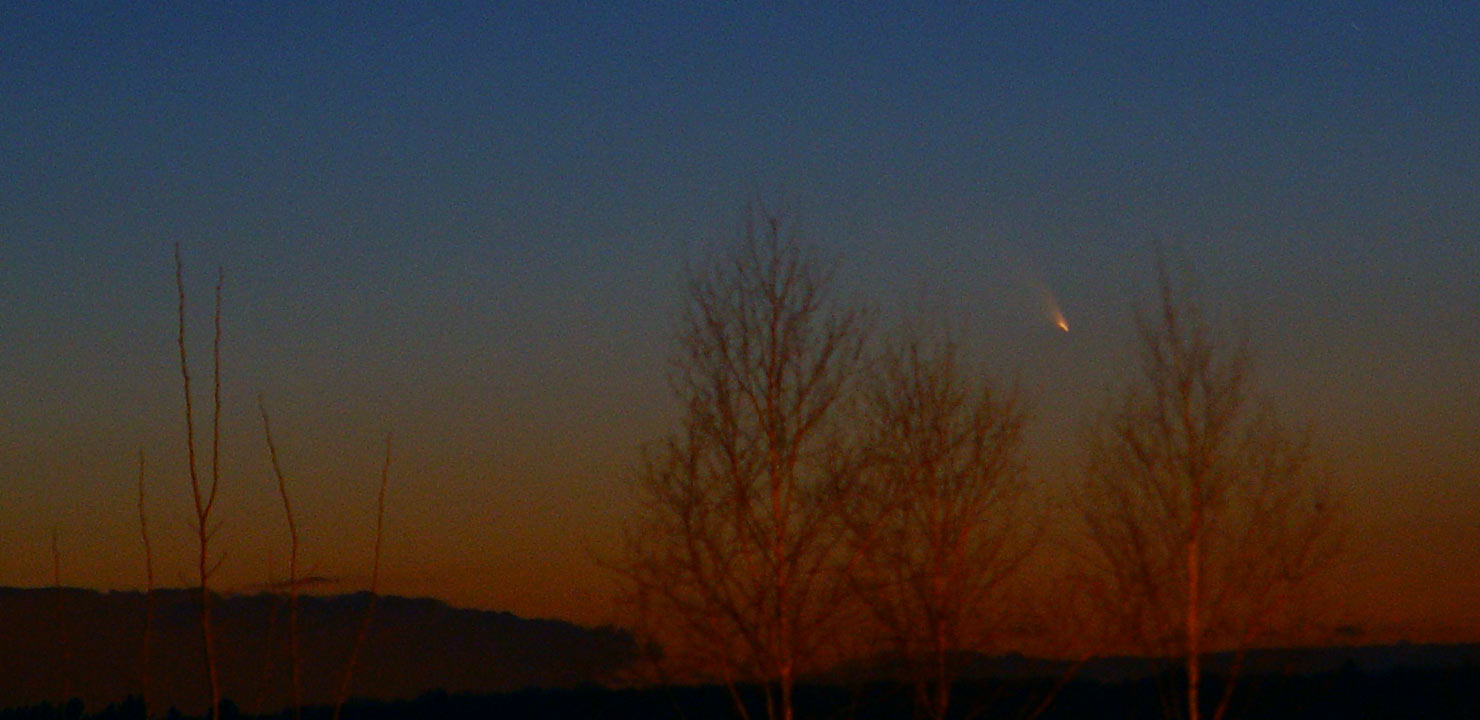
See Comet PanSTARRS in March and April

See Comet PanSTARRS in March and April

On any clear night there are tens of comets visible in the night sky. The majority are faint and require large telescopes to view them visually. They can be detected because they shine by reflected sunlight, just like all the planets and moons in our solar system. Once in a while a new comet will be discovered that shows potential for putting on a good show that anyone in a dark sky can observe and appreciate.
Doomsday 2012: Down for the (Long) Count?

Doomsday 2012: Down for the (Long) Count?

It’s difficult to know exactly when the alleged Mayan doomsday prophecy drivel started. I’ve had an interest in the Mesoamerican cultures of Central America for many decades, so I was aware of their advanced calendar system. However, in all my studies of these cultures I never encountered any reference to a Mayan prophecy regarding the end of the world on December 21, 2012. Misinterpretation, lack of knowledge of Mayan calendar reckoning, and downright falsehoods have conspired to feed the doomsday scenario.

Promising Prospects for December’s Geminid Meteor Shower
Mild comfortable nights of observing are now behind us. As we approach the Winter Solstice on December 21 at 6:12 a.m. (the earliest date and time for this astronomical event since 1896), our days grow shorter while the nights grow longer. Amateur astronomers like the early sunsets and the longer nighttime skies, but the cold temperatures can shorten one’s observing session quite effectively.
The Moon: It's just a Phase it's Going Through
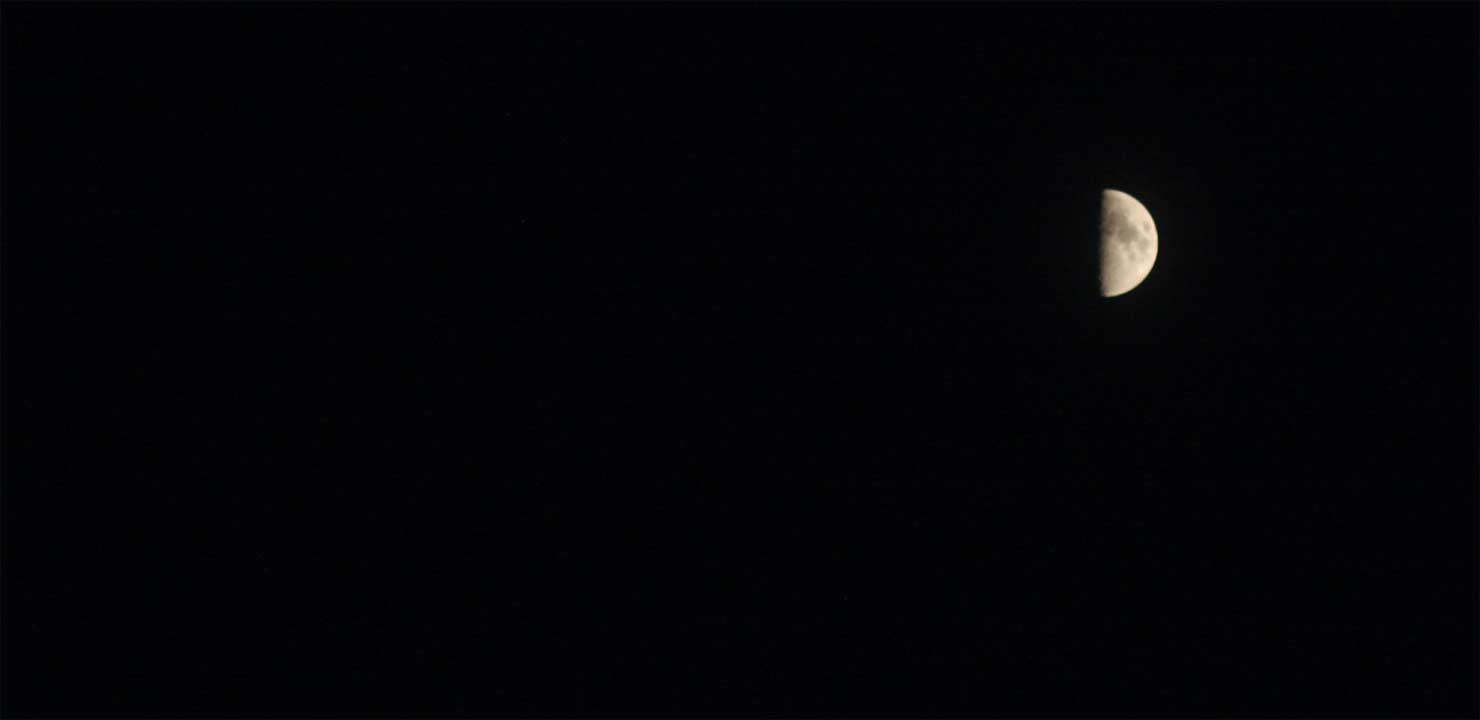
The Moon: It's just a Phase it's Going Through

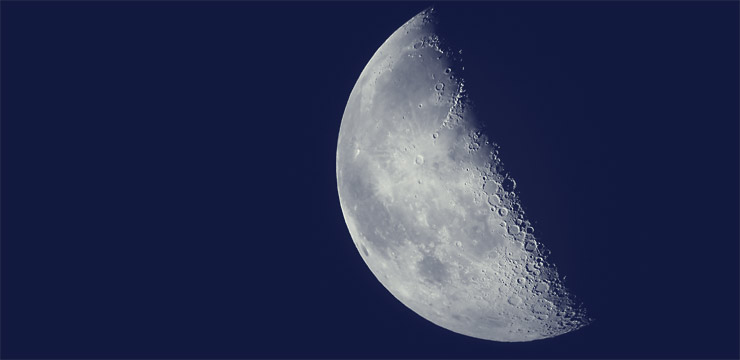
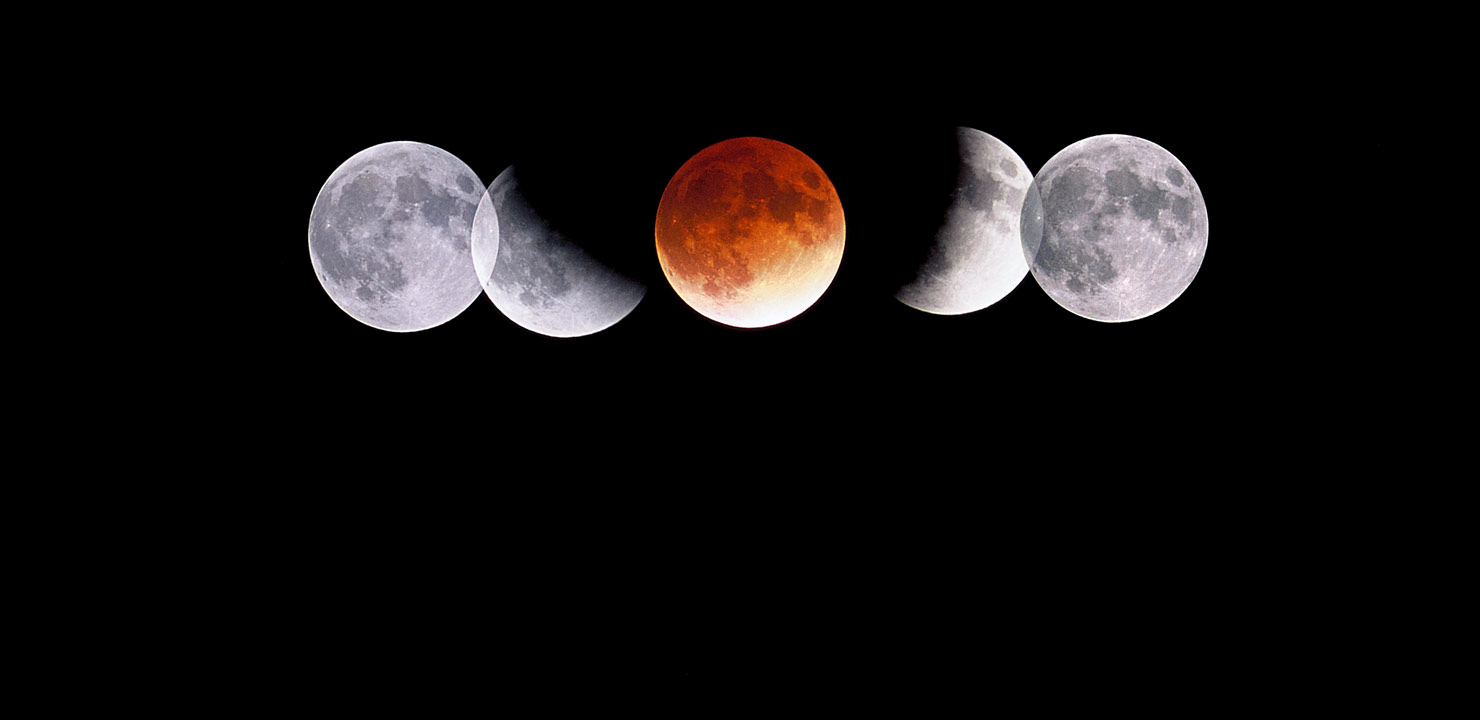
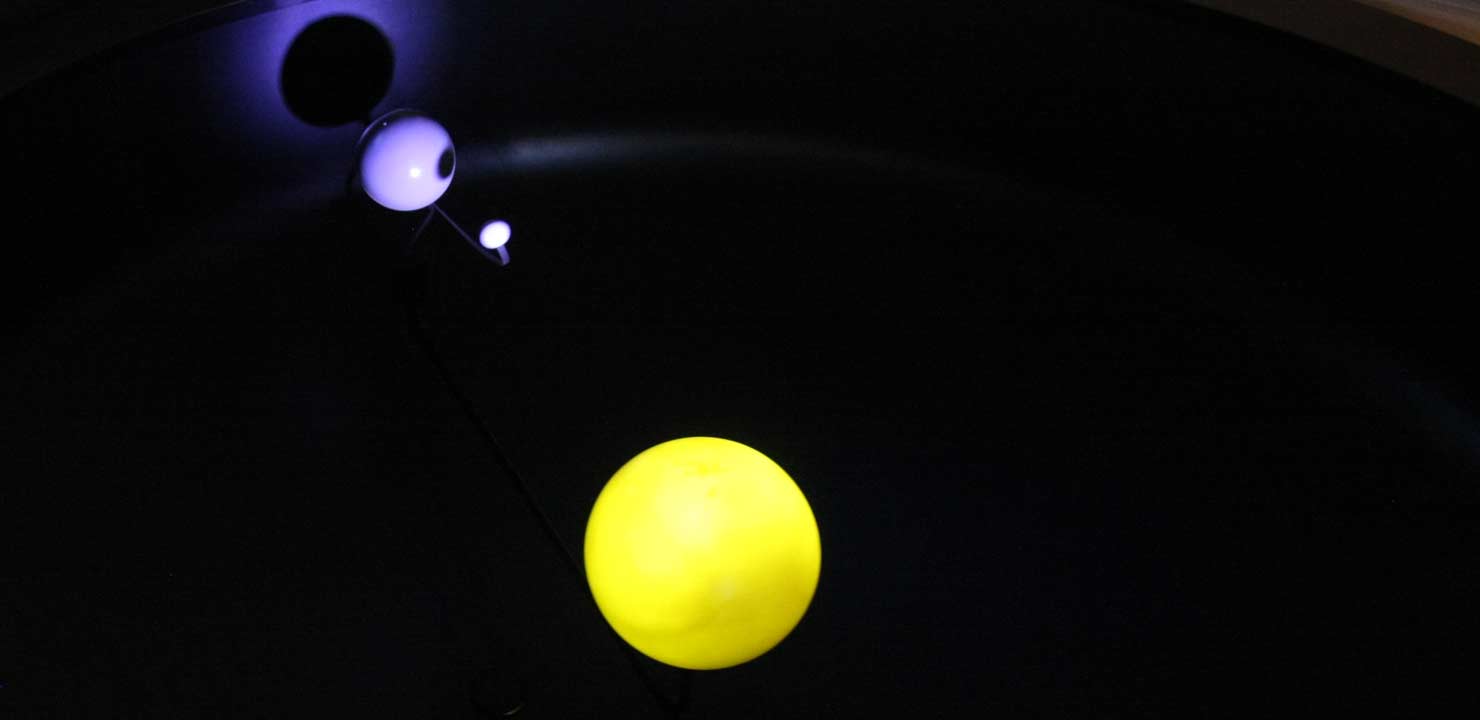
Even the most casual sky observer will notice the changing phases of the Moon. However, the reason for the Moon’s phases during a 29-day period seems to be almost all but forgotten.
Observing the First Quarter Moon

Observing the First Quarter Moon

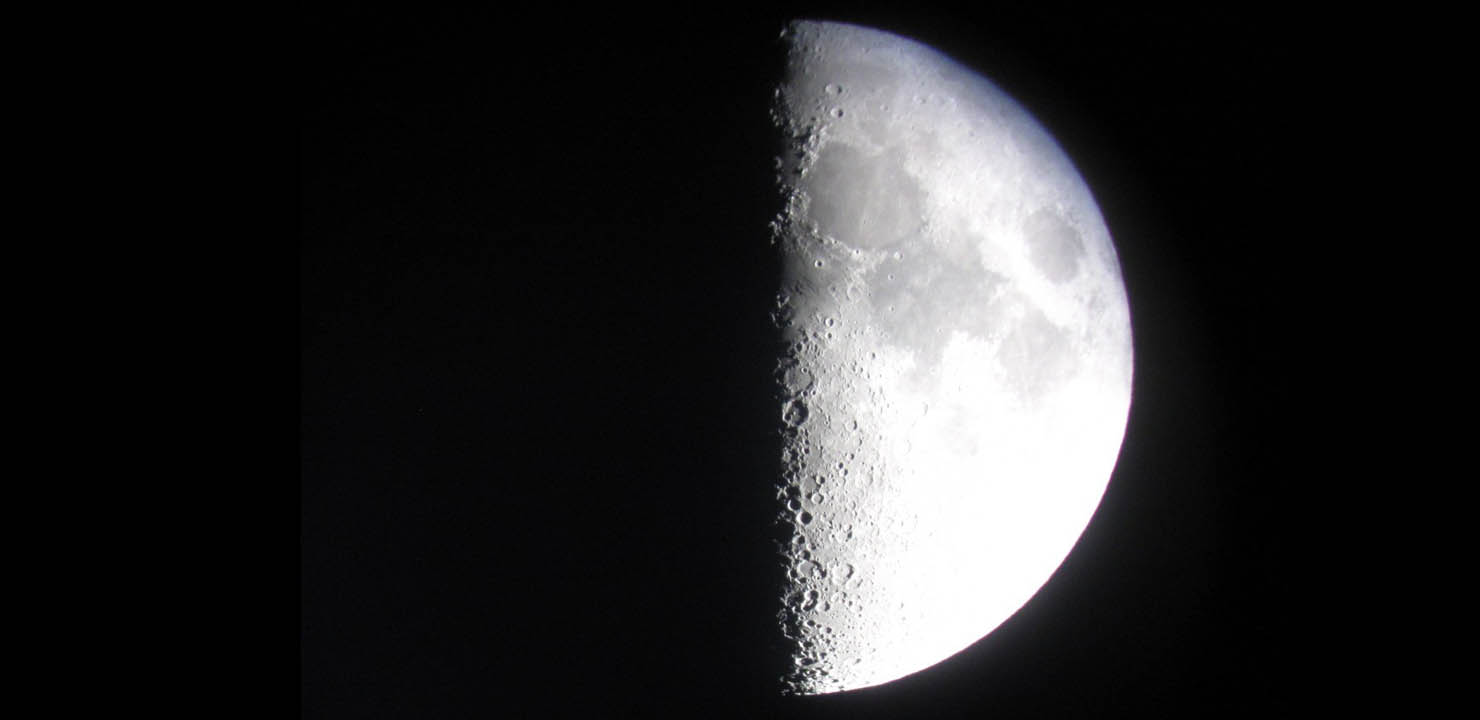
The Moon is an easy target for event the cheapest of small telescopes. Even binoculars can show a casual stargazer the more prominent features that populate the lunar landscape.
Curiosity to Explore Mars

Curiosity to Explore Mars

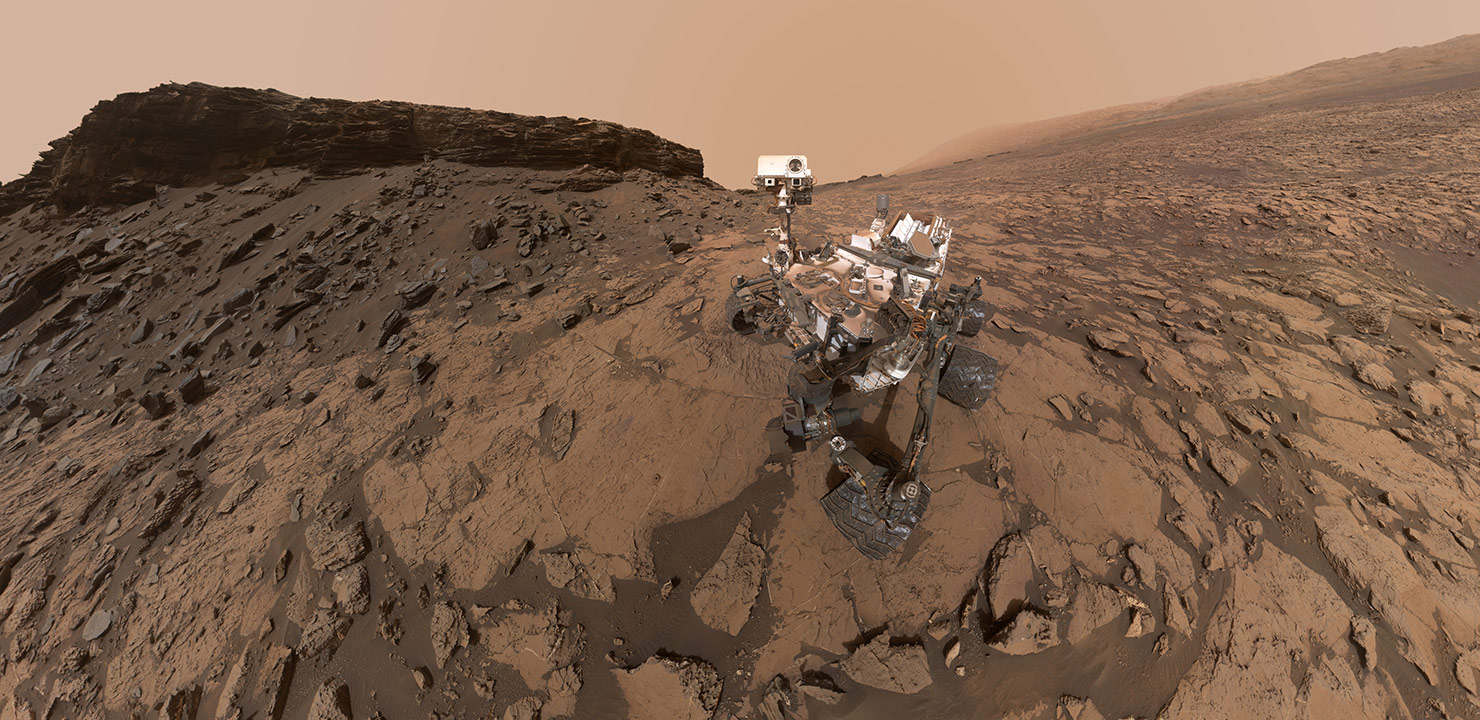
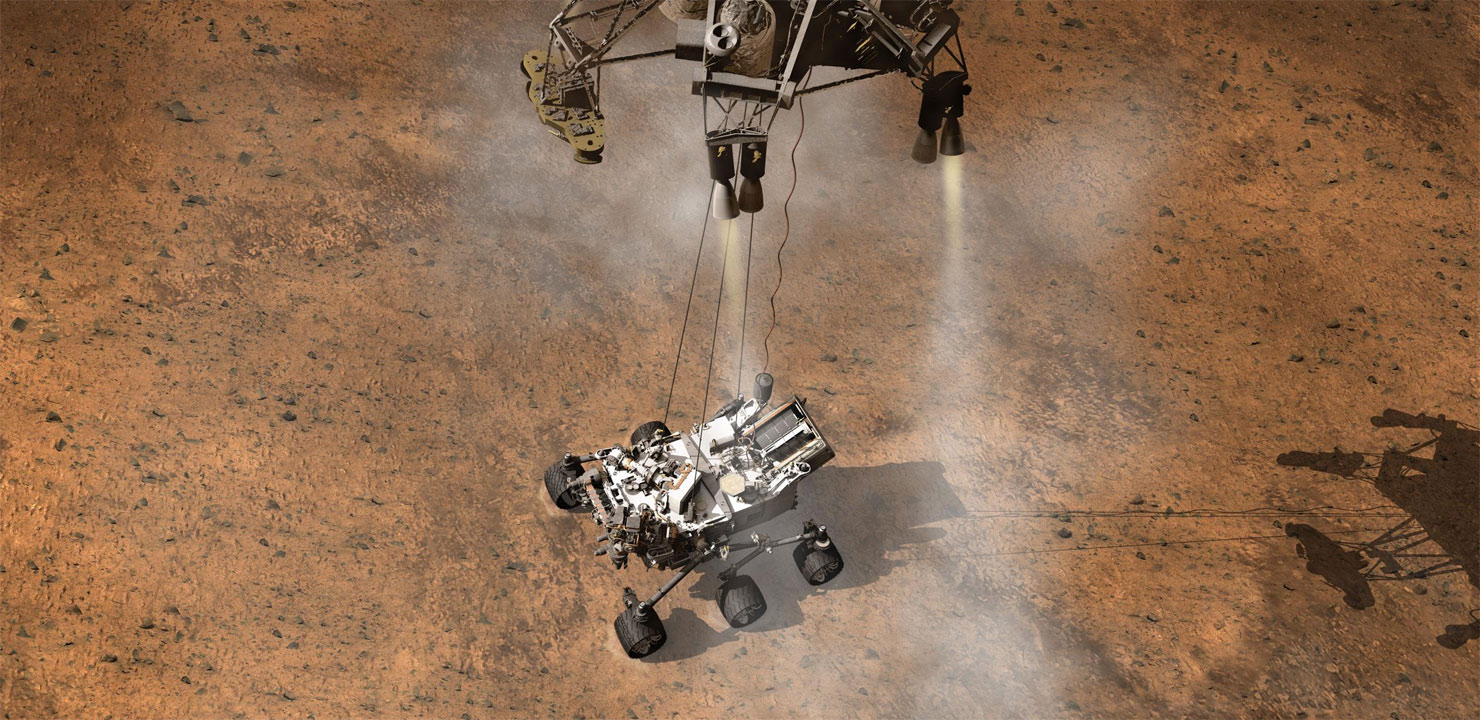
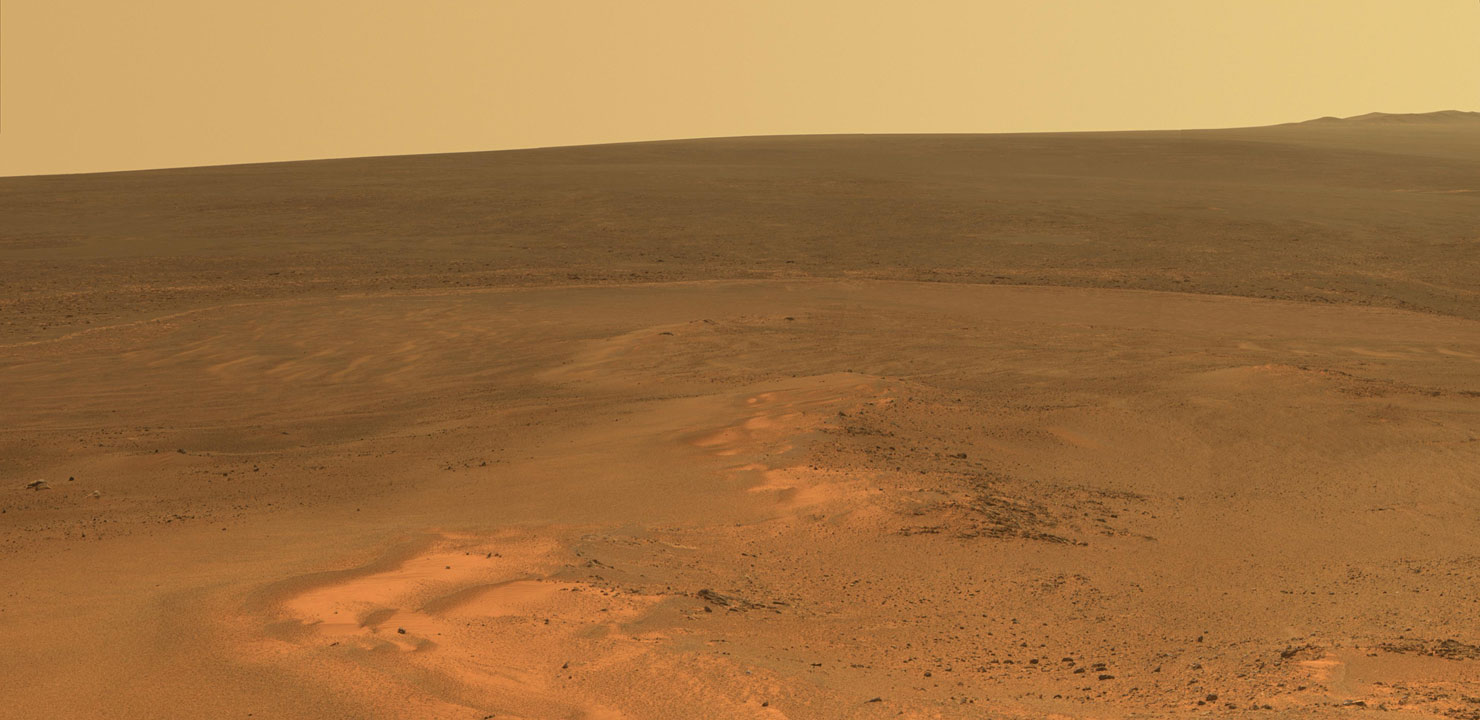
We will all be anxiously awaiting news of Curiosity’s successful landing in Gale Crater during the early morning hours of August 6 as it begins a new chapter in the exploration of Mars and the search for evidence of life on the planet.
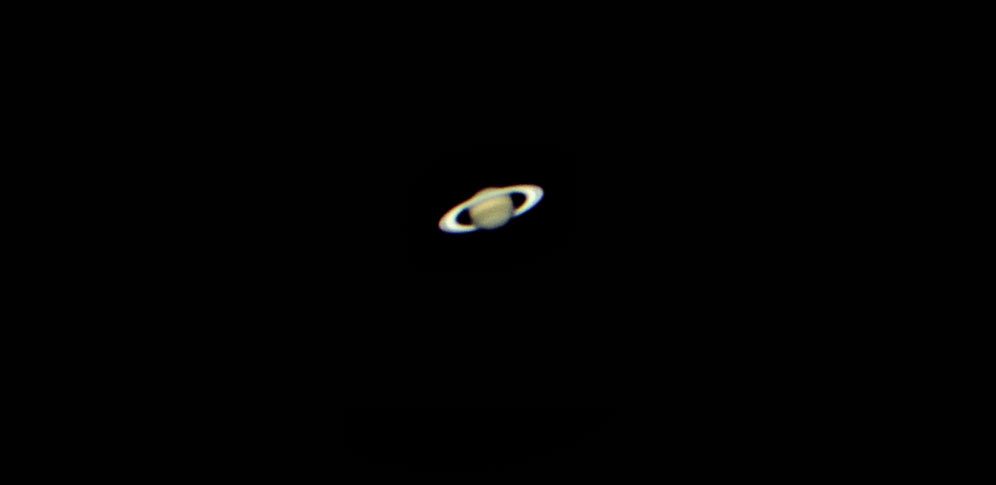
Saturn, the “Recruiter”

Saturn, the “Recruiter”

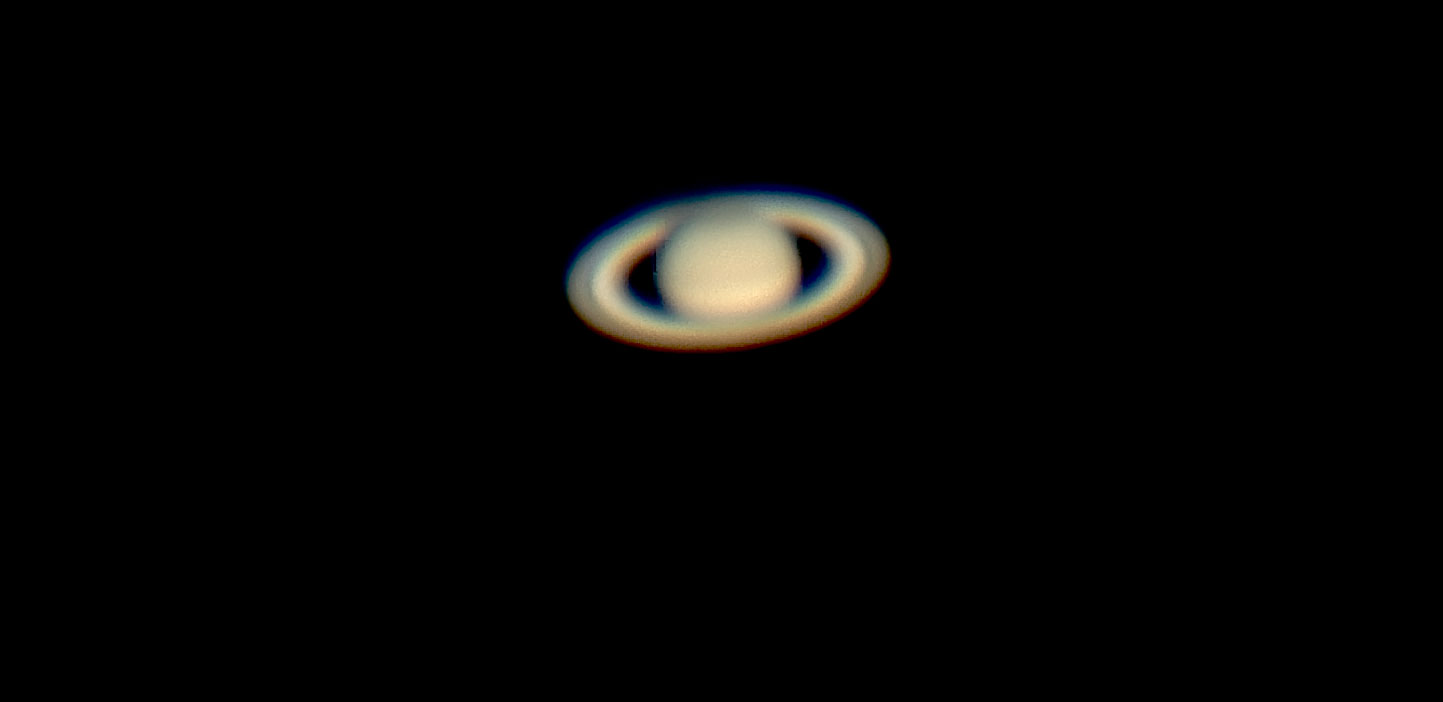
Right now is a good time to be recruited by Saturn. While this article is primarily intended for individuals with telescopes, those of you who do not own these wonderful instruments can still learn about the Saturnian system and then visit one of the local observatories.

Be Prepared for the Transit of Venus: June 5, 2012
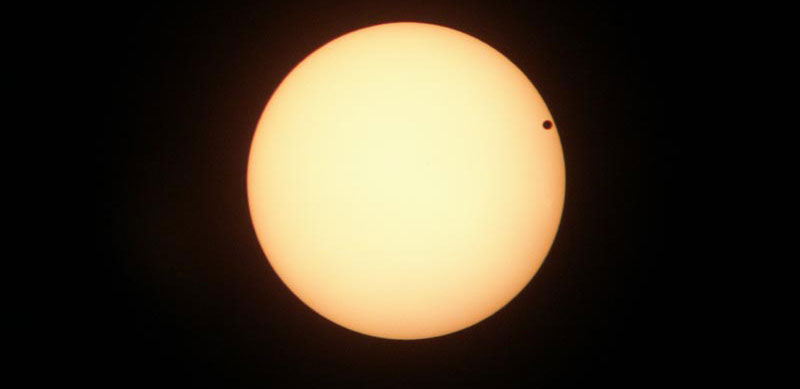
This notice is a brief reminder about the rare transit of Venus that will be visible here on the evening of June 5. A more detailed account appeared last month, which can also be viewed at the Skyscrapers website (http://www.theskyscrapers.org). Following are the highlights of this event, the last one to occur until the year 2117.

Shooting Stars of May

On the night of May 5-6 the Eta Aquarids will grace our skies. This display is an old and declining one and is best seen from the southern hemisphere, and this year will be mostly blotted out by the light of the Full Moon.

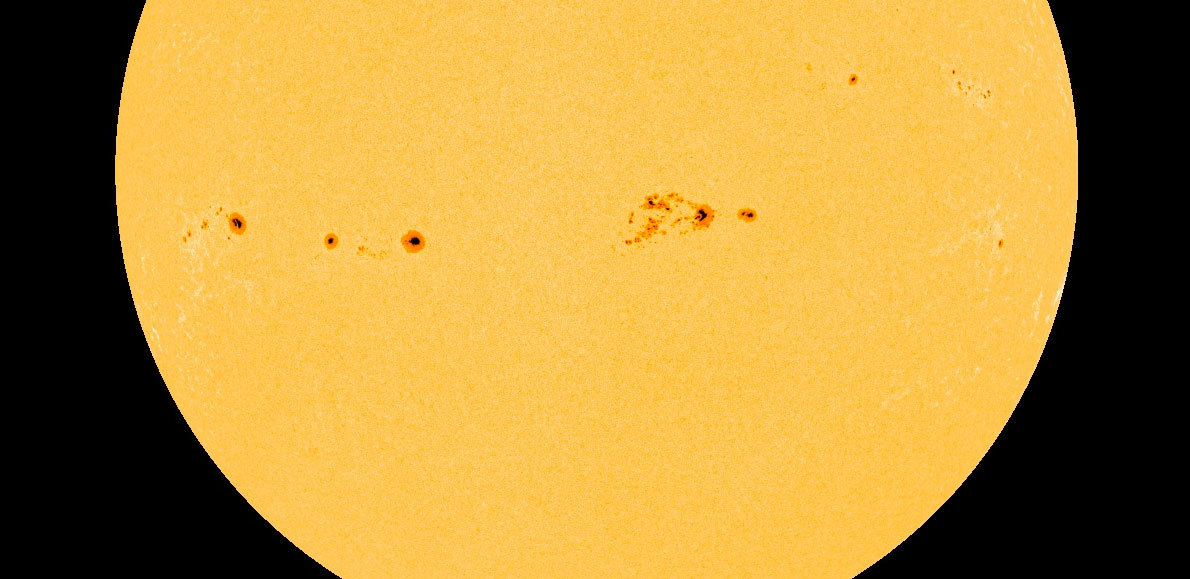
Solar Activity Primer

With the increase in very energetic solar flares, I thought it was prudent to provide a basic primer on our Sun and the reasons for its recent outbursts.

Northern Lights Primer

As the Sun’s activity continues to climb to solar maximum in 2013, you can expect the frequency and intensity of geomagnetic storms to increase as well, and with it the chance to witness a beautiful display of the northern lights from right here in southern New England.

April Meteor Shower

I haven't written about the April Lyrids for a few years now because the shower had been in decline, and the observing conditions were always poor to fair at best. Well, this year the shower peaks at around midnight on the night of April 21-22, and, best of all, the Moon will be New and will not blot out any of the meteors.
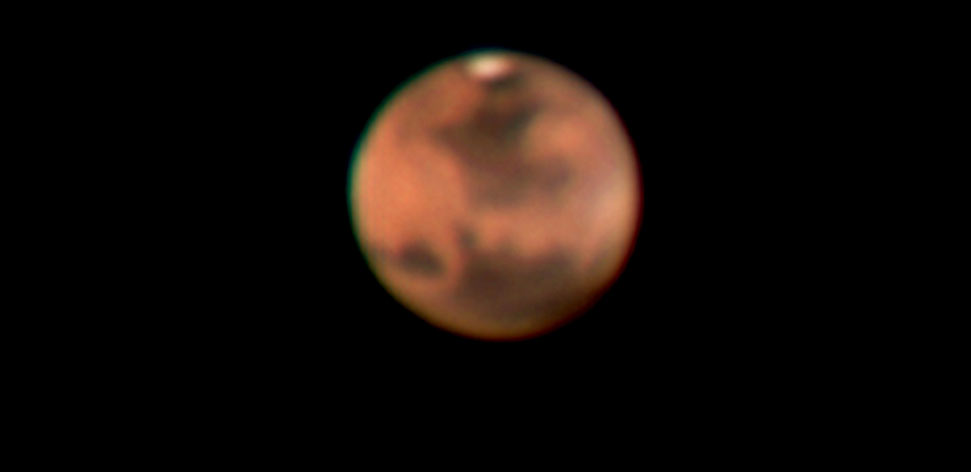
Marvelous Mars

Marvelous Mars

This brief Mars observing guide will help you to discern and appreciate the planetary detail a telescope may show you of this neighboring world. While this 2012 apparition is not one of the closer ones, medium-sized backyard telescopes should still coax some detail out of the small image. And of course the local observatories will be able to share even more Martian detail when steady seeing allows them to “crank up” the magnification.
Mars History Highlights

Mars History Highlights

What continues to draw us to Mars? Is it because we still believe life may once have flourished upon or beneath its now lifeless terrain? Spacecraft images and sensors may provide a wealth of data, but nothing can compare to the experience of seeing firsthand even a fleeting image of some Martian surface features through the telescopes at the local observatories or even through one’s personal backyard telescope.
Observing the Last Quarter Moon

Observing the Last Quarter Moon

There is a lunar phase which is not observed as regularly as those phases leading up to and just after full. Today’s column will highlight a few of the features that can be observed during the Last (or Third) Quarter Moon. Binoculars or a telescope will be required to adequately observe these formations.
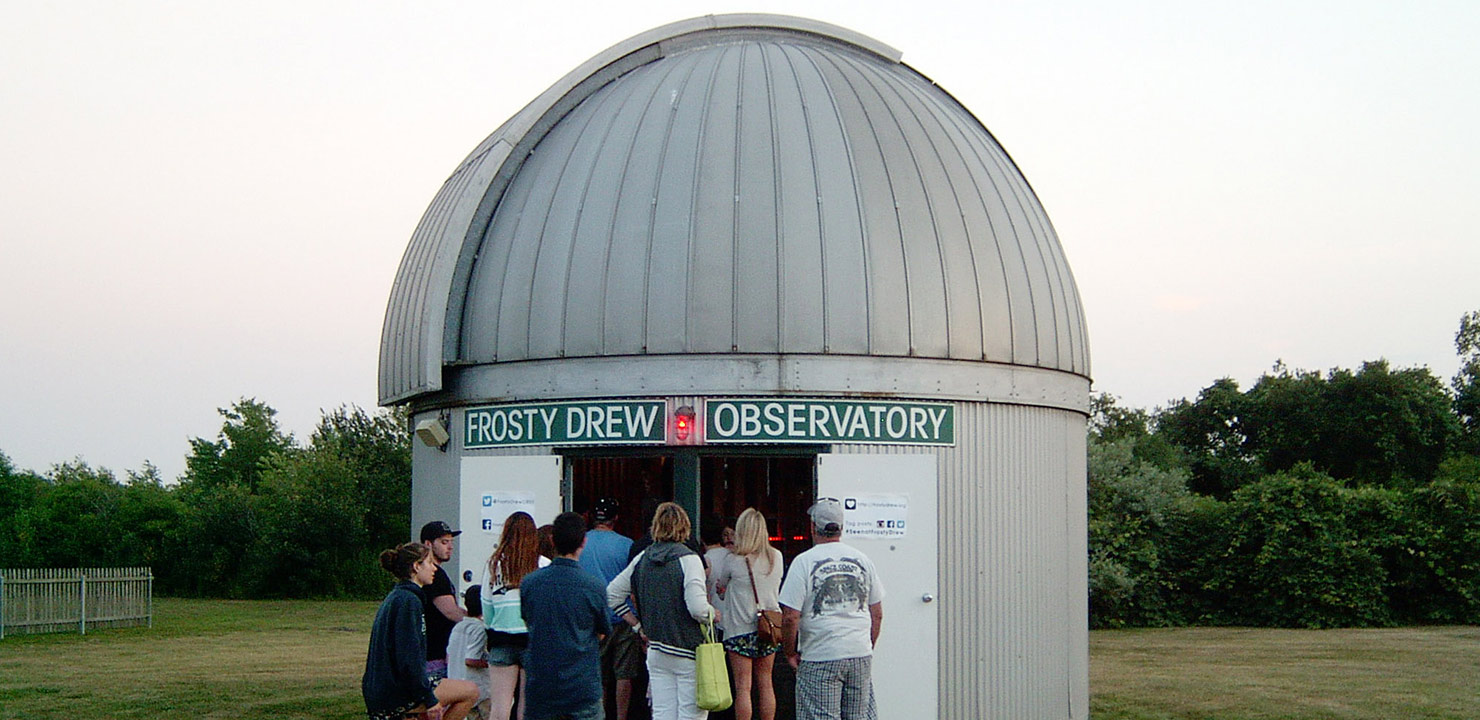
Frosty Drew Observatory

Frosty Drew Observatory

Several years ago I wrote a series of articles highlighting “space places” in Rhode Island. I neglected one important astronomical facility located down on Rhode Island’s south coast. Natives of the smallest state don’t like to drive far for any event. We often joke that someone from the northern environs of our state needs to bring a passport, lunch, and an overnight bag to make a journey to Newport or Westerly. That state of mind even has a name, it’s called being provincial.
Midland Mall Remembrance

Midland Mall Remembrance

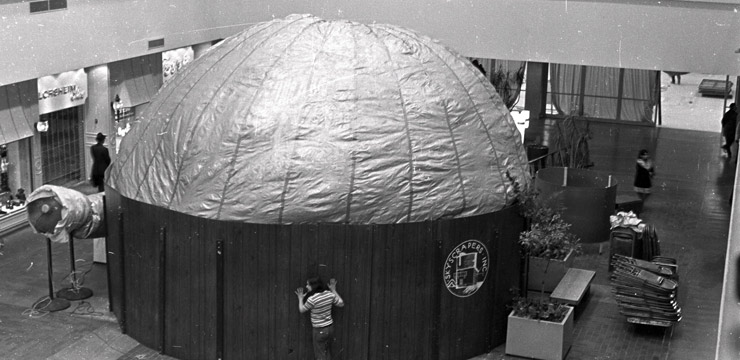
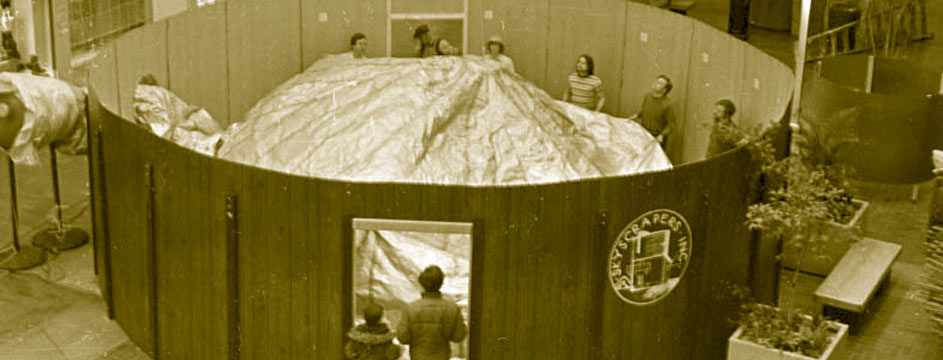
What connection could there possibly be between astronomy and the once grand experiment called the Midland Mall? Well, those of you who have been Rhode Island residents for just more than 36 years may already know the answer to that question. Perhaps you were one of many visitors who experienced a memorable display presented by Skyscrapers at the Midland Mall during a ten-day span from April 7 – 17, 1975. I dedicate this remembrance to the Midland Mall and all the people who helped to make the event a memorable one.

Easter and the Astronomical Connection

The date for the celebration of Easter is tied to astronomical events. In 352 A.D. the Council of Nicaea declared that Easter would fall on the first Sunday after the Full Moon on or next after the vernal equinox (Spring - March 20 or 21). However, if the Full Moon occurs on a Sunday, Easter is celebrated on the following Sunday. This reckoning allows for Easter to occur as early as March 22 or as late as April 25.

Orion the Hunter

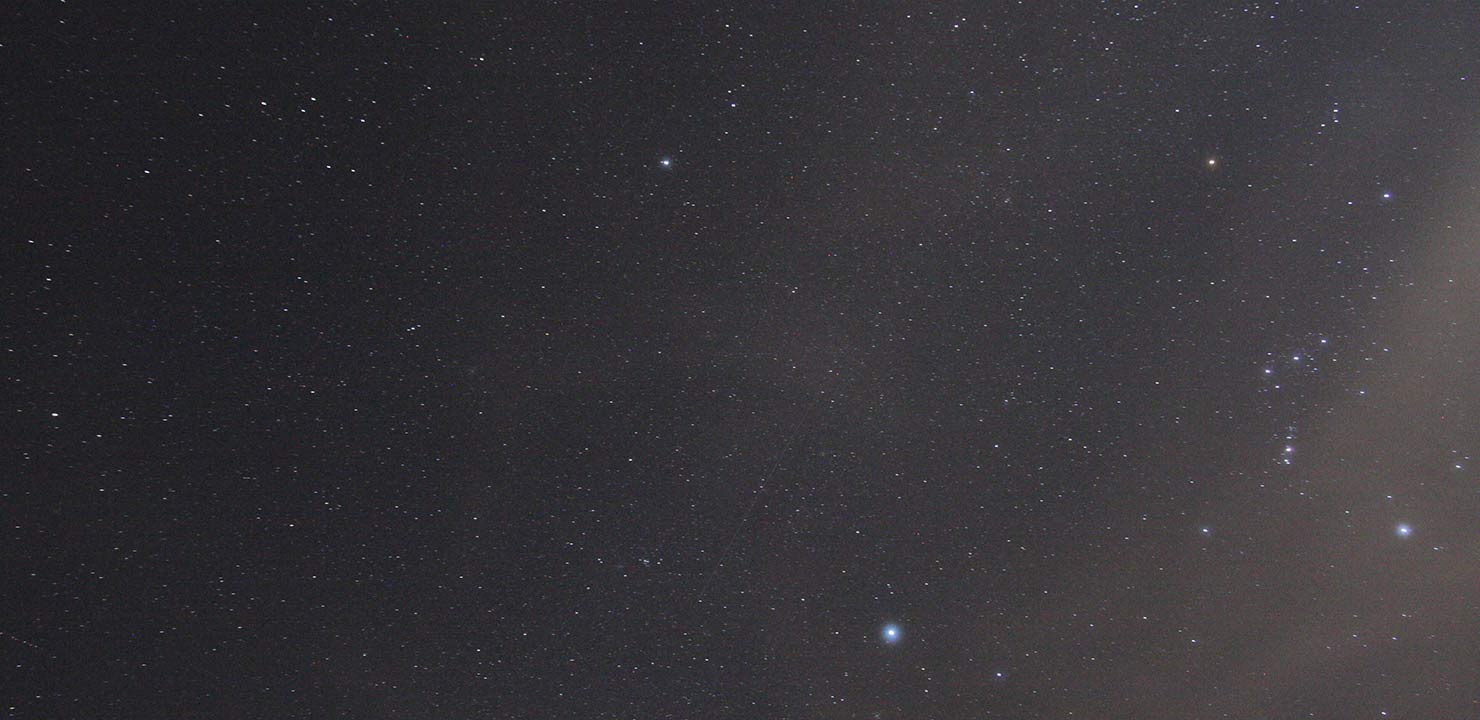
Everyone with an interest in astronomy probably has a favorite constellation. It may be because of the star pattern’s mythology, or its shape in the sky, or for the beautiful objects that reside within its boundaries, or possibly because it’s your astrological sign.

It’s Full of Stars!

This month Dave Huestis examines the 5th largest constellation in the sky - Hercules. While there are many mythological stories about this giant, one of the most beautiful objects in the heavens resides within its borders. It's full of stars!
Celebrating the Sesquicentennial Birthday of Frank Evans Seagrave (1860–1934)

Celebrating the Sesquicentennial Birthday of Frank Evans Seagrave (1860–1934)

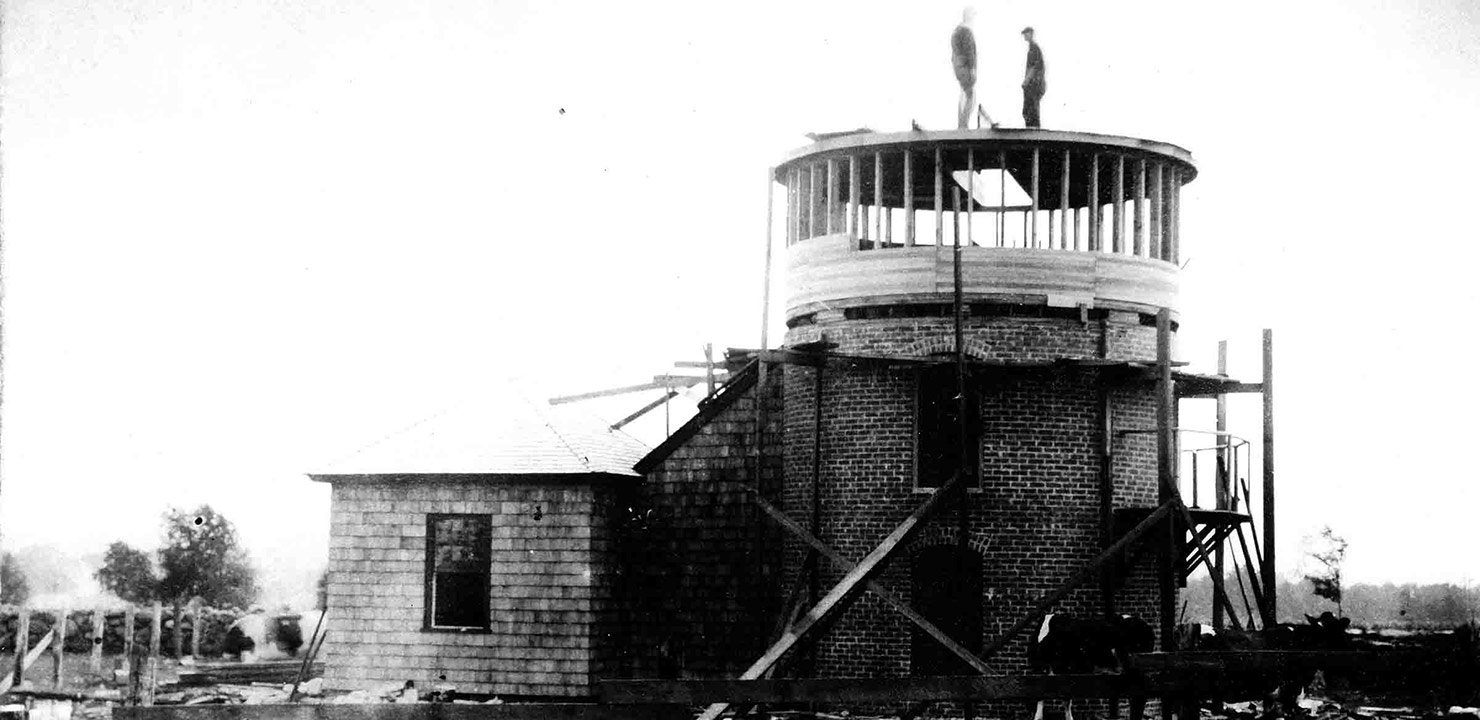
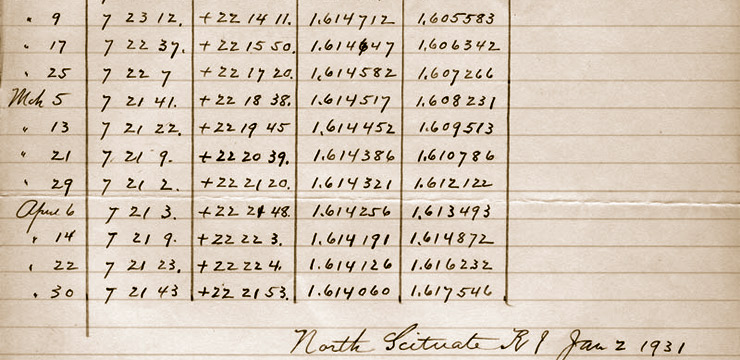
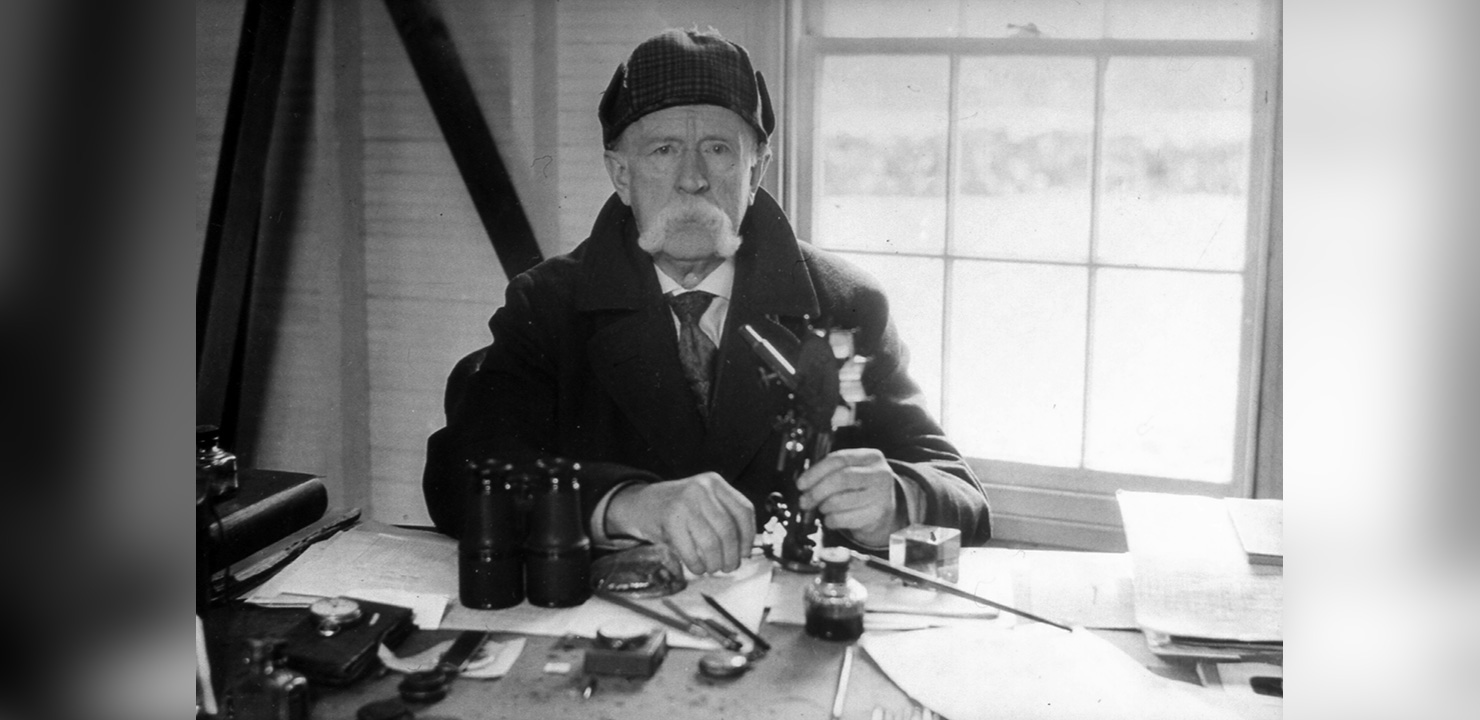
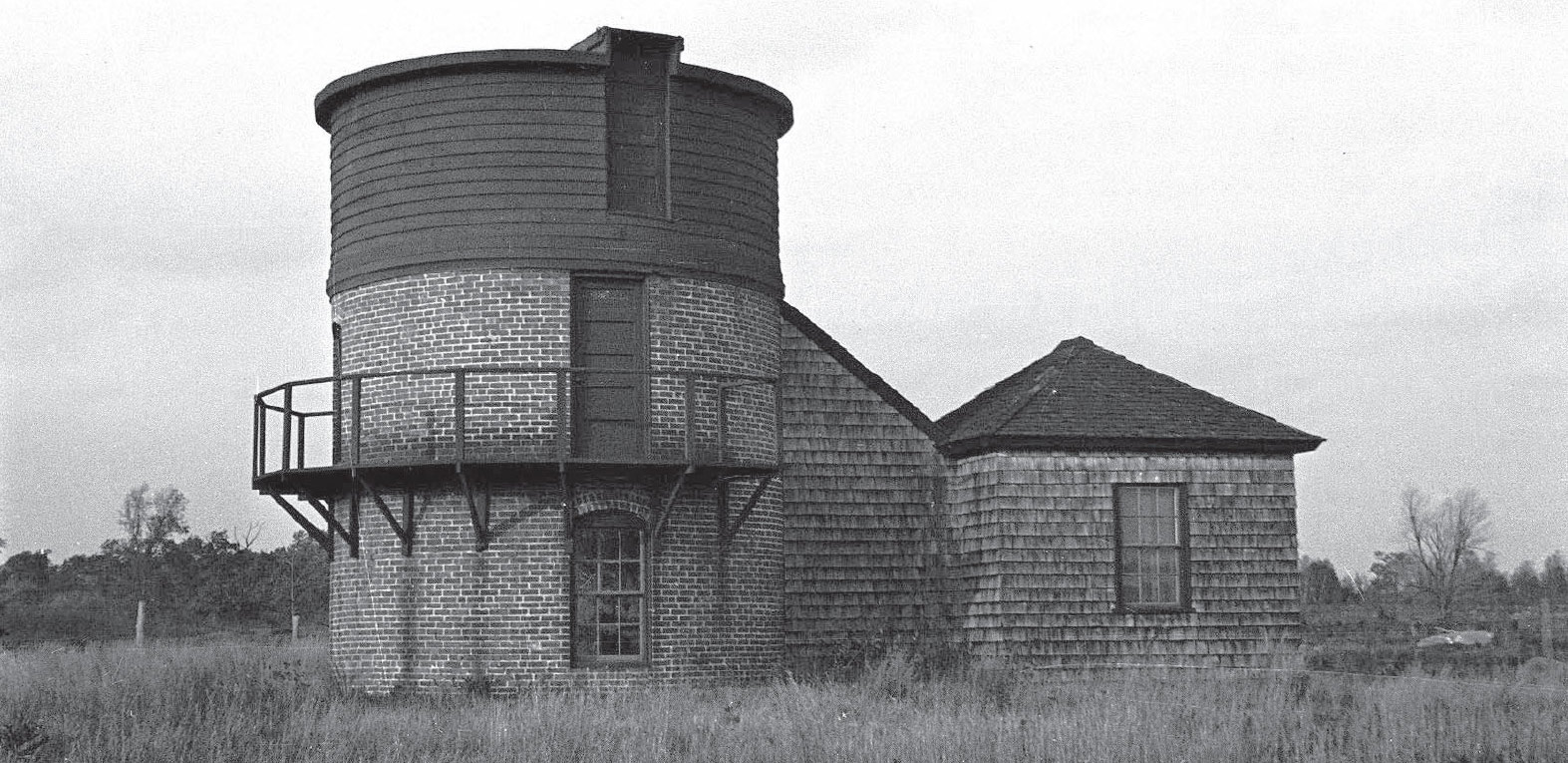
Skyscrapers' historian Dave Huestis has written a brief summary of the life and achievements of Frank Evans Seagrave to celebrate the sesquicentennial birthday of this great "amateur" astronomer. Our observatory and 8 1/4-inch Alvan Clark refractor was once Seagrave's property, which Skyscrapers purchased in 1936. One of the most amazing facts that both amateur astronomers and the public alike envy the most is that Frank received that exquisite telescope for his 16th birthday in 1876!

2009 Leonids Observing Report

One Leonid of about 1st magnitude appeared to the east of Betelgeuse, leaving a two second train of dust behind it. Not bad. Much later a bright Leonid, perhaps as bright as Jupiter, shot about 15 degrees to the west of Sirius. I saw it disappear below my tree line to the south. These were the highlights.
40th Anniversary of the Apollo 11 Moon Landing

40th Anniversary of the Apollo 11 Moon Landing

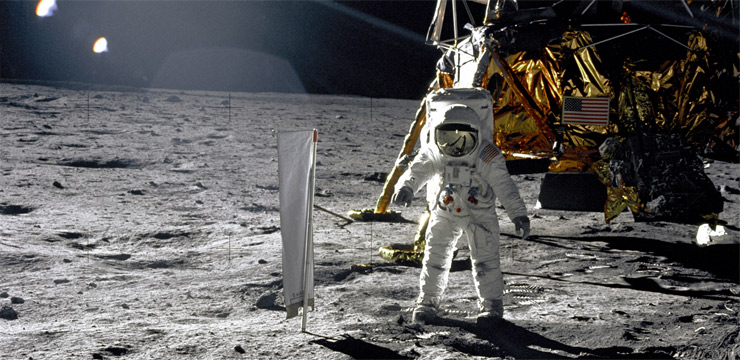
“That’s one small step for (a) man. One giant leap for mankind.” On July 20, 1969, Neil Armstrong first set foot upon the Moon and spoke those words. It is perhaps the quote that most people of all cultures throughout the world recognize. This year we celebrate the 40th Anniversary of the Apollo 11 Moon landing which set the stage for a total of 12 men to walk the surface of another world. Dave Huestis gives us a brief review of this crowning achievement and honors all those who made the Moon landings possible.

Occultation/Graze of Antares by Moon: June 6, 2009

I have watched the Moon occult stars in the Pleiades star cluster on many occasions. And I have also observed the Moon occult a planet or two during my 37 years of amateur astronomy. But just seeing a single star either pass behind the lunar limb or move tangentially to it never seemed to interest me.

Searching for Extraterrestrial Signals
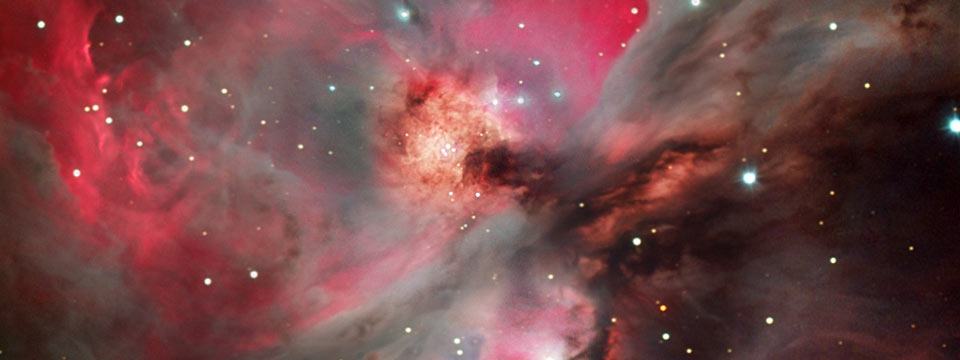
Are there any extraterrestrial civilizations out there in our galaxy capable of transmitting a deliberate signal that we earthlings can detect?
The Winter Circle

The Winter Circle

Just as the summer sky has the Summer Triangle, the winter sky has its own special asterism, and this one is huge and includes a total of eight bright stars. It’s called the Winter Circle or Winter Hexagon. I’ll explain why you can get both shapes from the stars.

The ISS, Space Shuttle and Iridium Flares, Oh My!

While you are out there casually stargazing from a dark sky location, you might see some other interesting objects. You’ll see some familiar constellations, and of course there are a few meteors on any clear night. And you might see the Moon and a naked-eye planet or two. But every now and then some unknown object may traverse the sky. You might even see a brief, but bright flash.

The Mystery of the Christmas Star

What was the Star of Bethlehem? Can a natural astronomical event account for the appearance of the Christmas Star about 2000 years ago?

Mars History Highlights

What continues to draw us to Mars? Is it because we still believe life may once have flourished upon or beneath its now lifeless terrain? Spacecraft images and sensors may provide a wealth of data, but nothing can compare to the experience of seeing firsthand even a fleeting image of some Martian surface features through a backyard telescope.

Easter and the Astronomical Connection

Easter can occur as early as March 22 or as late as April 25. Why this range? The varying date for the observance of Easter is determined by astronomical circumstances. And this year it is celebrated almost as early as it can be, on March 27.
Skyscrapers Portable Planetarium Project
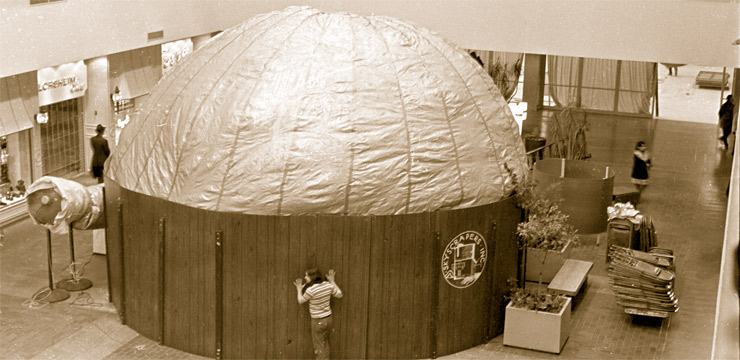
Skyscrapers Portable Planetarium Project

Historian Dave Huestis gave a presentation at the February 4, 2005 meeting highlighting the 30th anniversary of the portable planetarium project undertaken by Sksyscrapers in 1975, which became a significant turning point for the organization.
Margaret M. Jacoby Observatory

Margaret M. Jacoby Observatory

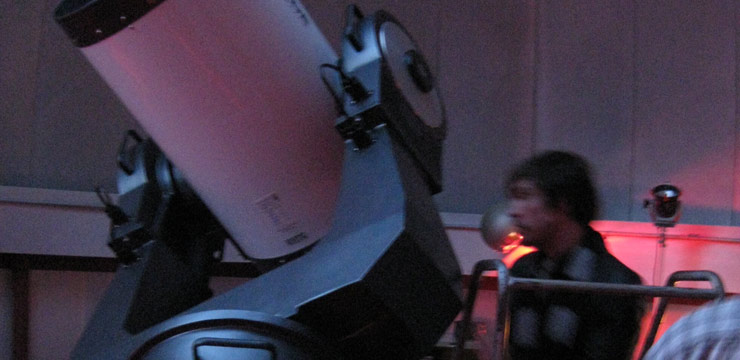
As space places in Rhode Island go, the CCRI observatory is a fairly new facility dedicated to the teaching of science in our state.
Brian Magaw: A Remembrance

Brian Magaw: A Remembrance

In July 1994, Skyscrapers were both ecstatic and sad at the same time. While we and the world were anxiously awaiting the icy fragments of Shoemaker-Levy 9 to plunge into Jupiter's atmosphere, our colleague Brian D. Magaw lost his courageous battle with cancer.

ET Phone Earth

Humankind has never been satisfied with what merely lies in his own backyard. We must explore. We have to know what is beyond the next hill. The more questions we answer about our existence, the more questions we ask.

Stellar Rorschach

Every season has its share of interesting astronomical wonders for us to marvel at in the heavens. But whether you are using your naked-eye or a newly acquired telescope, can you navigate your way around the constellations to find a particular object?

Mars on the Net

Have you gotten it yet? Mars mania? Mars fever? Mars madness? If not, you will soon. Astronomers have been anxiously awaiting August 27, 2003. Mars will then be closer to our world than it has for 60,000 years, 34,646,418 miles. Even small backyard telescopes will reveal detail only fleetingly glimpsed before in larger aperture scopes under the best of best conditions. Get ready for a close encounter of your lifetime.
Ladd Observatory

Ladd Observatory

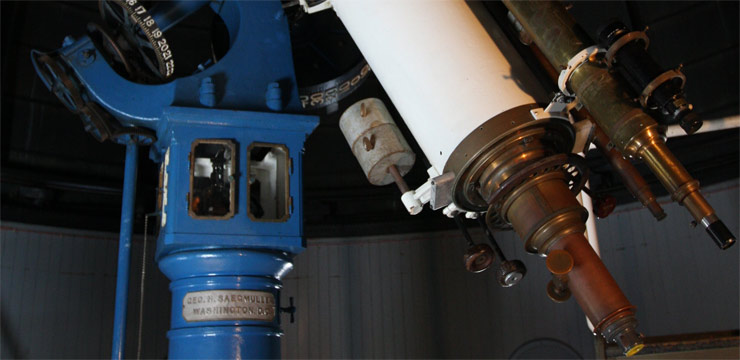
The third installment of Space Planes in Rhode Island features this observatory at the corner of Hope St and Doyle Ave in Providence.
Cormack Planetarium

Cormack Planetarium

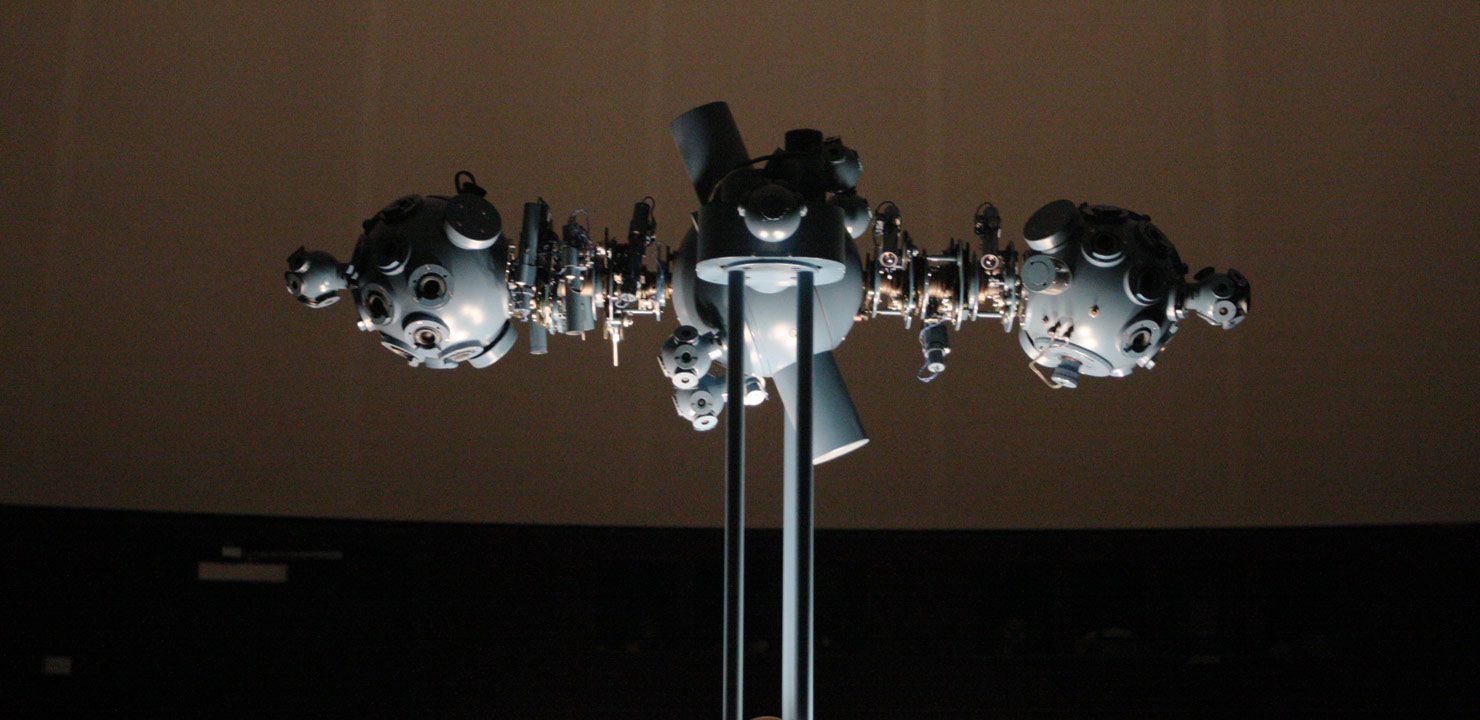
Located in the Roger Williams Park Museum of Natural History, the Cormack Planetarium is open to the public every weekend and during school vacation weeks.

Northeast Planetary Data Center

Did you know there are two other major observatories open to the public in Little Rhody besides our own Seagrave Observatory?

Cygnus the Swan

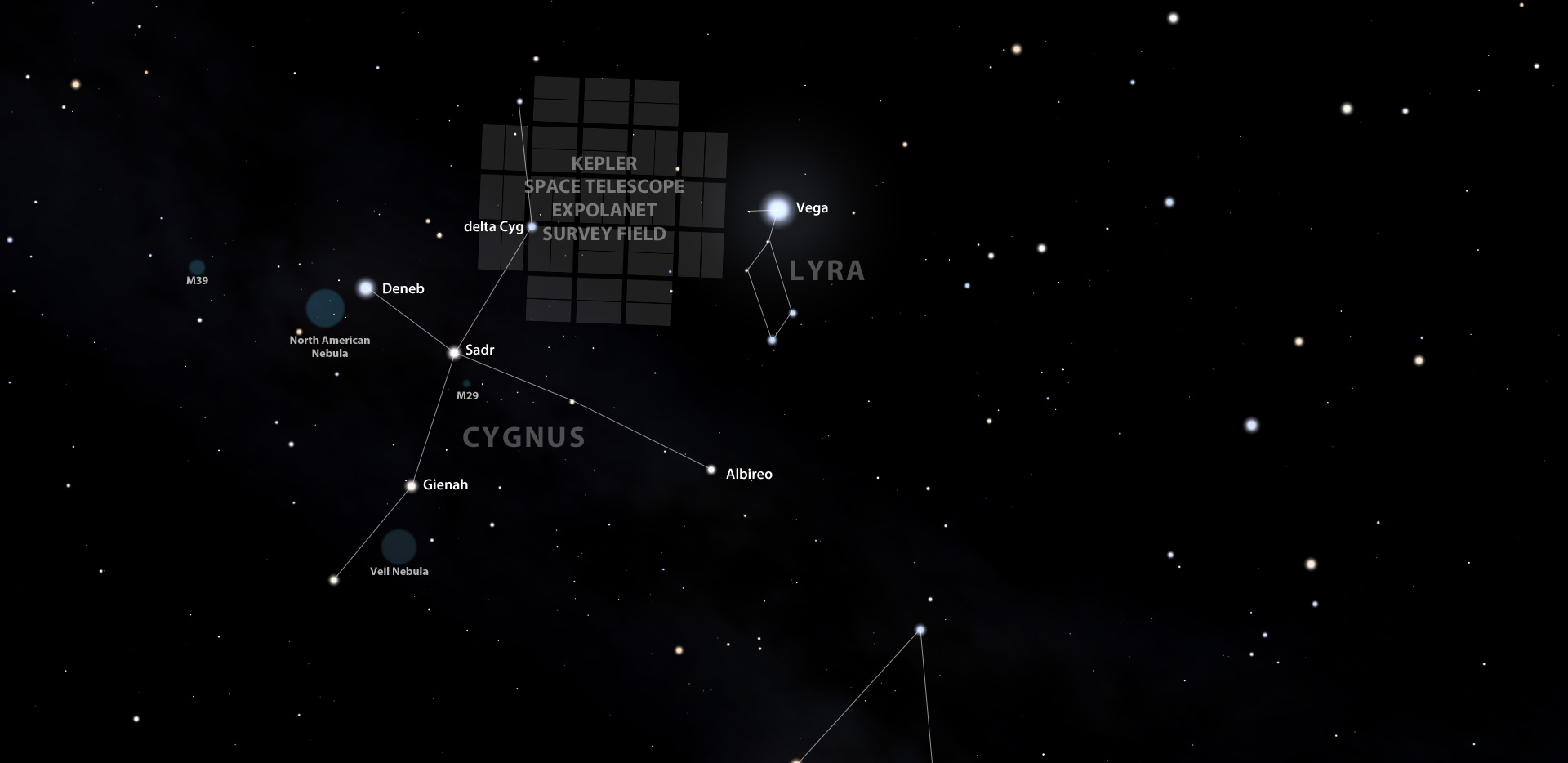
Cygnus the Swan (also known as the Northern Cross), can be found in one of the richest star regions in the sky.

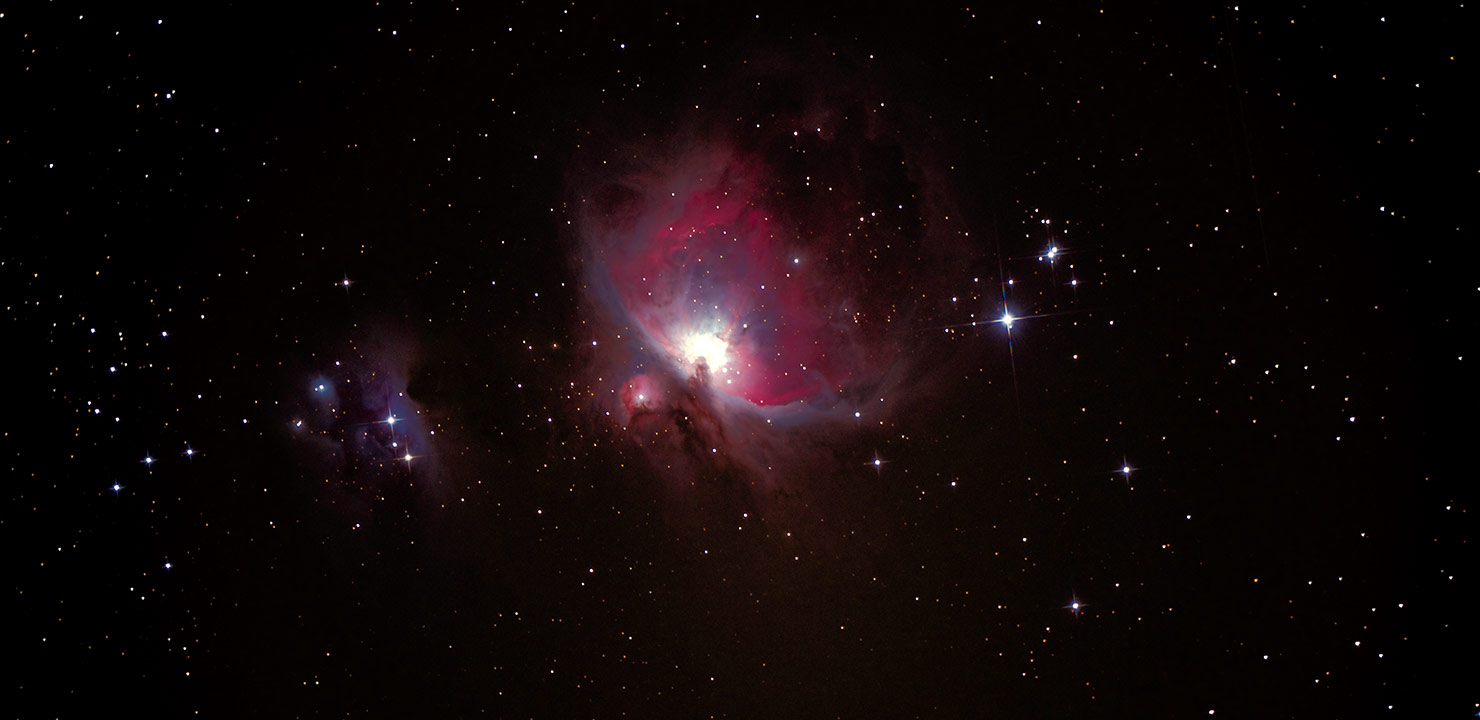
A Giant Constellation: Orion

One of those bright and easily recognizable constellations is Orion, the mighty hunter. Though one does not need a telescope to view all the stars that comprise this star pattern, you can put your Christmas telescope to good use and go outside this February and focus your attention on one of the most beautiful celestial objects that resides within Orion's starry boundaries.

Mystery of the Christmas Star

Several ideas on the origin of the Star of Bethlehem have been proposed over the years.. Some theories have consistently held up under careful scrutiny, while others have floundered.
October 2, 1976: AstroAssembly

Auroras

February 9, 1976: Monthly Meeting

UFOs
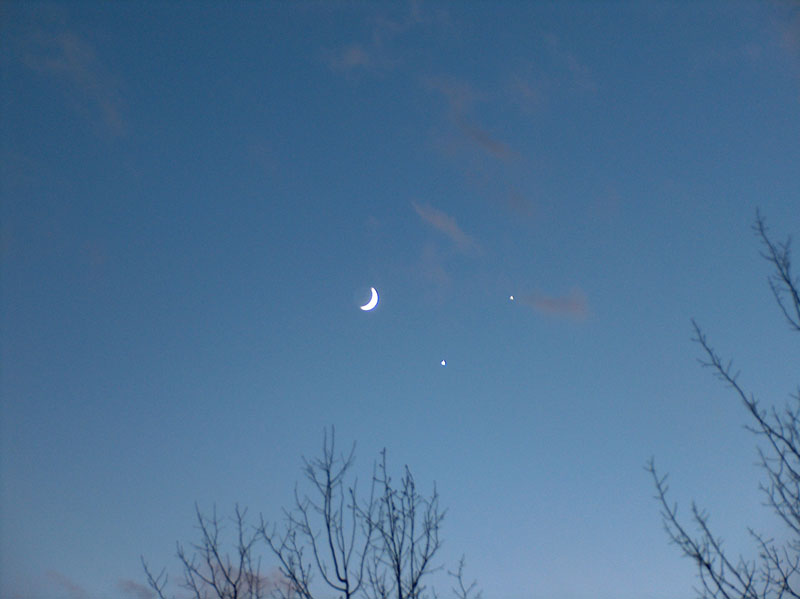
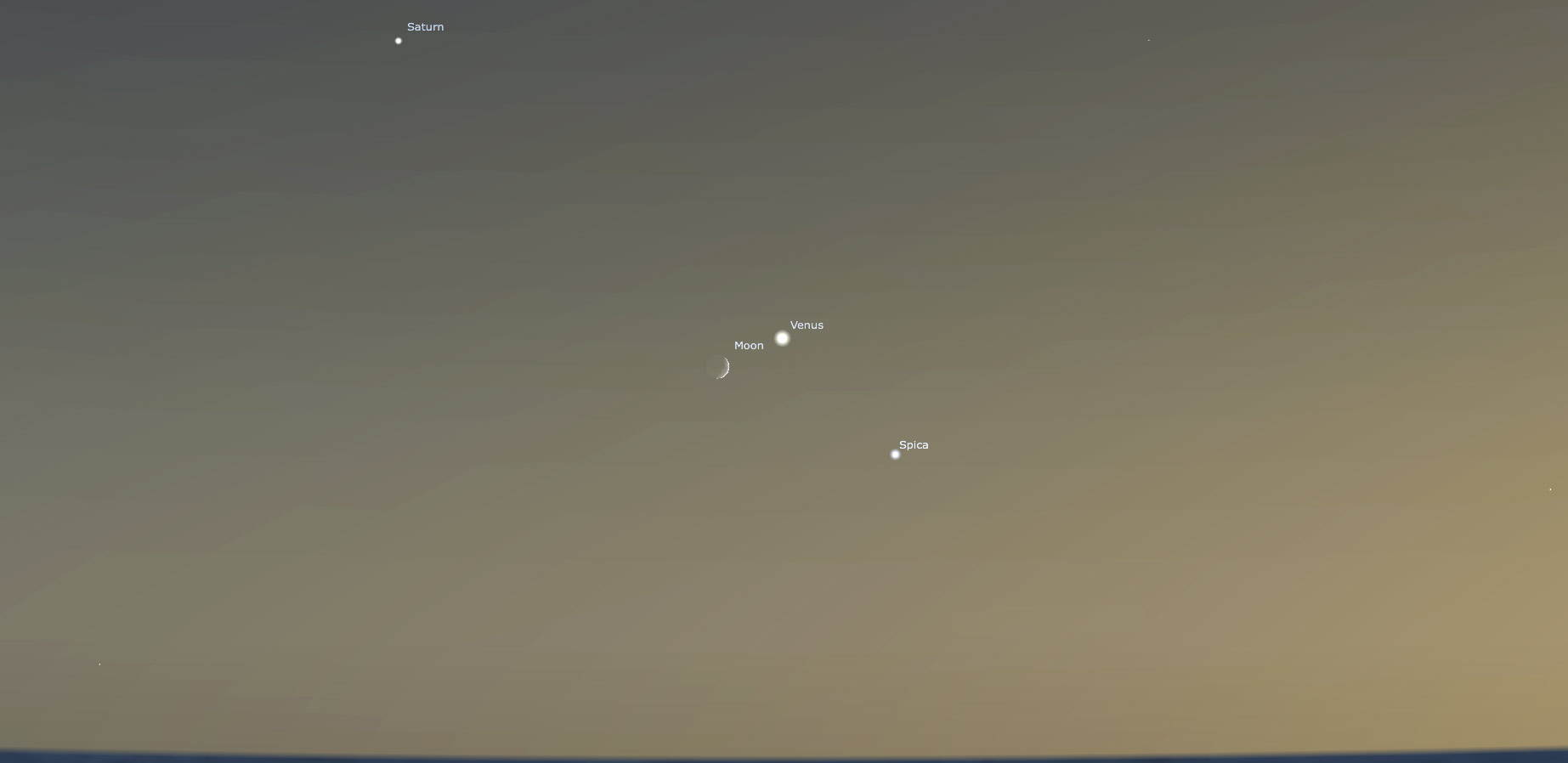
  • Moon, Venus & Jupiter Conjunction

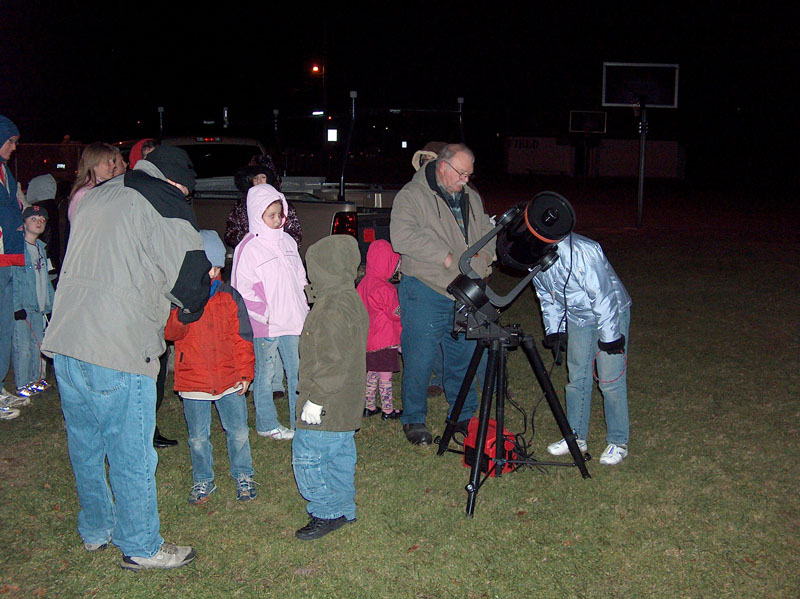
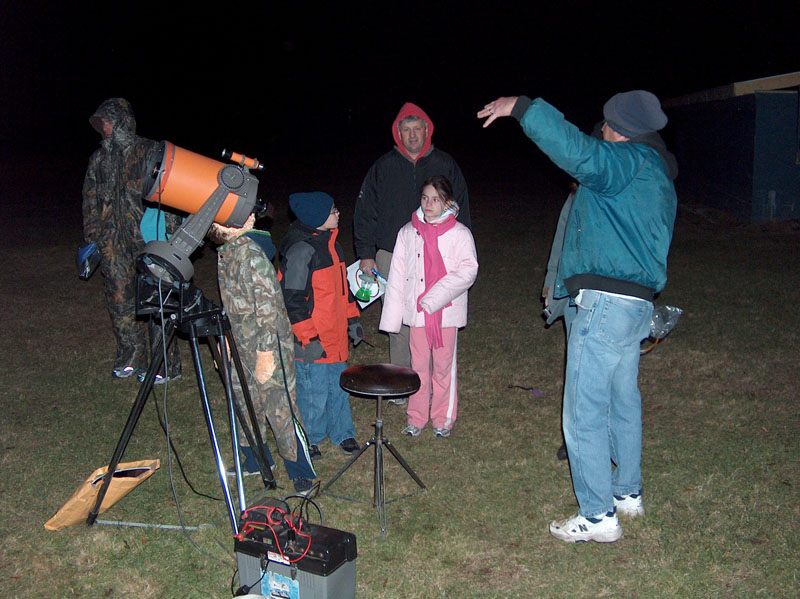
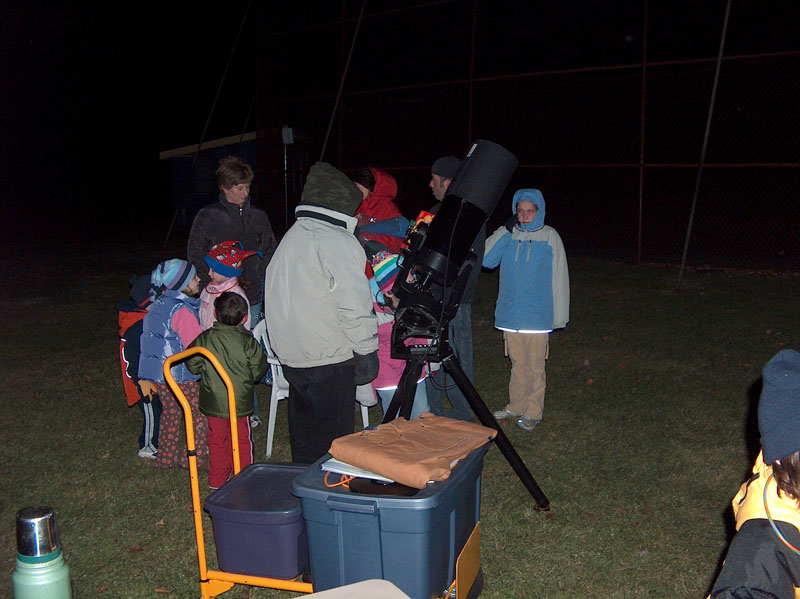
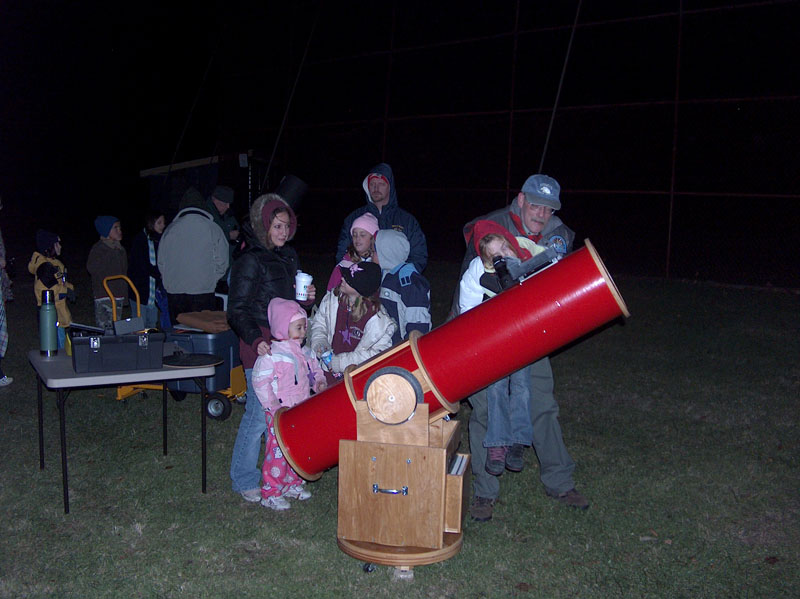
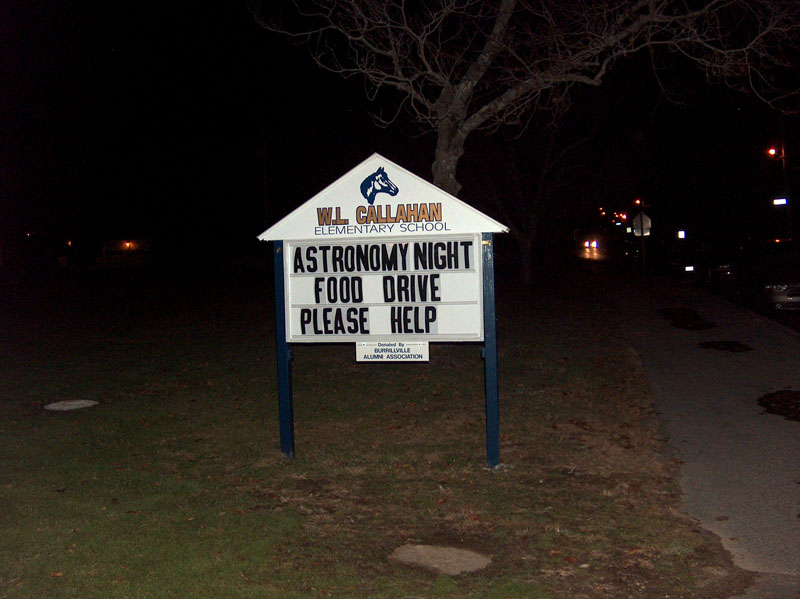
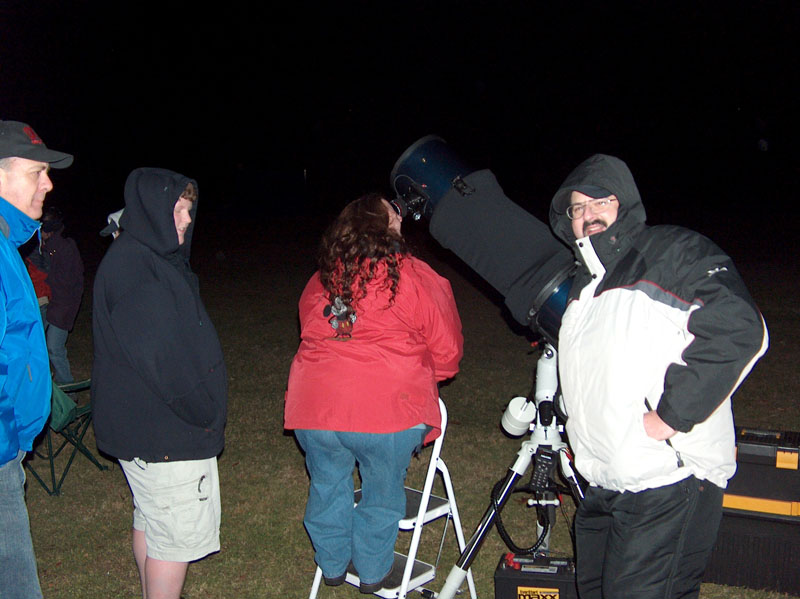
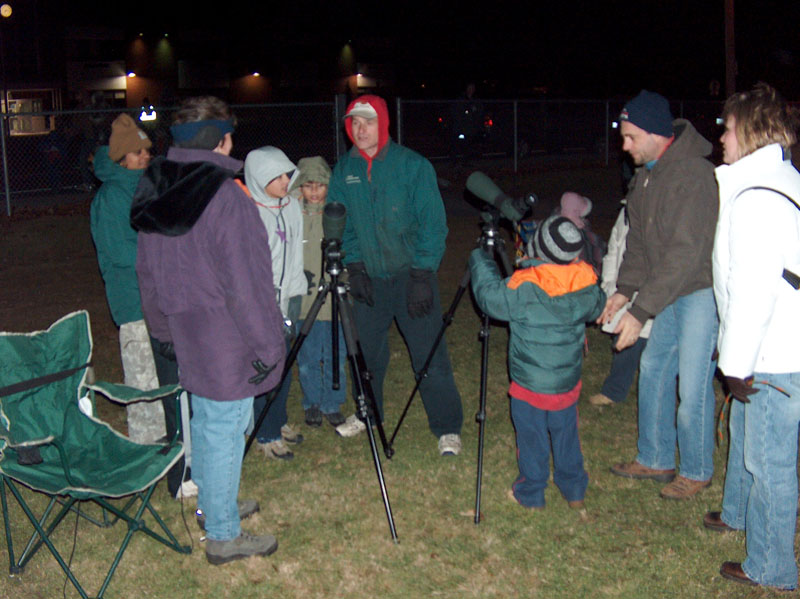
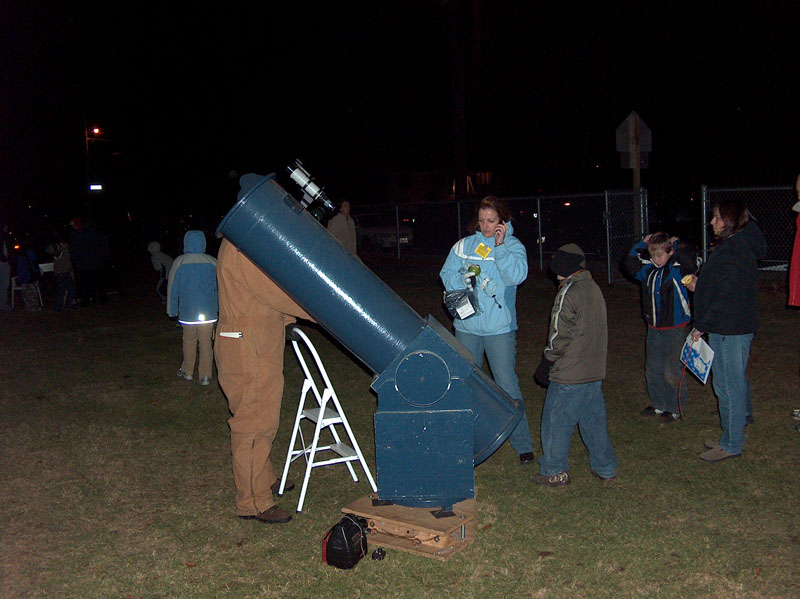
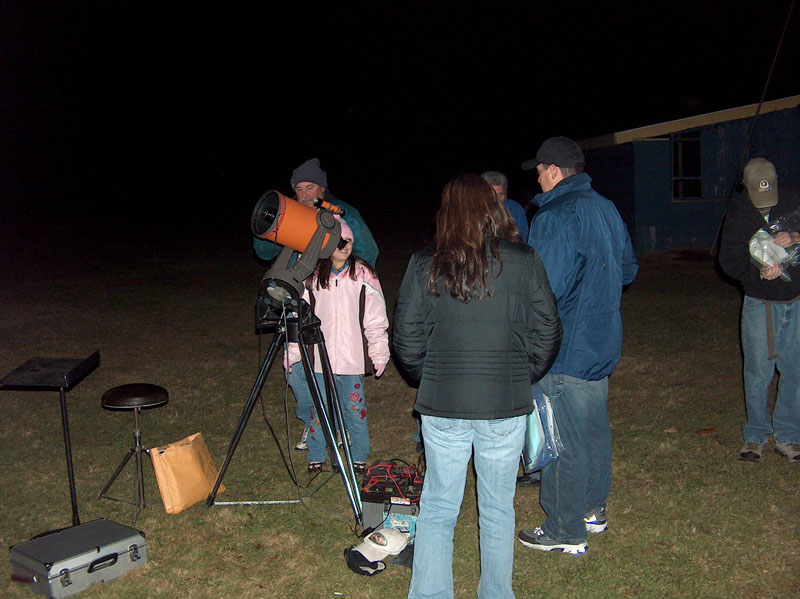
  • Callahan School Star Party
  • Callahan School Star Party
  • Callahan School Star Party
  • Callahan School Star Party
  • Callahan School Star Party
  • Callahan School Star Party
  • Callahan School Star Party
  • Callahan School Star Party
  • Callahan School Star Party
  • Callahan School Star Party
  • Callahan School Star Party
  • Callahan School Star Party
  • Callahan School Star Party
  • Callahan School Star Party
  • Frank Seagrave's Browning Spectroscope
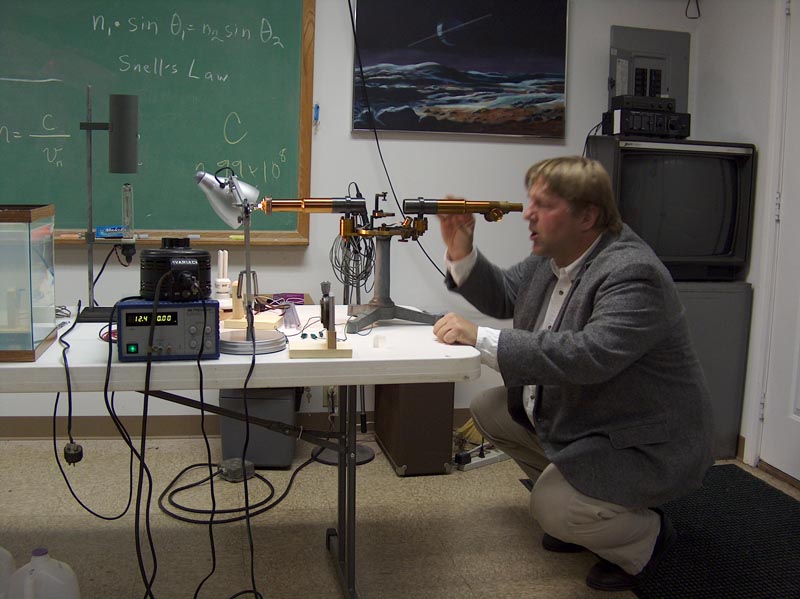
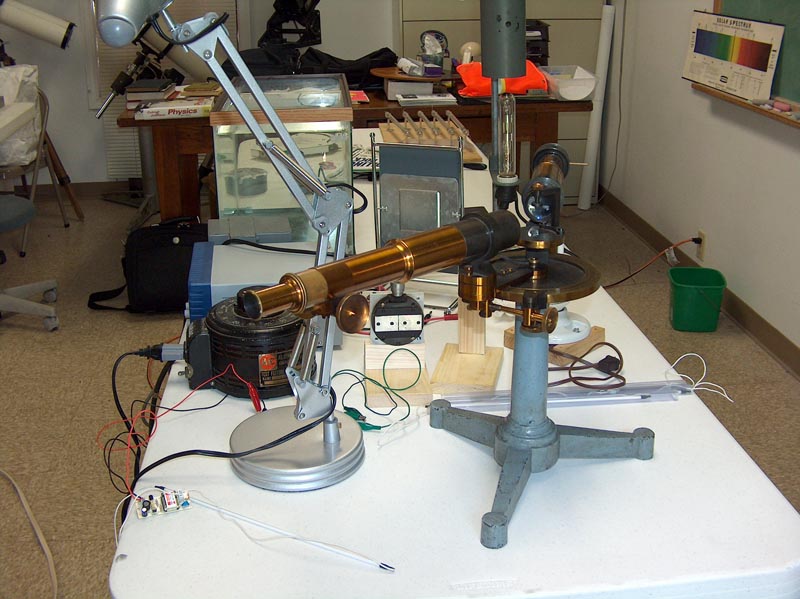
  • John Briggs Spectroscopy Demonstration
  • John Briggs set up a spectroscopy lab in the meeting hall
  • John Briggs' 5
  • John Briggs stands next to his 5
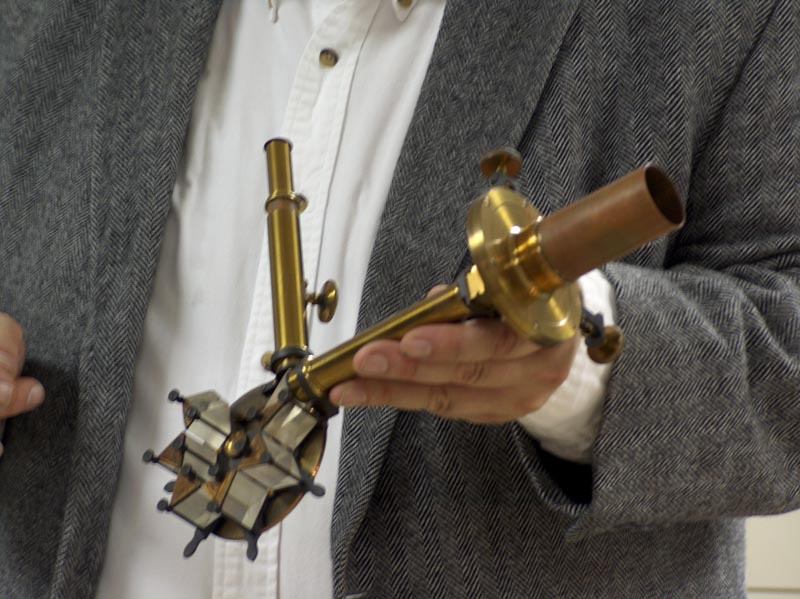
  • John Briggs shows an antique spectroscope
  • John Briggs shows an antique spectroscope used for microscopy
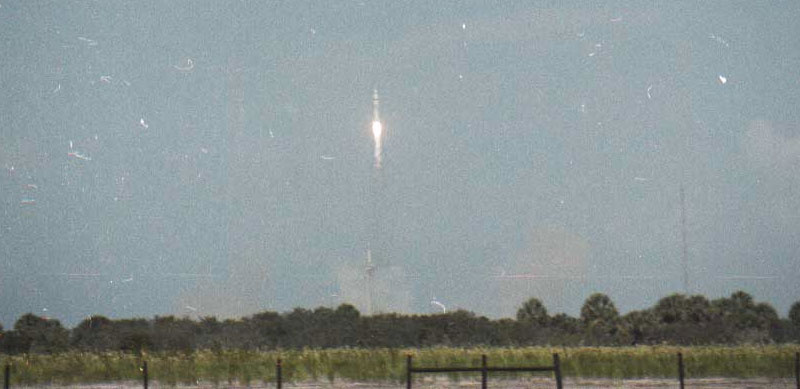
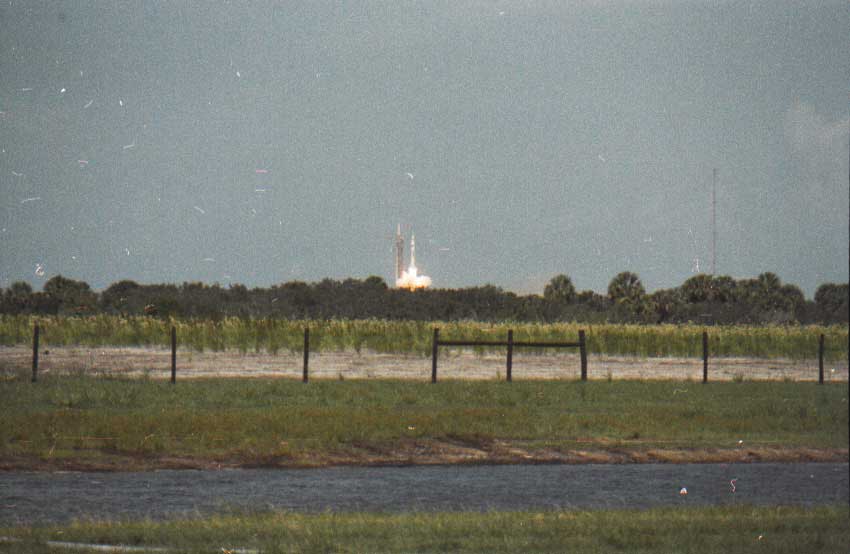
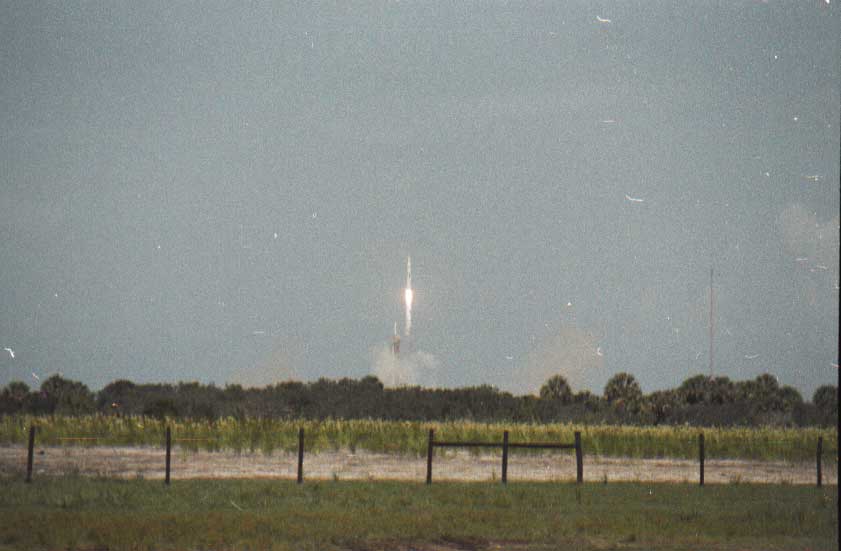
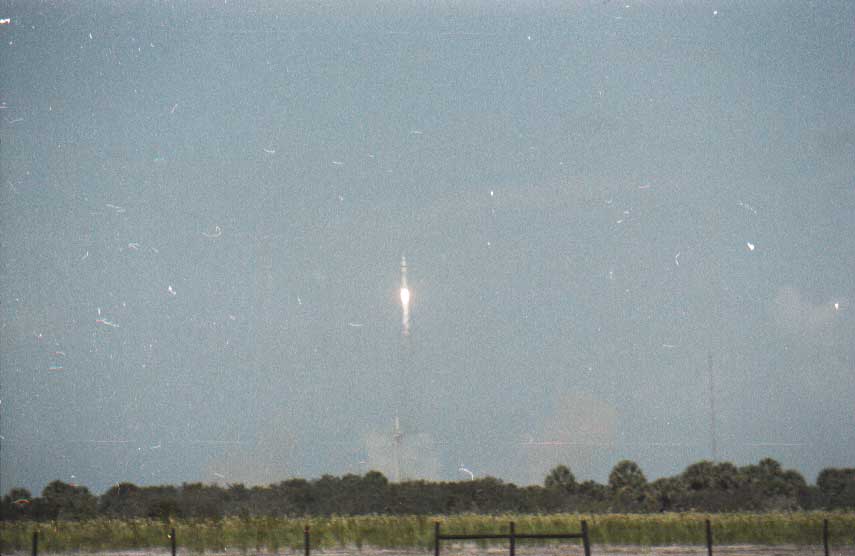
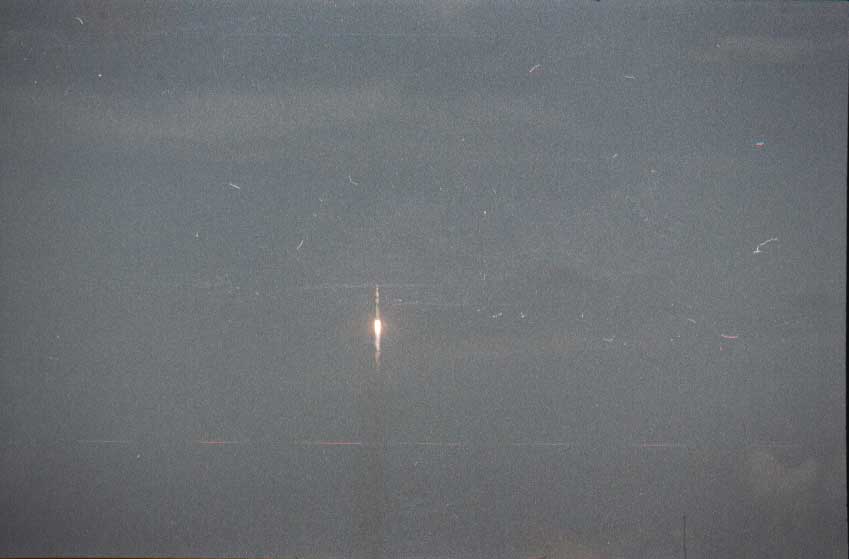
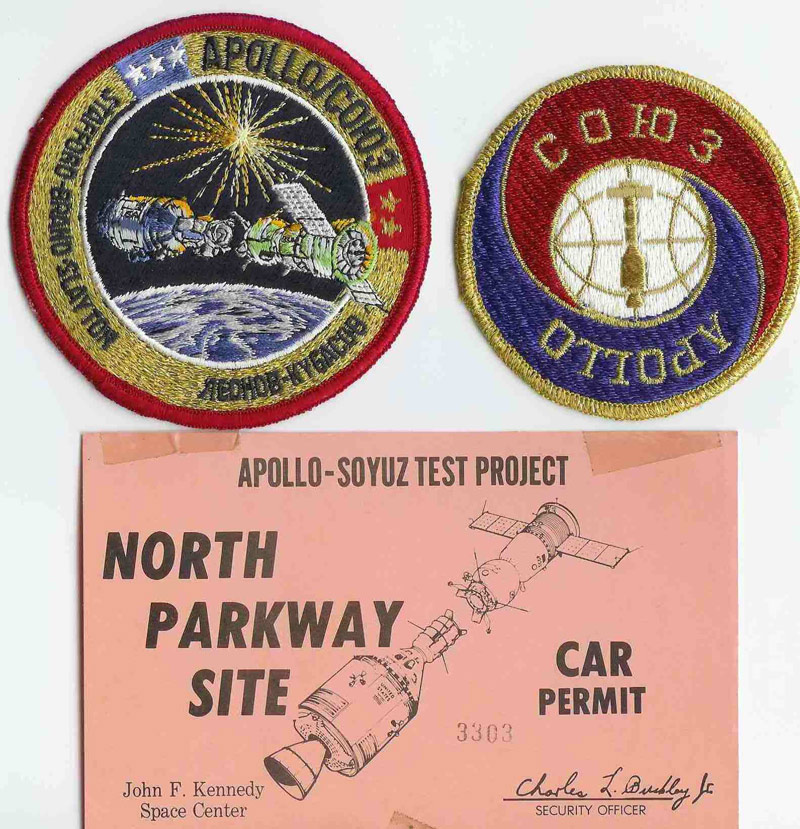
  • Apollo Soyuz launch
  • Apollo Soyuz launch
  • Apollo Soyuz launch
  • Apollo Soyuz launch
  • Apollo Soyuz launch
  • Apollo Soyuz launch
  • Apollo Soyuz launch
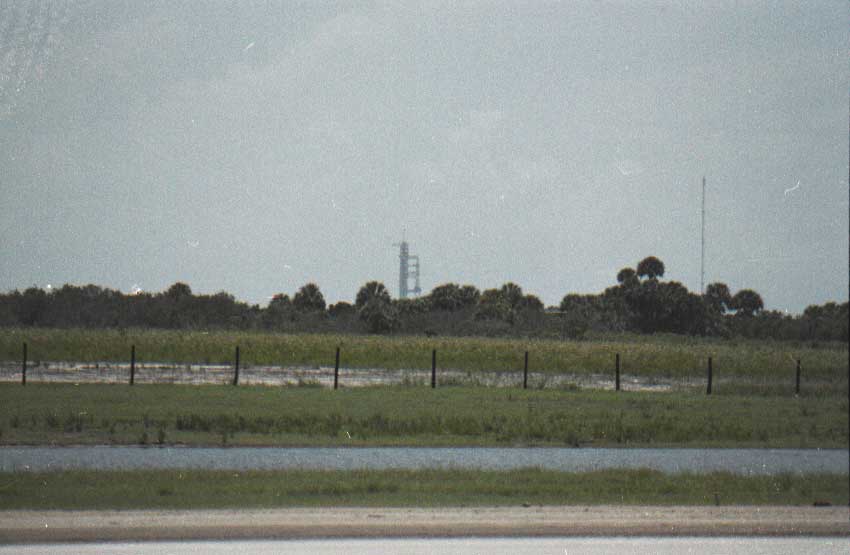
  • Cape Canaveral pass
  • Apollo Soyuz launch
  • AstroAssembly 2004
  • AstroAssembly 2004
  • AstroAssembly 2004
  • AstroAssembly 2004
  • AstroAssembly 2004
  • AstroAssembly 2004
  • AstroAssembly 2004
  • AstroAssembly 2004
  • AstroAssembly 2004
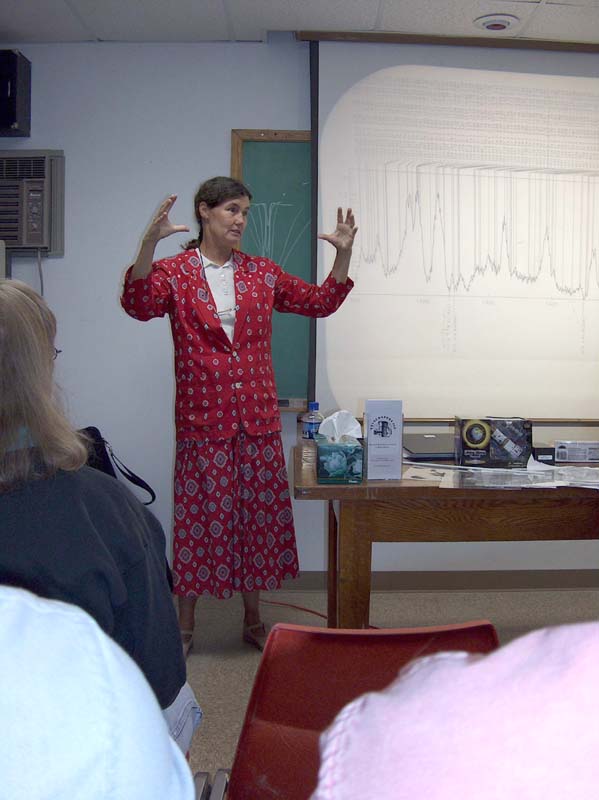
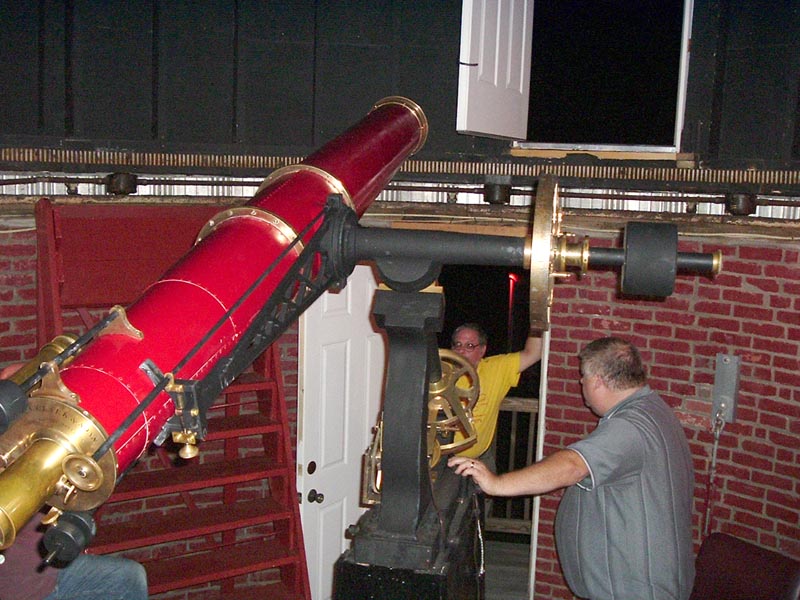
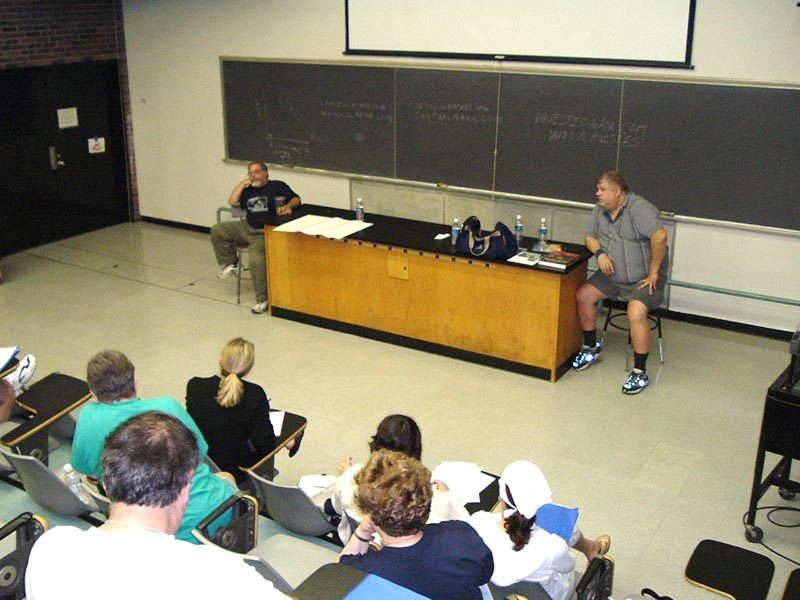
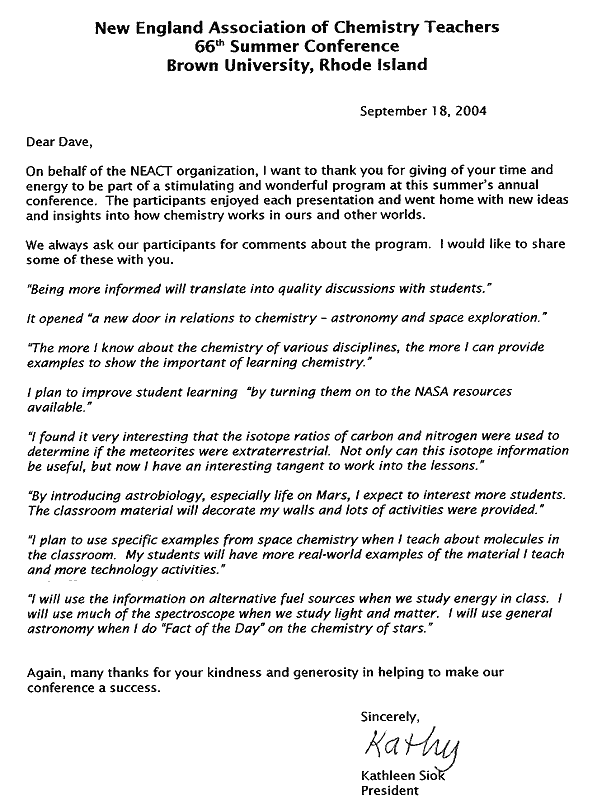
  • 66th Summer Conference of the New England Association of Chemistry Teachers
  • 66th Summer Conference of the New England Association of Chemistry Teachers
  • 66th Summer Conference of the New England Association of Chemistry Teachers
  • 66th Summer Conference of the New England Association of Chemistry Teachers
  • 66th Summer Conference of the New England Association of Chemistry Teachers
  • 66th Summer Conference of the New England Association of Chemistry Teachers
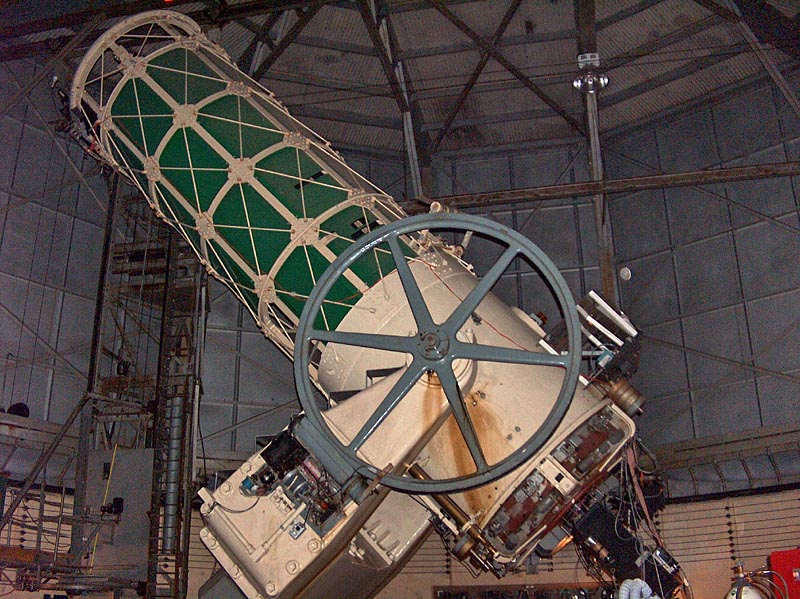
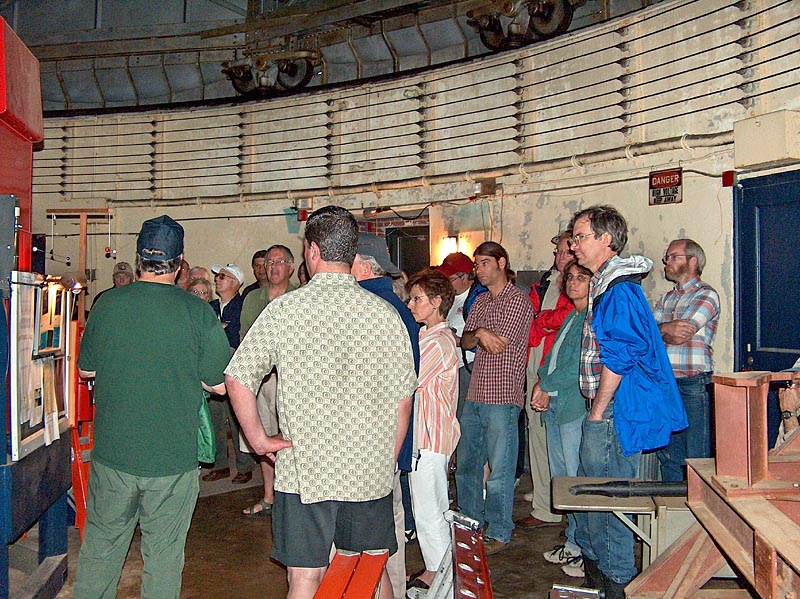
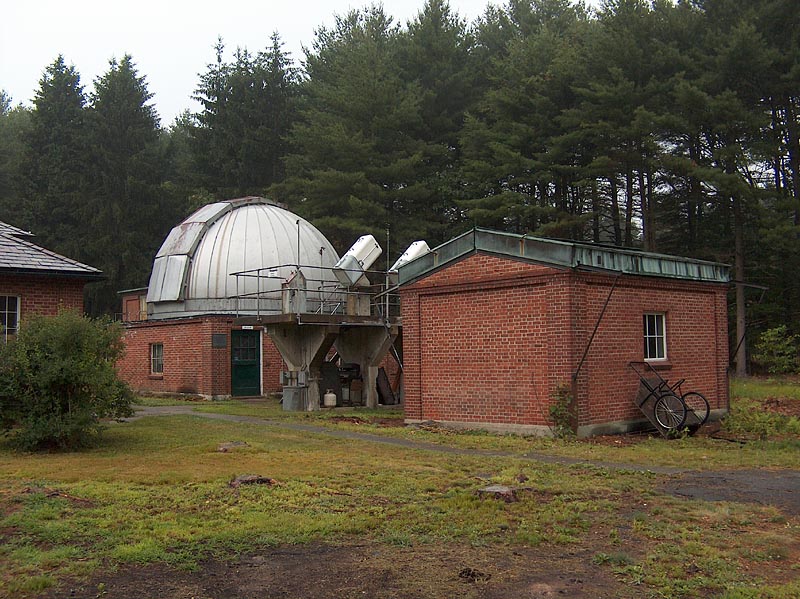
  • Oak Ridge Observatory
  • Oak Ridge Observatory
  • Oak Ridge Observatory
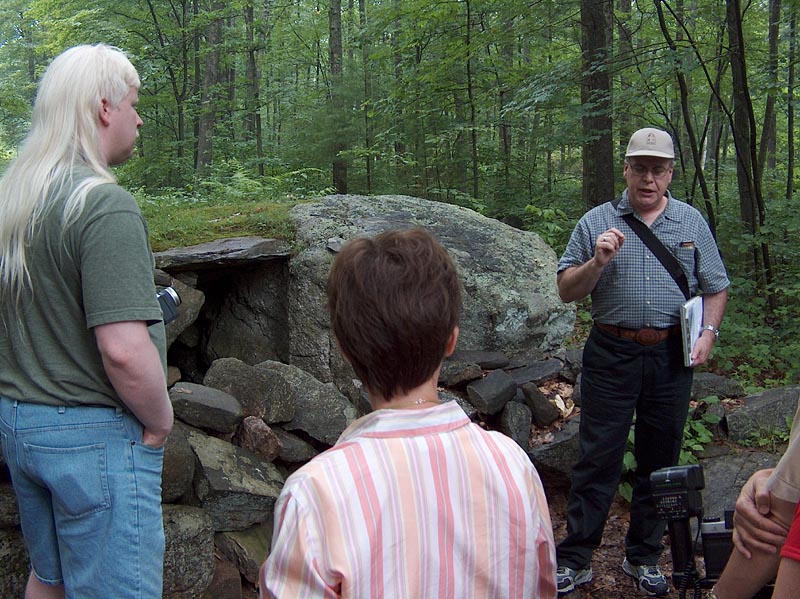
  • Rick Lynch as our tour guide at America's Stonehenge
moon

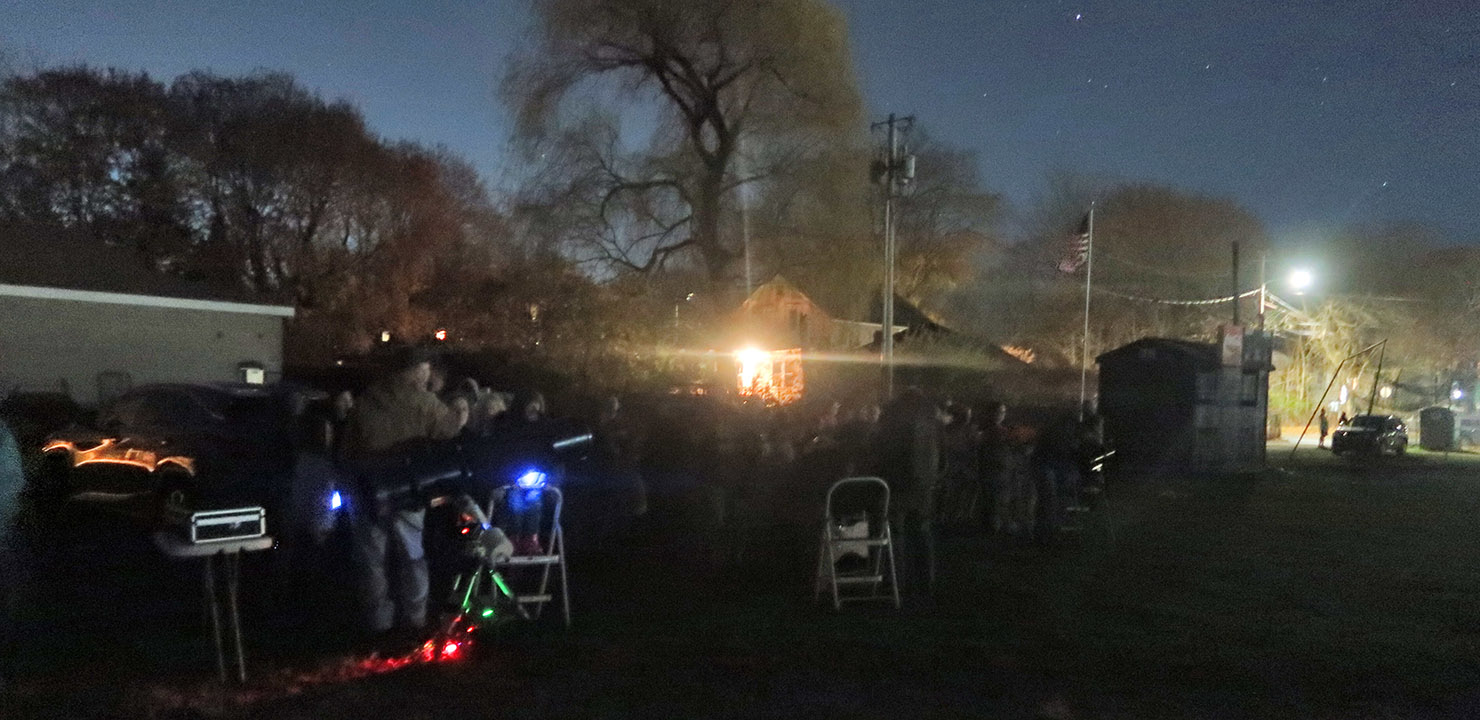
Observatory night

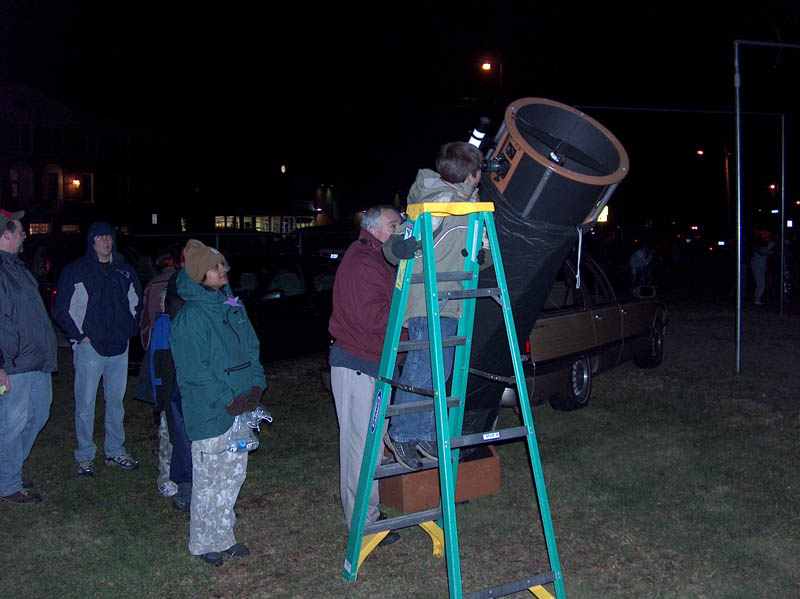
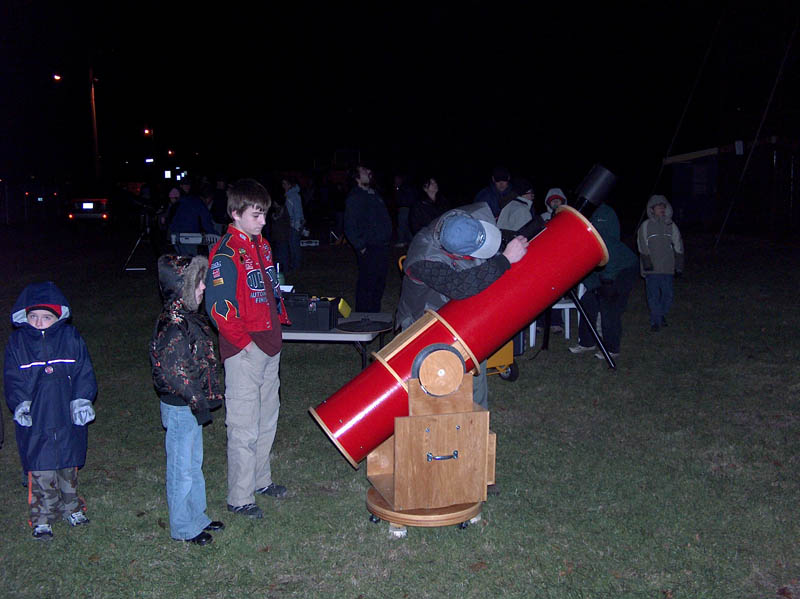
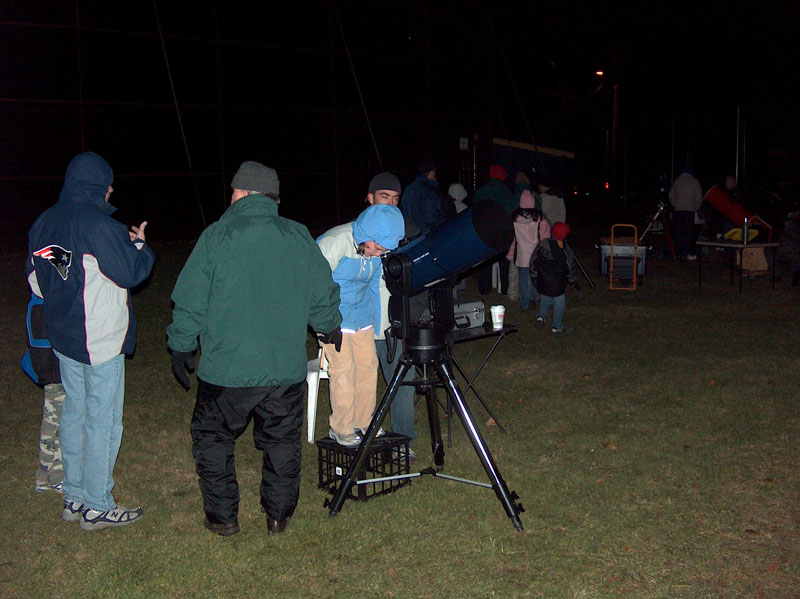
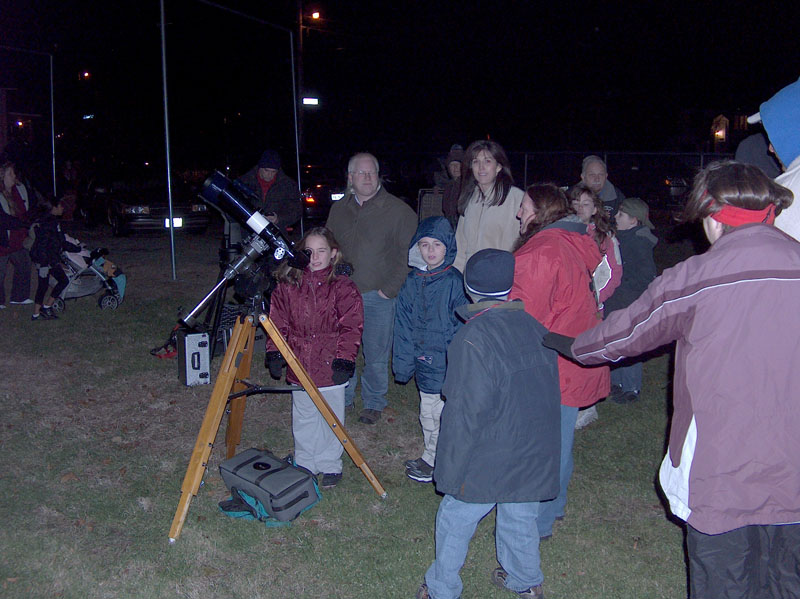
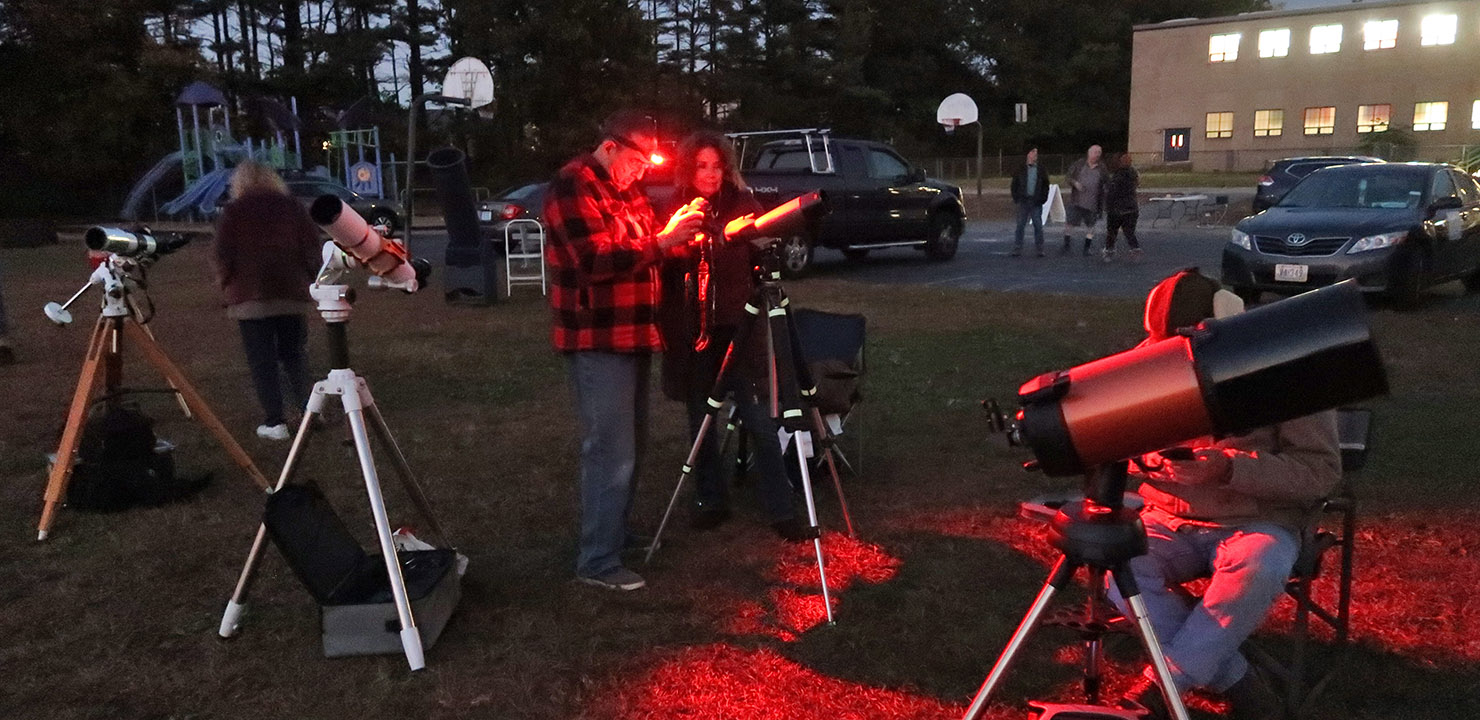
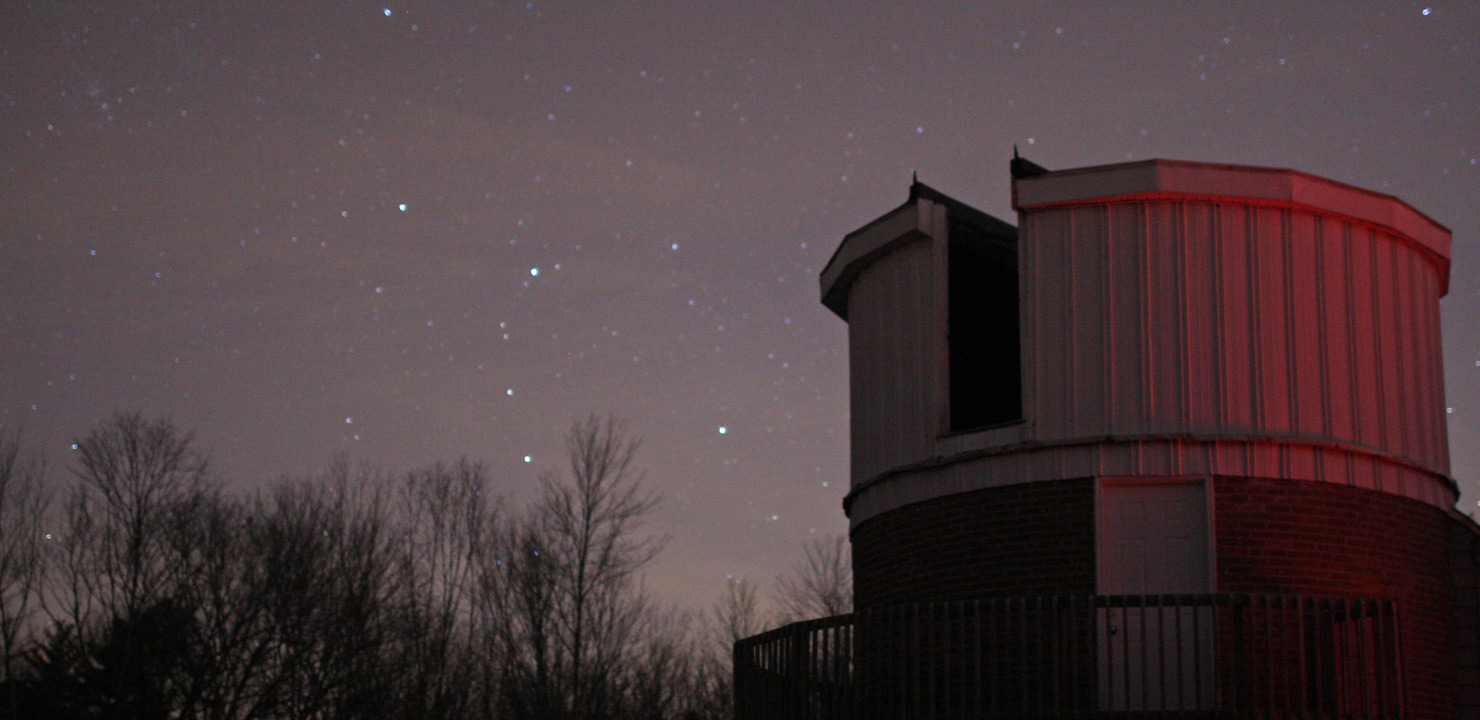
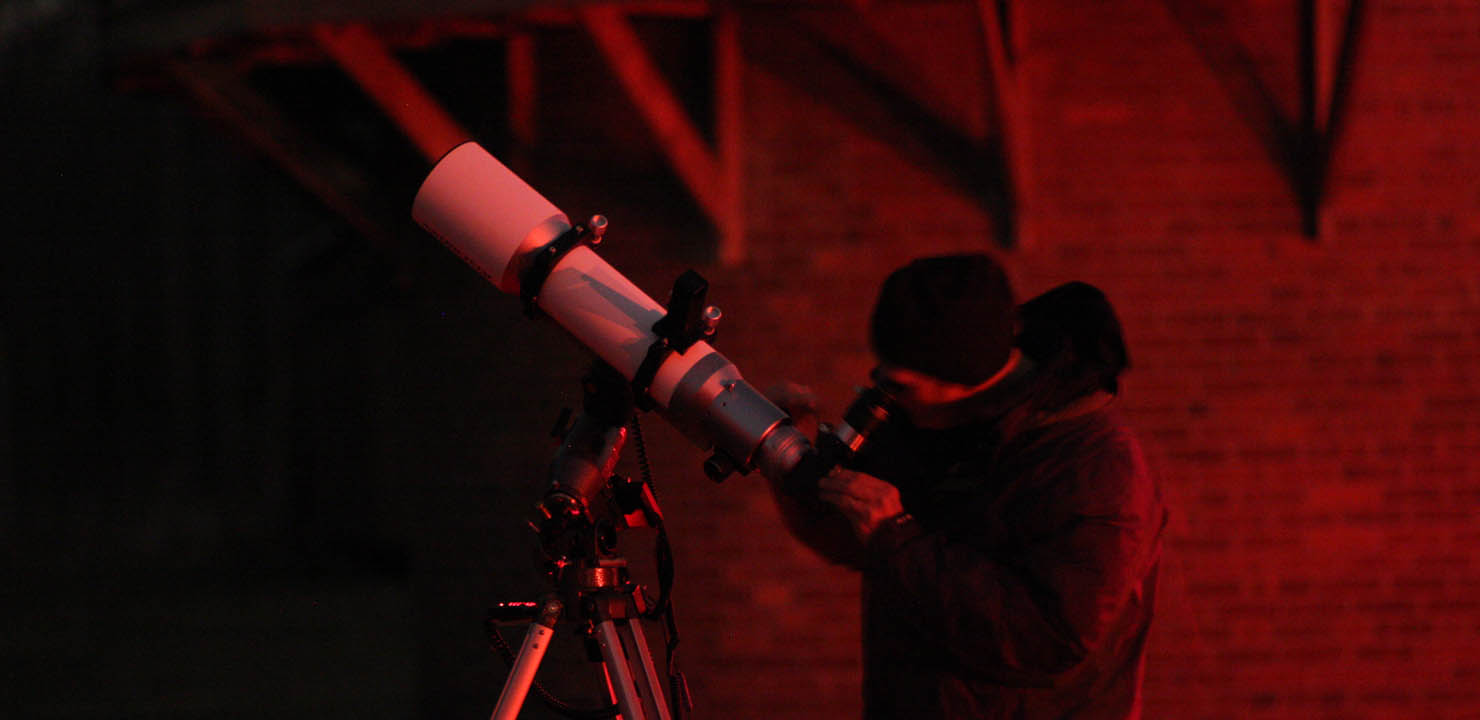
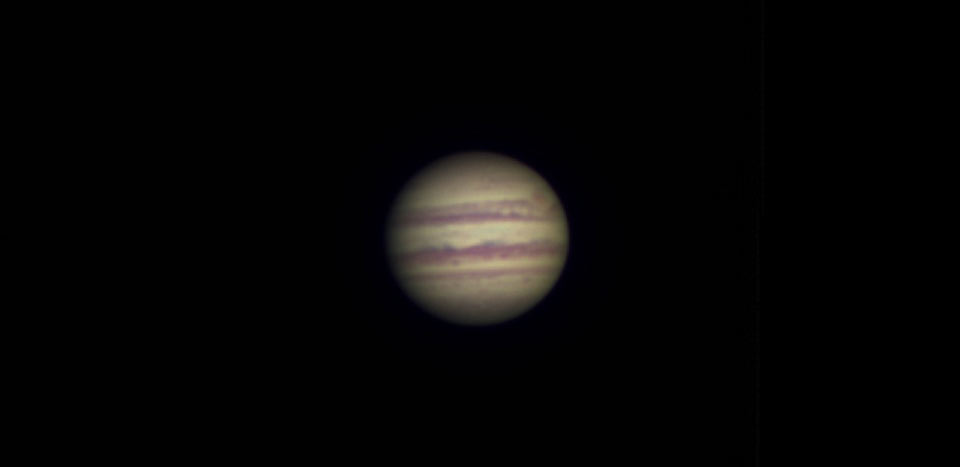
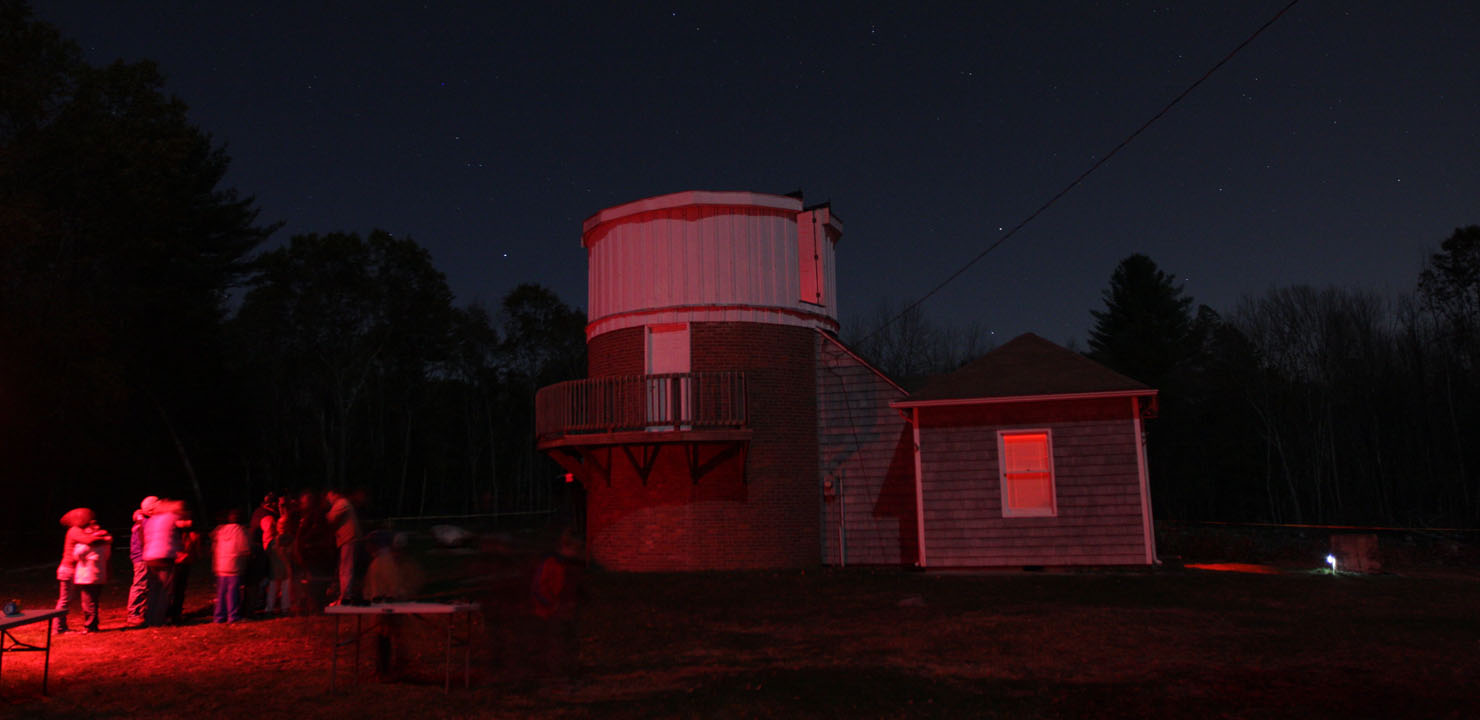
A total of 25 guests enjoyed clear skies on March 30 and viewed Jupiter, the Orion Nebula and one of the open clusters in Auriga during our two hour observing session. In the field, Bob Horton brought his homemade 4.25" reflector and Conrad had first light with his new Astro-Tech 106mm refractor.

Dave Huestis and Jim Hendrickson provided this report.